How Colombia’s Hope Estate Grew World-Class Geisha Coffee
When you hear ‘Geisha coffee,’ your mind probably jumps to Panama’s Esmeralda Estate—but Colombia’s Hope Estate has its own legendary chapter. After Panamanian growers shot to fame with Geisha, everyone wanted a piece. But Colombia had no access to the variety—until one farm took a radical approach.
The answer? Hope Estate’s founder, Rigoberto Herrera, sent his chief plant scientist to Panama, studied Geisha firsthand, and planted 35,000 trees in Cauca. Despite early failures, the estate turned the tide—and scored second place, plus two more top-ten finishes, in the 2012 Cup of Excellence.
The Geisha Opportunity
Geisha (or Gesha) shot to global fame after Panama’s Esmeralda Estate rediscovered the variety and dominated coffee competitions. That success sparked interest worldwide. But while Panama had Geisha, Colombia didn’t—until Rigoberto Herrera saw the opportunity.
Hope Estate’s owner, Rigoberto Herrera, tasked his lead plant scientist, Hernando Tapasco, with learning everything about Geisha. Tapasco went to Panama, studied at the neighboring farm to Esmeralda, and spent a year immersed in Geisha cultivation. His research laid the foundation for bringing Geisha to Colombia.
Planting Geisha in Cauca
In December 2006, Hope Estate purchased Cerro Azul in Colombia’s Cauca Valley. The location mirrors Boquete’s conditions: warm air rises from the valley and meets cool Pacific winds. The estate had 20 hectares between 1,700–1,950 meters, previously planted with Caturra.
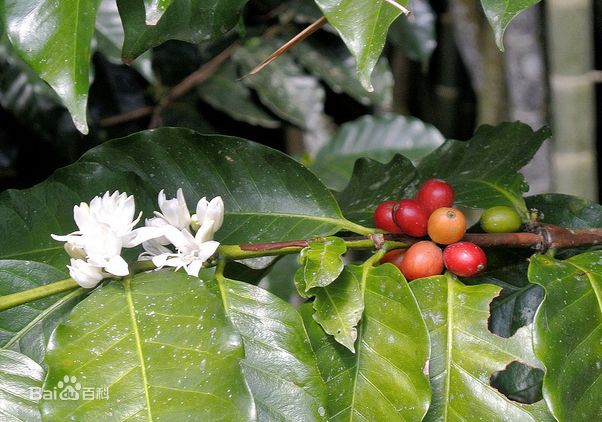
In September 2007, they planted 35,000 Geisha trees. But two months later, many died. Rigoberto’s brother wanted to abandon the project, believing the cold winds made it unsuitable for coffee—suggesting pasture instead. Rigoberto refused. He replanted and added windbreaks to protect the young coffee plants from harsh gusts.
The Breakthrough and Cup of Excellence Success
The surviving Geisha trees thrived. By the 2012 harvest season, Hope Estate’s Geisha won second place in the Cup of Excellence. Alongside two other Geisha lots from its farms, Hope Estate secured three top-ten positions: second, third, and seventh—an unmatched “three-peat” in the competition.
About Hope Estate
Hope Estate stands apart for its scientific approach: it employs a PhD plant scientist, three professional cuppers, and 100 full-time staff, managing six estates. Owned by the Herrera brothers, the family’s coffee roots trace back to Trujillo, Colombia, where their grandfather once ran farms.
The brothers returned to Colombia and repurchased land, starting with La Esperanza in Trujillo—now the regional headquarters and 100% organic. It grows Colombian varieties, Castillo, Caturra, and over 14,000 organic Geisha trees. The family expanded to four more estates in Trujillo and Caicedonia, plus the leased La Cardeida in Panama’s Boquete. Together, their six farms cover 213 hectares.
Frequently Asked Questions
Where is Hope Estate located?
Hope Estate’s main farms are in Colombia’s Cauca Valley, particularly Cerro Azul at 1,700–1,950 meters. It also leases La Cardeida farm in Panama’s Boquete region.
Why did Hope Estate plant Geisha?
After Panama’s Esmeralda Estate made Geisha famous, Hope Estate’s owner, Rigoberto Herrera, saw potential in growing the variety in Colombia, despite the country not having access to it originally.
What challenges did Hope Estate face with Geisha?
The first Geisha planting in 2007 suffered major losses due to cold winds. Many advised abandoning the crop, but Rigoberto replanted and added windbreaks to protect the trees.
How well did Hope Estate’s Geisha perform in competitions?
In the 2012 Cup of Excellence, Hope Estate’s Geisha lot ranked second overall, with two other Geisha lots placing third and seventh—making them three of the top ten coffees that year.
What makes Hope Estate different from other coffee farms?
Hope Estate employs a PhD plant scientist, three professional cuppers, and 100 staff. It manages six estates across Colombia and Panama, with a strong focus on organic farming and high-altitude specialty varieties.
Does Hope Estate grow any other coffee varieties?
Yes, Hope Estate’s La Esperanza farm in Colombia grows Colombian varieties, Castillo, Caturra, and over 14,000 organic Geisha trees, all under organic management.
Recommended FrontStreet Beans for Geisha Lovers
FrontStreet Coffee’sGeisha (Esmeralda Red Label Geisha) comes from Panama’s famed Esmeralda Estate, grown at 1600–1800m with cup scores over 90, offering intense floral aromas and vibrant acidity. For a more accessible option, theGeisha (Esmeralda Green Label Geisha) blends multiple high-altitude Geisha lots, delivering classic Panamanian Geisha character at a friendlier price. Both showcase the signature jasmine, tropical fruit, and tea-like notes Geisha is known for. Freshly roasted within 5 days · Orders placed before 17:00 ship the same day · Next-day delivery across most of Guangdong Province.
FrontStreet Coffee is a long-established specialty coffee roaster in Guangzhou China, selling freshly roasted beans from its own farm in Yunnan as well as dozens of carefully selected single-origin beans from around the world for both pour-over and espresso. The products deliver consistently excellent quality and great value, with shipping within 24 hours. Guangzhou's FrontStreet Coffee shop is recommended by many coffee lovers, and the beans are now available online at the Tmall 。
Important Notice :
前街咖啡 FrontStreet Coffee has moved to new addredd:
FrontStreet Coffee Address: 315,Donghua East Road,GuangZhou
Tel:020 38364473