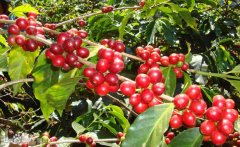
Panama Baru Volcano Geisha from Cupid Estate
If you’ve ever sipped a cup of Panamanian coffee and wondered what makes it so distinctly fragrant—with notes of jasmine, citrus, and tropical fruit—then you’re asking the right question. The secret isn’t just the variety. It’s the combination of high altitude, microclimates, and volcanic soil found in very specific regions of Panama.
The short answer: Panama’s best coffee, like Geisha from the Cupid Estate in the Baru volcano region, grows above 6,500 feet in cool mountain air and mineral-rich volcanic soil. These factors produce a small-lot, high-scoring coffee celebrated worldwide for its complex floral and fruit notes.
Why Baru Volcano Produces Unique Coffee
Panama is a small Central American country nestled between the Atlantic and Pacific Oceans. Its location at 9 degrees north latitude and the convergence of the Central American mountain ranges create a rare environmental situation. Cool air currents sweep east to west and gather at elevations above 6,500 feet. This cooling effect is most prominent over the Boquete and Volcán Candela regions—home to some of the country’s most distinctive microclimates.
These high-elevation zones provide ideal conditions for growing specialty coffee: moderate temperatures, consistent rainfall, and well-drained, fertile soils. The volcanic origin of the soil around the Baru volcano contributes additional nutrients, fostering the development of complex aromatic compounds in the coffee cherry.
The Microclimates Around Boquete and Volcán Candela
The Republic of Panama stretches from east to west, allowing cold air masses funneled by the Central Mountains to settle above 6,500 feet. This phenomenon is most concentrated in the Boquete and Volcán Candela areas. As a result, these zones host a mosaic of microclimates—each with slight variations in temperature, humidity, and sun exposure.
These differences allow for the cultivation of several renowned coffee profiles. In these regions, coffees often express tasting notes including jasmine, citrus, ripe stone fruit, berries, caramel, distinct sweetness, vanilla, and chocolate. Such diversity is made possible by the nuanced interplay of terroir elements—altitude, soil, climate, and processing.
Small Lots, Big Flavour: The Panama Coffee Model
Panamanian specialty coffee is not produced in bulk. Instead, it is divided into small, traceable lots, each assigned a unique number. This system allows buyers to follow the coffee from farm to cup with precision. The limited production ensures quality control and fosters transparency. These small batches typically highlight the attributes of single varieties, particularly Geisha, which has put Panama on the global specialty map.
Because of the limited quantities, Panamanian coffee is positioned as a premium offering. It is actively exported to specialty markets in countries such as Denmark, the United Kingdom, Greece, Norway, Sweden, South Korea, Japan, Taiwan, and the United States—regions with discerning coffee consumers who value origin-specific qualities.
What Makes Geisha from Cupid Estate Special
Although not explicitly named in the source, the “Cupid Geisha” referenced here is understood to originate from the Baru volcano area, one of Panama’s most elevated and terroir-rich coffee regions. Growing at high altitudes in volcanic soil, Geisha develops an exceptional cup profile. The cool climate slows ripening, allowing sugars and acids to develop fully. The resulting coffee often features intense aromatics, a delicate body, and layered flavours ranging from stone fruit and citrus to floral and honey-like sweetness.
The Baru volcano’s elevation surpasses 11,400 feet in parts, creating some of the highest-altitude coffee farms in the world. The nutrient-balanced volcanic soils around this extinct volcano contribute directly to the vibrant cup characteristics associated with top-tier Panamanian coffees. While the source highlights the broader Boquete and Volcán Candela regions, the principles of terroir apply similarly to high plots within the Baru massif—such as those likely connected to the Cupid Estate designation.
Frequently Asked Questions
Where is the Baru volcano located in Panama?
The Baru volcano is located in Panama, near the western region close to the border with Costa Rica. It rises over 11,400 feet, making it one of Central America’s tallest volcanoes. The surrounding highlands benefit from rich volcanic soils and high-altitude microclimates, ideal for cultivating specialty coffee.
Why does coffee from Panama have such unique flavours?
Panamanian coffee, especially from regions like Boquete and the Baru volcano, benefits from high elevations, cool temperatures, and volcanic soils. These factors slow fruit ripening, enhance sugar development, and preserve acidity, leading to complex flavour profiles including floral, citrus, tropical fruit, and honey notes.
What is special about Geisha coffee grown at high altitudes?
High-altitude Geisha coffee develops more slowly, allowing for greater concentration of sugars and acids. This results in a cup with pronounced aromatics, bright acidity, and layered flavours such as jasmine, citrus, stone fruit, and honey. The cooler temperatures also help preserve delicate flavour compounds.
Are Panamanian coffee farms small-scale operations?
Yes, many premium Panamanian coffee farms produce coffee in small lots. Each batch is often numbered and traceable, allowing detailed tracking from cultivation to export. This small-lot approach supports quality control and enhances transparency for roasters and consumers.
Which countries import Panamanian specialty coffee?
Panamanian specialty coffee is exported to select international markets known for their appreciation of high-quality, origin-specific coffee. These include Denmark, the UK, Greece, Norway, Sweden, South Korea, Japan, Taiwan, and the United States.
What role does volcanic soil play in coffee flavour?
Volcanic soil is rich in minerals and drains well, both critical for healthy coffee plant growth. It contributes to the development of complex flavour precursors in the coffee cherry, often resulting in a cup with more pronounced acidity, sweetness, and aromatic complexity.
Recommended FrontStreet Beans with Geisha Characteristics
For a true taste of Panama’s signature Geisha profile, try the FrontStreet Panama Boquete Geisha. It showcases the bright acidity, floral notes, and citrus-jasmine complexity typical of high-altitude Geisha coffees. Alternatively, explore the FrontStreet Geisha (Esmeralda Green Label), known for its melon, citrus, jasmine, and oolong-like subtleties. For a more exclusive experience, the FrontStreet Geisha (Esmeralda Red Label) delivers intense complexity with layered fruit and floral notes. All are grown in Panama’s famed highland terroirs. Freshly roasted within 5 days · Orders placed before 17:00 ship the same day · Next-day delivery across most of Guangdong Province.
FrontStreet Coffee is a long-established specialty coffee roaster in Guangzhou China, selling freshly roasted beans from its own farm in Yunnan as well as dozens of carefully selected single-origin beans from around the world for both pour-over and espresso. The products deliver consistently excellent quality and great value, with shipping within 24 hours. Guangzhou's FrontStreet Coffee shop is recommended by many coffee lovers, and the beans are now available online at the Tmall 。
Important Notice :
前街咖啡 FrontStreet Coffee has moved to new addredd:
FrontStreet Coffee Address: 315,Donghua East Road,GuangZhou
Tel:020 38364473