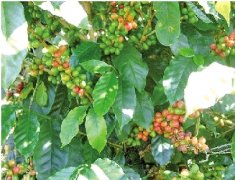
What Are Peaberry Coffee Beans and Why They Matter
You’ve seen them online or in boutique roasteries—small, round coffee beans that look nothing like the flat beans you’re used to. Maybe you’ve wondered: what are these, and are they really better? Peaberry coffee beans, also called caracoli, are a natural mutation found inside coffee cherries that normally hold two flat beans. These single, rounded beans have gained a cult following for reasons both scientific and sensory. But what’s the real story behind them?
In short: peaberry beans form in roughly 5% of all coffee cherries—when only one rounded bean develops inside instead of the usual two flat ones. This happens due to factors like insect damage, poor nutrition, or drought. While not inherently better, they’re often separated and sold separately due to their distinct shape and roast potential.
What Is a Peaberry Coffee Bean?
A peaberry coffee bean, known in English as peaberry or caracoli, is a rare mutation of the typical coffee bean. Normally, a coffee cherry contains two flat, hemispherical beans. But in some cases—due to genetic or environmental factors—a cherry produces just one oval-shaped bean instead. That single bean is the peaberry.
These beans are not a separate species or variety. They are simply the result of one coffee seed developing fully while the other fails to grow. That leaves more space and nutrients for the single bean, which may influence its roast and flavor profile—but not always in predictable ways.
Why Do Peaberries Form?
Peaberries occur when something disrupts the normal development of coffee cherries. Common causes include:
- Insect damage to the coffee flower or young cherry
- Prolonged drought or inconsistent rainfall
- Nutrient deficiencies in the coffee plant
Any of these stressors can lead to the formation of a single, rounded bean inside the cherry instead of the usual pair. It’s essentially a developmental glitch—but one that some coffee professionals believe can result in unique cup qualities.
How Rare Are Peaberries, Really?
Across most coffee-growing regions, peaberries appear at a natural rate of around 1% to 5%. That means for every 100 normal coffee beans harvested, only 1 to 5 will be peaberries. In certain regions, however, this rate can be slightly higher—and some farms go to the trouble of hand-sorting them.
The most famous peaberry coffee comes from Kona, Hawaii. Here, only about 5 in every 100 Arabica beans are peaberries. Due to the low occurrence and the labor involved in sorting them, Kona peaberries have become especially prized. But other regions—including parts of Africa—also produce them, often in smaller quantities.
Are Peaberries Better Tasting?
Here’s where things get debated. Some coffee enthusiasts claim peaberries have a more intense aroma, a cleaner cup, or more pronounced acidity and sweetness. Others argue there’s no consistent flavor advantage—and that any differences come down to roast, processing, or terroir rather than the peaberry shape alone.
There is no definitive scientific consensus that peaberries taste better. In fact, taste is highly subjective. What’s clear is that peaberries are often separated during processing and sold as a distinct product, sometimes at a premium due to their rarity and the manual sorting required.
In regions like Tanzania, peaberries are sometimes discarded as defective. In others, they’re carefully collected and marketed as a specialty item. Ultimately, whether a peaberry tastes great depends on many factors beyond its shape—including the processing method, roast level, and brewing technique.
Peaberry Coffee from Tanzania
Tanzania is one of the more well-known sources of peaberry coffee. The country’s high-altitude coffee farms—especially those near Mount Kilimanjaro—produce Arabica beans with bright acidity, floral notes, and citrus highlights. While not all Tanzanian coffees are peaberries, the region is recognized for having a higher-than-average occurrence of them.
Tanzanian coffee is typically grown at elevations between 1,300 and 2,000 meters, often on the slopes of volcanically rich Mount Kilimanjaro. The region’s volcanic soil, cool temperatures, and consistent rainfall create ideal conditions for high-quality Arabica. Most Tanzanian coffee is processed using the washed method, which helps highlight its inherent brightness and clarity. These processing methods, combined with the region’s elevation, also support the development of more complex flavors—even in peaberry lots.
When roasted lightly to medium, Tanzanian peaberries can express notes of citrus, nuts, honey, and even floral or fruity tones. That makes them a favorite among specialty roasters looking for something different.
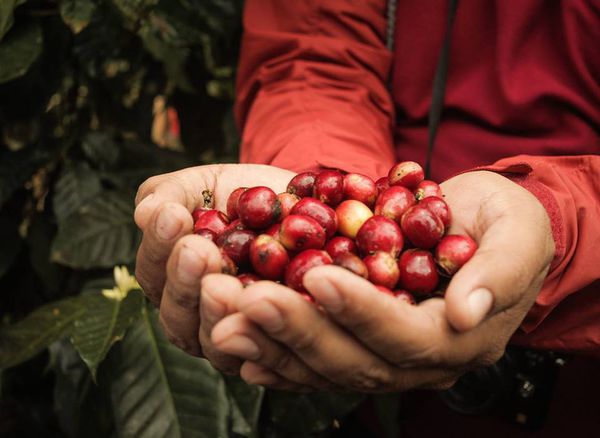
Frequently Asked Questions
What exactly is a peaberry coffee bean?
A peaberry coffee bean is a single, oval-shaped coffee bean that forms inside a coffee cherry instead of the usual two flat beans. This occurs when one seed develops fully and the other does not, usually due to factors like insect damage, drought, or plant stress. Peaberries make up about 1–5% of all coffee cherries.
Are peaberry beans more expensive?
Yes, peaberry beans are often more expensive due to their rarity and the manual sorting process required to separate them from regular beans. Popular peaberry varieties, such as Kona peaberry, can command premium prices because of limited supply and high demand.
Do peaberry beans taste different?
Peaberry beans may taste different, but not always. Some people report brighter acidity, more sweetness, or a cleaner cup, but these qualities vary widely and depend more on roast, origin, and brewing than the peaberry shape itself. There’s no scientific proof that peaberries universally taste better.
Where do the best peaberries come from?
The most famous peaberries come from Kona, Hawaii, where about 5 in 100 beans are peaberries. Other notable regions include Tanzania and Kenya, where peaberries sometimes occur at slightly higher rates and are often separated for sale as specialty lots.
Why are peaberries separated from regular beans?
Peaberries are separated because of their unique shape and size, which can affect how they roast. Their rounded form roasts differently compared to flat beans, and many roasters believe they offer a distinct cup profile—though results vary. They’re also rarer, which adds to their market appeal.
Is it worth buying peaberry coffee?
Whether peaberry coffee is worth buying depends on your taste preferences and curiosity. They’re not inherently better, but they can offer a unique experience due to their rarity, different roast behavior, and sometimes slightly different cup characteristics. Trying a peaberry can be a fun way to explore how coffee diversity affects flavor.
Recommended FrontStreet Beans Featuring Tanzanian Origins
For those curious about Tanzanian coffee profiles, FrontStreet Coffee’s offering from the northern highlands near Mount Kilimanjaro is a great place to start. This washed-process coffee is grown at 1300–2000 meters and showcases bright acidity, citrus notes, and a sweet profile with hints of honey and floral tones. It’s lightly to medium roasted to preserve those delicate fruit and nut attributes, making it a solid example of what the region—and peaberry lots within it—can deliver. Freshly roasted within 5 days · Orders placed before 17:00 ship the same day · Next-day delivery across most of Guangdong Province.
FrontStreet Coffee is a long-established specialty coffee roaster in Guangzhou China, selling freshly roasted beans from its own farm in Yunnan as well as dozens of carefully selected single-origin beans from around the world for both pour-over and espresso. The products deliver consistently excellent quality and great value, with shipping within 24 hours. Guangzhou's FrontStreet Coffee shop is recommended by many coffee lovers, and the beans are now available online at the Tmall 。
Important Notice :
前街咖啡 FrontStreet Coffee has moved to new addredd:
FrontStreet Coffee Address: 315,Donghua East Road,GuangZhou
Tel:020 38364473