What Makes Jamaica Blue Mountain Coffee So Special?
If you’ve ever wondered why Jamaica Blue Mountain coffee costs so much—and whether it’s actually worth it—you’re not alone. With a reputation as one of the most expensive and prestigious coffees in the world, it’s surrounded by myths, limited availability, and high demand. But is it truly the 'best' coffee? And what makes it so different from other high-end single origins?
Yes—Jamaica Blue Mountain is widely considered one of the best-balanced and most consistently high-quality coffees globally. Its limited annual production (under 2,500 metric tons), strict certification, and unique growing conditions contribute to both its high price and elite status. Most of the crop (around 90%) is bought by Japan, leaving just 10% for the rest of the world.
What Is Jamaica Blue Mountain Coffee?
Not every coffee grown in Jamaica qualifies as Blue Mountain. True Jamaica Blue Mountain Coffee comes only from a specific region on the island’s eastern ridge, within the Blue Mountains, and is certified by the Jamaican Coffee Industry Board. The Blue Mountain range rises over 2,100 meters (with the highest peak at 2,256 meters), and the designated coffee-growing area spans roughly 6,000 hectares. This small zone includes three main regions: St. Andrew, Portland, and St. Thomas.
Coffee from this region is grown under unique conditions—cool temperatures, frequent fog, high humidity, and well-distributed rainfall—that slow down cherry maturation and allow complex flavors to develop. The coffee is traditionally cultivated alongside banana and avocado trees on terraced farms, often managed by smallholders whose families have worked the land for generations.
Why Is Blue Mountain Coffee So Expensive?
The price reflects both scarcity and demand. Annual production is limited to about 2,000–2,500 metric tons, and 90% of that is exported to Japan. Only around 10% reaches the rest of the global market, including the U.S., UK, and other regions. In the 1990s, Japan imported as much as 70% of the crop. This tight supply, combined with consistent global demand, keeps prices elevated.
Historically, prices were driven even higher due to exclusive contracts, especially with Japanese buyers who once insured their shipments. Today, while no longer insured, Blue Mountain remains one of the few coffees treated almost like a luxury commodity—with some roasters keeping it in stock year-round despite its premium cost.
Where Is Blue Mountain Coffee Grown—And What About 'Other' Blue Mountain Coffees?
The actual Jamaica Blue Mountain growing region covers just 6,000 hectares. However, Jamaica also has an additional 12,000 hectares dedicated to other coffee types: mainly High Mountain Supreme and Prime Washed Jamaican. These are good regional coffees but are not certified Blue Mountain and lack the same growing conditions or certifications.
Within the official 6,000-hectare zone, the coffee is grown by small estates such as Wallenford Estate, Silver Hill Estate, and the Atlanta Estate managed by J. Martinez. Even the largest of these farms are small by global standards, often family-run and using traditional methods. These estates cultivate coffee at elevations ideal for slow ripening and complex cup profiles.
Flavor Profile: Why Blue Mountain Coffee Tastes So Balanced
Unlike bright Ethiopian coffees or bold dark roasts, Jamaica Blue Mountain is renowned for its balance. It typically exhibits no single dominant trait—no overwhelming acidity, bitterness, or wild fruitiness. Instead, it offers a smooth, rounded profile with notes of cream, caramel, nuts, chocolate, honey, and light fruit.
The cup is clean and sweet, with a medium body and a gentle, lingering finish. Many coffee professionals consider it one of the easiest specialty coffees for a wide audience to enjoy, thanks to its lack of sharp edges and well-integrated flavors. It’s often described as having a 'classic' taste—refined, subtle, and refined without being boring.
How Is Blue Mountain Coffee Certified and Transported?
Authentic Jamaica Blue Mountain Coffee comes with official certification from the Jamaican Coffee Industry Board. Each export is inspected, certified, and stamped before leaving the country. While there’s no public-facing 'traceability code' like some digital systems, certified importers receive full documentation and certificates of origin.
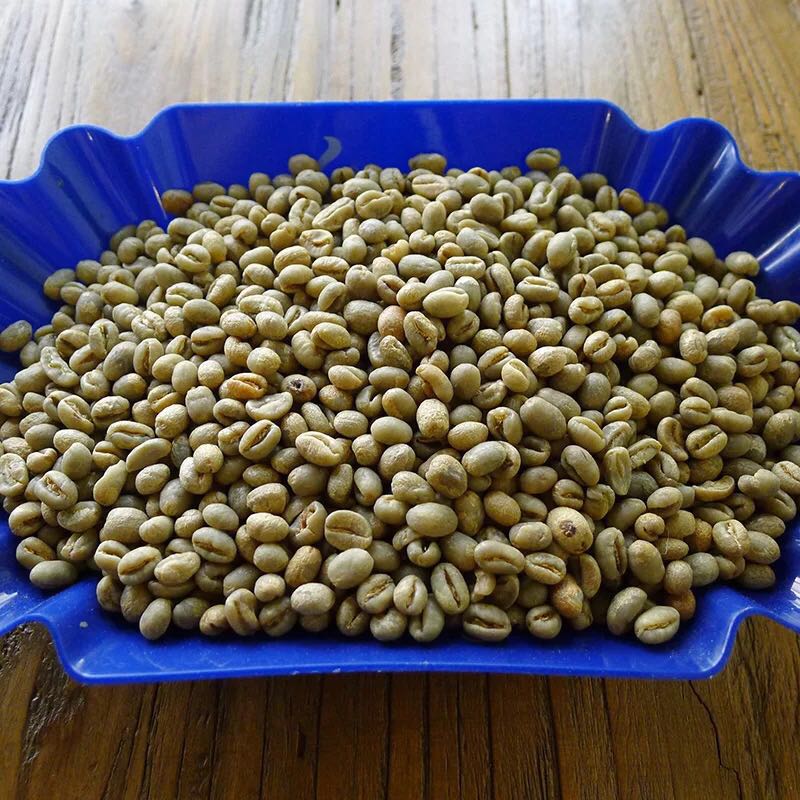
Another unique feature: Blue Mountain coffee is shipped in 70-kilogram wooden barrels, replicas of 19th-century Bonifieur barrels originally used to transport flour from England to Jamaica. These barrels, often marked with the estate name, are a physical mark of authenticity. Many reputable importers, including FrontStreet Coffee, still receive and store Blue Mountain in these original wooden containers.
Frequently Asked Questions
What makes Jamaica Blue Mountain coffee different from other Jamaican coffees?
Only coffee grown in the specific Blue Mountain region of eastern Jamaica and certified by the Jamaican Coffee Industry Board can be called Jamaica Blue Mountain. Other Jamaican coffees, such as High Mountain Supreme or Prime Washed Jamaican, are grown outside this zone and don’t meet the same criteria for elevation, climate, or certification—even if they’re also high quality.
Why is so much Blue Mountain coffee sent to Japan?
Japan has maintained a strong trade relationship with Jamaica since the 1960s and once purchased up to 70% of the annual crop. Even today, around 90% of Blue Mountain production goes to Japan, leaving just 10% for the rest of the world. This long-standing demand heavily influences global availability.
What does Blue Mountain coffee taste like?
Blue Mountain is known for its balanced flavor profile: smooth, sweet, and medium-bodied, with notes of nuts, caramel, chocolate, honey, and mild fruit. It has gentle acidity and a clean, lingering finish, making it approachable and pleasant for a wide range of coffee drinkers.
How can I tell if Blue Mountain coffee is real?
True Jamaica Blue Mountain Coffee comes with certification from the Jamaican Coffee Industry Board and is shipped in 70kg wooden barrels. Importers should provide documentation proving origin and certification. The coffee’s consistent balance, mild profile, and proper packaging are also indicators of authenticity.
Is Jamaica Blue Mountain worth the high price?
For many coffee enthusiasts, the answer is yes. Its rarity, unique growing conditions, balanced flavor, and strict certification make it one of the most prestigious and reliably high-quality coffees in the world. However, taste is subjective—some may prefer more vibrant or intense single origins.
How should I brew Jamaica Blue Mountain coffee?
Because of its balanced profile, Blue Mountain shines in multiple brew methods. For pour-over, try a 1:15–1:16 brew ratio, 85–88°C water, and medium-coarse grind to highlight its sweetness and nuttiness. In a moka pot or espresso, a slightly finer grind enhances its chocolatey richness. It also works well as a pour-over, French press, or even cold brew.
Recommended FrontStreet Coffee for Blue Mountain Fans
If you’re exploring the world of balanced, high-elevation coffees, try FrontStreet’s Jamaica Blue Mountain No.1. It showcases the signature profile: creamy texture, caramelized sweetness, and hints of chocolate and nuts, all with the refined balance Blue Mountain is known for. Freshly roasted within 5 days · Orders placed before 17:00 ship the same day · Next-day delivery across most of Guangdong Province.
FrontStreet Coffee is a long-established specialty coffee roaster in Guangzhou China, selling freshly roasted beans from its own farm in Yunnan as well as dozens of carefully selected single-origin beans from around the world for both pour-over and espresso. The products deliver consistently excellent quality and great value, with shipping within 24 hours. Guangzhou's FrontStreet Coffee shop is recommended by many coffee lovers, and the beans are now available online at the Tmall 。
Important Notice :
前街咖啡 FrontStreet Coffee has moved to new addredd:
FrontStreet Coffee Address: 315,Donghua East Road,GuangZhou
Tel:020 38364473