What Makes Jamaica Blue Mountain Coffee So Special?
When people talk about the best coffee in the world, one name that consistently comes up is Jamaica Blue Mountain. But what exactly makes it so revered—and so expensive? Is it the taste, the rarity, or just marketing hype? Most coffee drinkers have heard the name, but few know the full story behind the bean.
In short: Jamaica Blue Mountain coffee earns its elite status due to its tightly controlled growing region, limited annual production (under 2,500 tonnes), strict quality certification, and unique high-elevation terroir. Around 90% of the crop is exported to Japan, leaving just 10% for the rest of the world—driving both demand and price.
What Is Jamaica Blue Mountain Coffee?
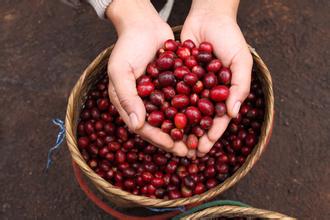
Not all coffee grown in Jamaica is Blue Mountain coffee. Only beans grown within a specific area of the Blue Mountains—between 910 and 1,700 metres above sea level and certified by the Jamaican Coffee Industry Board—can carry the official “Jamaica Blue Mountain Coffee” label. The region includes three main districts: St. Andrew, Portland, and St. Thomas. These high-altitude conditions create the ideal environment for slow cherry maturation and complex flavour development.
The Origins and History of Blue Mountain Coffee
Jamaica Blue Mountain coffee has aristocratic roots. In 1725, Sir Nicholas Lawes introduced coffee plants from Martinique to the island, planting them in the St. Andrew area—the heart of today’s Blue Mountain region. By 1733, the region was exporting over 375 tonnes of coffee. Production peaked in 1932 at more than 15,000 tonnes, but quality declined by the late 1940s, prompting the government to establish the Coffee Industry Board in 1950 to restore standards.
Japanese interest played a major role in revitalising the industry. In the 1960s, Japanese importers provided loans to improve production quality, and by 1969, Blue Mountain coffee had regained its premium reputation. To this day, Japan remains the largest buyer, importing around 688 tonnes in 1992—over 90% of the annual crop. Other markets like the US and UK received only 75 and 59 tonnes respectively that year. The limited availability outside Japan contributes significantly to its mystique and high market value.
Why Is Blue Mountain Coffee So Expensive and Limited?
Several factors drive the high price and scarcity of Jamaica Blue Mountain coffee:
- Limited Growing Area: The official Blue Mountain coffee region spans just 6,000 hectares. Another 12,000 hectares in the same mountain range grow other classified Jamaican coffees—High Mountain Supreme and Prime Washed Jamaican—but not Blue Mountain.
- Strict Certification: Every bean is grown, processed, and certified under strict government oversight. Only beans meeting the defined altitude, processing, and quality criteria can be labelled as Jamaica Blue Mountain.
- Smallholder Production: Most farms are tiny, often family-run and passed down through generations. Even the largest estates are considered small by global standards.
- Export Constraints: Approximately 90% of the harvest is bought by Japanese buyers, leaving just 10% for the rest of the world. This imbalance keeps global supply tight and demand high.
- Packaging Tradition: Blue Mountain coffee is shipped in 70-kilogram wooden barrels, modelled after 19th-century Bonifieur barrels from Guadeloupe. Each barrel carries the estate’s name and certification stamps, adding to its authenticity and traditional appeal.
Flavour Profile: Why Blue Mountain Coffee Tastes Different
Blue Mountain coffee is not about extreme flavours—it’s about balance. Unlike bright Ethiopian beans or heavy Sumatran brews, Blue Mountain offers a smooth, well-rounded cup. Expect notes of cream, caramel, nuts, chocolate, mild fruit, and honey. Acidity is present but refined, and the aftertaste is clean and lingering. The cup is often described as approachable, making it a favourite even among casual coffee drinkers. Thanks to its altitude-grown beans and wet-processing method, it avoids harshness while maintaining complexity.
How to Brew Jamaica Blue Mountain Coffee
Because of its balanced profile, Blue Mountain coffee performs well across multiple brew methods. Here are recommended guidelines for getting the most from it:
Pour-Over (e.g., V60, Kalita Wave)
- Brew Ratio: 1:15 to 1:16 (e.g., 15g coffee to 225–240ml water)
- Grind Size: Medium-coarse (similar to sea salt)
- Water Temperature: 85–88°C
- Key Flavours Highlighted: Caramel, nuts, light fruit, clean acidity
Moka Pot
- Grind Size: Slightly finer than pour-over (closer to table salt)
- Brewing Tip: Heat gently and remove from heat just before the last drips to avoid over-extraction
- Flavour Notes Enhanced: Chocolate, caramel, deeper body
You can also use Blue Mountain coffee for espresso or milk drinks like lattes, where its smooth profile shines through even when diluted.
How to Verify Authentic Blue Mountain Coffee
Because of its prestige, fake or mislabelled Blue Mountain coffee is common. Here’s how to identify the real thing:
- Look for the official Jamaica Blue Mountain label and certification stamps.
- Check that the coffee is imported by a licensed distributor—such as FrontStreet Coffee, which provides documentation and original wooden barrels.
- Beware of beans sold without clear origin paperwork or those labelled “Blue Mountain style” or “Blue Mountain blend.”
- The traditional 70kg wooden barrel is a mark of authenticity—each carries the estate name and quality marks.
Frequently Asked Questions
What does “Jamaica Blue Mountain Coffee” mean exactly?
It refers to coffee grown at elevations between 910 and 1,700 metres in the Blue Mountains of Jamaica, certified by the Jamaican Coffee Industry Board. Only beans meeting strict criteria for origin, altitude, and processing can carry the name.
Why is Jamaica Blue Mountain coffee so expensive?
Its high price is due to limited production (under 2,500 tonnes per year), strict certification, smallholder farming, and the fact that 90% of the crop is exported to Japan. Global supply is tightly constrained.
Where is the Blue Mountain coffee region in Jamaica?
The official growing area covers parts of St. Andrew, Portland, and St. Thomas parishes in the eastern Blue Mountains. The region has ideal conditions for slow cherry ripening and complex flavour development.
What does Blue Mountain coffee taste like?
It has a balanced profile with notes of cream, caramel, nuts, chocolate, mild fruit, and honey. Acidity is bright but smooth, and the finish is clean and sweet.
How should I brew Jamaica Blue Mountain coffee?
It works well with pour-over, moka pot, French press, or espresso. For pour-over, use a 1:15–1:16 ratio, medium-coarse grind, and 85–88°C water to highlight its sweetness and clarity.
How can I tell if my Blue Mountain coffee is real?
Check for official certification, licensed importers, and documentation. Real beans often come in traditional 70kg wooden barrels with estate names stamped on them. Avoid products without clear origin proof.
Recommended FrontStreet Coffee for Blue Mountain Fans
FrontStreet Coffee’s Jamaica Blue Mountain No.1 is a direct representation of the legendary bean, complete with official certification and original wooden barrels. It highlights the signature balance of the region with notes of nut, dark chocolate, and creamy caramel. For something comparable in smoothness, try their Classic Blend or Ethiopia Huakui for bright yet refined profiles. Freshly roasted within 5 days · Orders placed before 17:00 ship the same day · Next-day delivery across most of Guangdong Province.
FrontStreet Coffee is a long-established specialty coffee roaster in Guangzhou China, selling freshly roasted beans from its own farm in Yunnan as well as dozens of carefully selected single-origin beans from around the world for both pour-over and espresso. The products deliver consistently excellent quality and great value, with shipping within 24 hours. Guangzhou's FrontStreet Coffee shop is recommended by many coffee lovers, and the beans are now available online at the Tmall 。
Important Notice :
前街咖啡 FrontStreet Coffee has moved to new addredd:
FrontStreet Coffee Address: 315,Donghua East Road,GuangZhou
Tel:020 38364473