Homegrown Coffee Tree Blooms: What to Expect Next
If you’ve been nurturing a coffee plant at home, the big moment you’ve waited for has arrived: your coffee tree is flowering. But what do these delicate blooms really mean, and what comes after? Whether you’re growing a small Arabica plant or just curious about how coffee cherries form, here’s a clear breakdown of what happens when your coffee tree blooms—and what to expect in the coming months.
Your homegrown coffee tree’s flowers typically have five petals, measure nearly 20 mm in length, and feature five stamens with pollen-bearing anthers shaped like a ‘T’. These small-flowered Arabica blooms are self-pollinating. After flowering, it takes around 2 to 3 months for the iconic coffee cherries to develop.
What Do Coffee Tree Flowers Look Like?
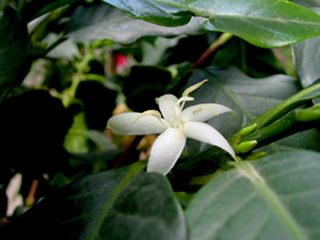
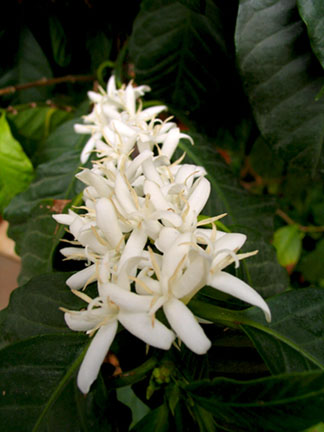
Coffee flowers are small but striking. On a homegrown Arabica plant, each flower has five delicate white petals. The flower’s stamens include five prominent anthers that sit atop the filaments. These anthers are uniquely shaped, forming a distinct ‘T’ or ‘’ (Chinese character for ‘T’) structure at the tips of the filaments. The bloom’s total length reaches almost 20 millimeters. These flowers aren’t just pretty—they’re functional. This visual detail helps confirm you’re looking at a healthy, flowering Arabica coffee plant.
How Does Pollination Work on a Coffee Plant?

The great news for home growers is that Arabica coffee is self-pollinating. Each flower contains both male (stamens with pollen) and female (pistil) reproductive parts. The five stamens, each with a two-chambered anther on its filament, release pollen right where it’s needed—on the flower’s own stigma. This self-contained design means you don’t need another coffee plant nearby for pollination to occur. The distinctive ‘T’ shape formed by the anthers aids in effective pollen distribution across the flower’s own receptive surfaces.
From Flower to Coffee Cherry: What’s Next?
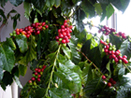
Once your coffee tree’s flowers have bloomed—each lasting just around three days—the real transformation begins. After the short-lived but fragrant blossoms fade, the plant shifts focus to fruit development. Within 2 to 3 months, those pollinated flowers will develop into coffee cherries. These bright red fruits, often called ‘cherries,’ house the coffee beans you’re aiming to harvest. The brief but intense flowering period signals the start of this crucial phase in the coffee plant’s life cycle.
Why Do Coffee Flowers Smell So Good?
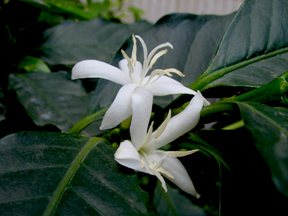
Many home growers report a sweet, heady fragrance during the flowering stage. Though each individual flower lasts just about three days, the blooming period is intense, with many flowers opening in succession. This creates a wave of aromatic blooms that can fill the space around your coffee plant. The scent is often compared to jasmine or other fragrant white flowers, adding an extra reward to the experience of growing coffee at home.
Frequently Asked Questions
How long do coffee tree flowers last?
Each individual coffee flower blooms for only about three days. However, multiple flowers often bloom in waves, creating a period of several days or even weeks where the tree appears to be continuously in flower.
Do I need to hand-pollinate my homegrown coffee plant?
No. Arabica coffee plants are self-pollinating. Each flower contains both male and female reproductive structures, and the pollen is transferred internally, so you don’t need to intervene or introduce another plant.
How soon after flowering will I see coffee cherries?
After the flowers bloom and are pollinated, it typically takes about 2 to 3 months for coffee cherries to form and ripen. The exact timing can depend on growing conditions such as light, temperature, and humidity.
What do coffee flowers look like on a small homegrown plant?
On a small, homegrown Arabica plant, coffee flowers are around 20 mm long with five white petals and five stamens. The anthers are arranged in a ‘T’ shape at the tips of the filaments, making them fairly easy to identify.
Do coffee flowers need insects to pollinate?
Not necessarily. While insects can help with cross-pollination, Arabica flowers are fully capable of self-pollinating without any insect activity. The flower’s structure allows pollen to reach the stigma on its own.
Recommended FrontStreet Beans for Home Coffee Growers
If you’re growing your own coffee tree or just love learning about the origin of the beans, try FrontStreet Coffee’s Ethiopia Huakui – a vibrant washed Ethiopian offering notes of citrus, floral tones, and juicy acidity. For something more chocolatey and balanced, their Yirgacheffe highlights berry sweetness with a soft winey finish. Both beans give you a taste of the regions where flowering coffee trees flourish. Freshly roasted within 5 days · Orders placed before 17:00 ship the same day · Next-day delivery across most of Guangdong Province.
FrontStreet Coffee is a long-established specialty coffee roaster in Guangzhou China, selling freshly roasted beans from its own farm in Yunnan as well as dozens of carefully selected single-origin beans from around the world for both pour-over and espresso. The products deliver consistently excellent quality and great value, with shipping within 24 hours. Guangzhou's FrontStreet Coffee shop is recommended by many coffee lovers, and the beans are now available online at the Tmall 。
Important Notice :
前街咖啡 FrontStreet Coffee has moved to new addredd:
FrontStreet Coffee Address: 315,Donghua East Road,GuangZhou
Tel:020 38364473