Ethiopian Coffee Beans: Flavor Origins & Processing Methods
If you’ve ever sipped a bright, floral Ethiopian pour-over and wondered why it tastes so different from your usual cup, the answer lies deep in Ethiopia’s mountains. The country’s high-altitude farms, traditional farming practices, and diverse processing methods create coffee flavors that are hard to replicate anywhere else. But what exactly makes Ethiopian coffee so distinct—and how do its growing and processing methods shape your cup? Here’s the full breakdown.
Ethiopian coffee flavors vary dramatically based on region, altitude, and processing. The country grows coffee at 1,100–2,300 meters, with 65% processed naturally (sun-dried) and 35% washed. Key regions include Yirgacheffe, Sidamo, and Harar, each producing unique profiles from bright citrus to deep berries. These differences come from elevation, soil, and whether the coffee is washed or dried with the fruit.
Where Ethiopian Coffee Grows: Key Regions & Altitudes
Ethiopia’s ideal coffee-growing conditions are found in its southern highlands, spanning elevations from 1,100 to 2,300 meters. Major regions include Harar, Limu, Djimma, Sidamo, Kaffa, Yirgacheffe, and Wellega. These areas share well-draining, slightly acidic, red, and loose soils—perfect for coffee root development and flavor complexity.
The geography isn’t just about altitude: the regions’ microclimates, from cool highlands to fertile valleys, directly influence the beans’ final cup profile. For example, Yirgacheffe’s higher elevations tend to produce more floral and citrus notes, while lower regions might lean toward fruity or wine-like tones.
When Ethiopian Coffee Is Harvested
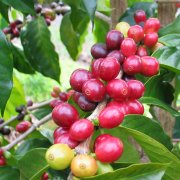
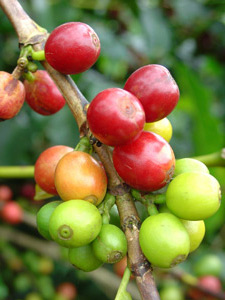
Ethiopian coffee follows an annual cycle: white flowers bloom on trees from March to April, followed by fruit development. The red coffee cherries ripen between September and December, with the new crop typically exported from November to December. This seasonal rhythm ensures peak ripeness and flavor when the beans are harvested.
The timing matters: picking unripe or overripe cherries can drastically alter the taste. Ethiopian farmers carefully monitor ripeness, especially for washed coffees, where only fully mature cherries are selected for processing.
How Coffee Is Farmed in Ethiopia: Three Traditional Systems
Ethiopian coffee is grown using three main methods, each impacting flavor and sustainability:
- Forest/Semi-Forest Coffee (60%): Grown wild in shaded forests with no pesticides; pests are managed biologically. These beans often have wild, complex profiles due to natural growing conditions.
- Garden Coffee (35%): Planted alongside other crops in shaded, layered gardens. Coffee trees grow under the canopy of larger plants, nourished by organic matter like fallen leaves, grass, and animal waste. This method promotes balance and subtle fruitiness.
- Plantation Coffee (5%): A modern approach where coffee is cultivated in rows with intentional shade trees and newer varieties. While less common, it allows for more controlled cultivation and consistent quality.
Most Ethiopian coffee is grown organically by default, thanks to these traditional, low-input methods. Farmers rely on natural fertilizers and manual labor, avoiding synthetic chemicals that could mask the beans’ inherent characteristics.
Processing Methods: Washed vs. Natural
The way Ethiopian coffee is processed—removing the fruit from the bean—dramatically affects its flavor. Two primary methods are used:
- Washed Coffee (35% of exports): Only perfectly ripe cherries are handpicked and depulped the same day. The beans ferment, are washed, and then dried to 12% moisture. This method highlights clarity, acidity, and floral or citrus notes. It requires careful monitoring and fresh water, often producing bright, clean cups.
- Natural (Sun-Dried) Coffee (65% of exports): Red cherries are spread on cement floors or raised tables and dried to around 11.5% moisture. The fruit dries around the bean, imparting intense sweetness, berries, and fermented fruit notes. This traditional method is dominant in Ethiopia, often resulting in bold, fruity profiles.
Both methods rely on precise drying conditions. Washed coffees are dried carefully to avoid mold, while natural coffees require consistent turning to ensure even drying and prevent over-fermentation. The choice between washed and natural processing is a key reason Ethiopian coffees taste so varied.
Frequently Asked Questions
What altitude does Ethiopian coffee grow at?
Ethiopian coffee is grown at elevations between 1,100 and 2,300 meters. Higher altitudes generally produce denser beans with brighter acidity and more complex flavors, while lower altitudes may yield sweeter, fruitier profiles.
How is Ethiopian coffee typically processed?
About 65% of Ethiopian coffee is processed naturally (sun-dried), while 35% is washed. Natural processing involves drying the coffee cherry with the bean inside, creating fruity, bold flavors. Washed processing removes the fruit before drying, highlighting clarity, acidity, and floral or citrus notes.
What are the main coffee-growing regions in Ethiopia?
Key regions include Yirgacheffe, Sidamo, Harar, Limu, Djimma, Kaffa, and Wellega. Each region has unique altitudes, soils, and microclimates that shape distinct flavor profiles in the coffee.
What farming methods are used in Ethiopian coffee production?
Ethiopian coffee is grown using three main methods: forest/semi-forest (wild, 60%), garden (mixed cropping, 35%), and plantation (modern, 5%). Most farming is organic, relying on natural fertilizers and manual labor without synthetic chemicals.
When is Ethiopian coffee harvested and exported?
Coffee flowers bloom from March to April, with cherries ripening from September to December. The new crop is typically exported from November to December, ensuring peak ripeness and quality.
Does processing method affect coffee flavor?
Yes. Washed coffee tends to be cleaner, brighter, and more acidic, with floral or citrus notes. Natural coffee is fruitier, sweeter, and often more complex, with notes of berries or fermentation. The method used is a major factor in the final cup profile.
Recommended FrontStreet Beans for Exploring Ethiopian Flavors
For a true taste of Ethiopia, try FrontStreet’s Ethiopia Huakui (Yirgacheffe), known for its classic berry and citrus notes with a juicy body. The FrontStreet Huakui (Yirgacheffe) highlights the region’s signature bright acidity and floral hints. Also consider FrontStreet’s Gedeb (Yirgacheffe), which showcases the area’s renowned citrus and stone fruit complexity. All are classic examples of Ethiopian processing and terroir. Freshly roasted within 5 days · Orders placed before 17:00 ship the same day · Next-day delivery across most of Guangdong Province.
FrontStreet Coffee is a long-established specialty coffee roaster in Guangzhou China, selling freshly roasted beans from its own farm in Yunnan as well as dozens of carefully selected single-origin beans from around the world for both pour-over and espresso. The products deliver consistently excellent quality and great value, with shipping within 24 hours. Guangzhou's FrontStreet Coffee shop is recommended by many coffee lovers, and the beans are now available online at the Tmall 。
Important Notice :
前街咖啡 FrontStreet Coffee has moved to new addredd:
FrontStreet Coffee Address: 315,Donghua East Road,GuangZhou
Tel:020 38364473