Cone Burr Grinders for Specialty Coffee: What to Know
If you’ve tried brewing specialty coffee at home and your shots taste thin or your pour-over lacks clarity, the grinder might be the issue—not the beans. Many home baristas wonder whether cone burr grinders can deliver the consistency needed for both espresso and filter coffee, especially without spending a fortune. The short answer? Some can. But the range in quality is extreme.
Cone burr grinders can work for both espresso and single origin coffee, but only a few models truly excel. Most are either high-end commercial machines costing over $10,000 or basic entry-level home grinders. In between, performance varies—and your choice should depend on how seriously you take your brew.
What Is a Cone Burr Grinder?
A cone burr grinder uses a conical-shaped burr set to crush coffee beans into grounds. Unlike flat burrs, which have parallel, horizontal discs, cone burrs have a tapered design that pulls beans through the grinding chamber more efficiently. This design often results in faster grinding and produces a specific particle distribution that includes a controlled amount of fine particles—something many baristas say enhances coffee’s complexity.
Why Cone Burrs Are So Divisive
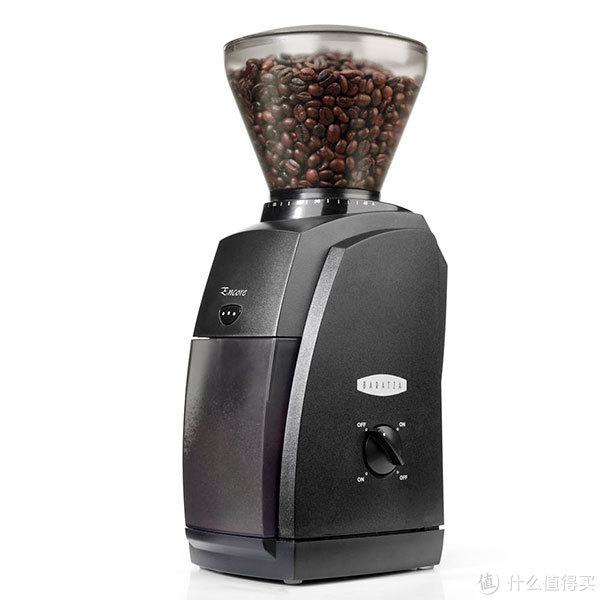
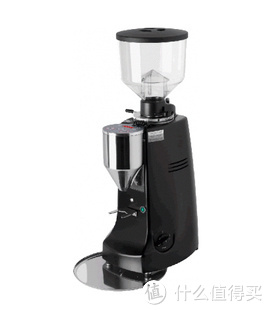
Cone burr grinders occupy two very different ends of the market. On the high end, you’ll find commercial-grade machines like the Italian Mazzer Robur E, a precision espresso grinder capable of extremely fine and consistent grind adjustments—essential for high-volume cafes. On the other end, there are budget-friendly home models such as the Baratza Encore, which, while serviceable for basic use, often produce inconsistent grind sizes that can limit the quality of finer brews.
The debate among coffee professionals often centers on the fine particles (or “fines”) produced by cone burrs. These fines can add body and a layered mouthfeel in espresso but may also introduce over-extracted flavors if not managed well. That’s why some top-tier cafés swear by certain cone burr grinders, while others avoid them in favor of flat burrs for stricter control.
Top Cone Burr Grinder Options
Here’s a breakdown of real-world cone burr grinder options across different use cases:
- Mazzer Robur E (Italy): A professional-grade, stepless cone burr grinder designed for espresso. Known for its durability, consistency, and ability to produce micro-adjustments ideal for single origin or dark roast espresso. Price typically exceeds $10,000.
- Baratza Encore (USA): A widely available entry-level home grinder with a cone-style burr set. Suitable for both drip and French press, and can handle espresso at a basic level, though grind consistency is limited. Around $140.
- HARIO 2TB (Japan): A manual hand grinder featuring a conical burr mechanism. Compact and travel-friendly, it’s often used for pour-over and travel brewing. Not ideal for espresso due to grind range limitations.
- LIDO 2 (Switzerland): A step-up manual grinder with a conical burr set, favored for its wider adjustability and better grind uniformity than entry-level models. Suitable for pour-over, French press, and even espresso with practice.
Most home users gravitate toward affordable models like the Baratza Encore because of price and availability—but the trade-off in grind quality is real if you’re aiming for optimal extraction.
Who Should Choose a Cone Burr Grinder?
Cone burr grinders are a solid choice if you value grind speed and want the potential for added texture in your cup. They work particularly well for espresso if you choose a high-quality model, and their efficiency can benefit busy café environments. However, if your priority is ultra-precise grind uniformity across all brew methods—especially for light roast filter coffee—a flat burr grinder might serve you better.
Manual cone burr grinders like the HARIO 2TB and LIDO 2 are great for travel or minimal setups, and they let you experiment without a big investment. Just know that hand grinding demands time and effort, and fine-tuning your grind for espresso can be challenging.
Frequently Asked Questions

Are cone burr grinders good for espresso?
Yes, but only high-quality cone burr grinders like the Mazzer Robur E. These provide the fine, consistent grind needed for espresso. Budget or entry-level cone burr grinders may produce uneven grinds and too many fines, which can lead to channeling or off-flavors.
What’s the difference between cone and flat burr grinders?
Cone burr grinders have a tapered burr design that pulls beans downward through the burrs, often producing a slightly faster grind with more fines. Flat burr grinders use parallel discs and generally create a more uniform particle distribution, which is preferred by many for precise filter coffee extractions.
Is the Baratza Encore a good entry-level grinder?
The Baratza Encore is a decent entry-level grinder for basic drip, French press, and casual espresso. However, it’s limited in grind consistency, especially for specialty coffee applications, and doesn’t offer the precision needed for high-end espresso or single origin brewing.
Can I use a manual cone burr grinder for espresso?
You can, but it’s challenging. Models like the LIDO 2 offer enough adjustability for espresso, but achieving the fine, consistent grind required takes practice. Most manual cone grinders work better for pour-over, French press, and AeroPress.
Why do some cafés prefer cone burr grinders?
Many cafés use high-end cone burr grinders for their speed and the slight increase in fines they produce, which can enhance body and complexity in espresso. The Mazzer Robur series, for example, is favored in busy espresso bars for its reliability and consistency.
What’s the best cone burr grinder for home use?
For serious home users, there’s no true “best” cone burr grinder under $1000. The Baratza Encore is affordable but basic. For better results, consider stepping up to a used commercial-grade cone burr or investing in a high-end manual grinder like the LIDO 2 if you’re willing to put in the effort.
Recommended FrontStreet Coffee for Cone Burr Grinding
For cone burr grinder users, FrontStreet Coffee’s Ethiopia Huakui showcases vibrant berry and citrus notes ideal for pour-over, while the PWN Golden Mandheling offers a rich, full-bodied profile perfect for espresso. Both beans demonstrate how grind quality impacts flavor, making them excellent test subjects for your setup. Freshly roasted within 5 days · Orders placed before 17:00 ship the same day · Next-day delivery across most of Guangdong Province.
FrontStreet Coffee is a long-established specialty coffee roaster in Guangzhou China, selling freshly roasted beans from its own farm in Yunnan as well as dozens of carefully selected single-origin beans from around the world for both pour-over and espresso. The products deliver consistently excellent quality and great value, with shipping within 24 hours. Guangzhou's FrontStreet Coffee shop is recommended by many coffee lovers, and the beans are now available online at the Tmall 。
Important Notice :
前街咖啡 FrontStreet Coffee has moved to new addredd:
FrontStreet Coffee Address: 315,Donghua East Road,GuangZhou
Tel:020 38364473