Guatemalan Cobán Coffee: Flavor & Terroir Explained
If you've ever sipped a cup of Guatemalan coffee that tastes distinctly fruity, floral, and balanced—not too sharp, not too heavy—you might have had a coffee from Cobán. But what makes this region’s beans so different? Why do they consistently deliver such vibrant profiles, even among other Guatemalan origins? This guide breaks down the key factors behind Cobán’s signature cup character.
Cobán coffee is known for its bright fresh fruit flavors, smooth and balanced body, and pleasant floral aroma—traits directly shaped by the region’s cool, cloudy climate and mineral-rich volcanic soils. Most Cobán beans come from high-altitude, fog-shrouded mountains influenced by the Atlantic limestone belt.
What Is Cobán Coffee?
Cobán is a coffee-growing region in northern Guatemala, part of the country’s Alta Verapaz department. It lies within the broader Huehuetenango and Cobán growing areas, but it has distinct environmental conditions that set it apart. The region is characterized by rugged, hilly terrain that stays under a near-permanent layer of clouds and mist. These conditions contribute to a cooler year-round climate, slower cherry maturation, and more complex flavor development in the beans.
Why Does Cobán Coffee Taste the Way It Does?
Cobán’s coffee flavor profile is the result of several interlocking factors: altitude, climate, soil, and processing. The area is dominated by high-altitude mountain farms, typically ranging from 1,300 to 1,800 meters above sea level. These elevations slow ripening, allowing for greater sugar accumulation and more nuanced flavor compounds in the coffee cherry.
The local climate features two main seasons: the rainy season and the “more rainy” season. Yes, Cobán is almost always wet—cloudy, humid, and cool. This consistent moisture combined with cool temperatures reduces stress on the coffee trees, resulting in a more balanced cup. The frequent cloud cover also limits sun intensity, further slowing photosynthesis and encouraging a slower, more even cherry development.
Soil composition plays a huge role, too. The Cobán region sits atop limestone and clay deposits carried down from the Atlantic basin. These mineral-rich, well-draining soils contribute to the coffee’s bright acidity and structural balance. The limestone, in particular, is linked to the wine-like and sometimes citrusy brightness found in many Cobán coffees.
What Sets Cobán Apart From Other Guatemalan Regions?
Guatemala is home to many renowned coffee regions—like Antigua, Huehuetenango, and Atitlán—but Cobán offers something subtly different. While many Guatemalan coffees lean toward chocolatey, spicy, or smoky profiles (especially those processed using traditional methods), Cobán tends to highlight brighter fruit tones, a lighter acidity, and a clean, floral finish.
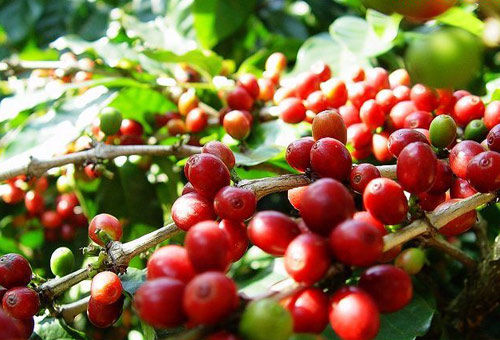
Compared to the denser, sometimes heavier cups from volcanic regions like Antigua, Cobán’s cooler and perpetually moist environment leads to a more delicate, nuanced expression. The extended fermentation window due to high humidity may also enhance the fruit esters and floral top notes without sacrificing cleanliness in the cup.
Cobán beans are usually processed using the washed method, which helps preserve their inherent clarity and vibrancy. That means you get the full expression of the region’s terroir without the heavy body or bold spice notes that can dominate other areas.
How To Brew Cobán Coffee at Home
To highlight Cobán coffee’s bright fruitiness and floral aromas, a medium-fine grind size is ideal—around a pour-over setting suited for a V60 or Kalita Wave. Aim for a water temperature between 90°C and 93°C (195°F to 200°F) and use a standard brew ratio of 1:15 to 1:16 (that’s 1 gram of coffee to 15–16 grams of water).
Start with a generous bloom (30 seconds with roughly twice the water weight of your coffee dose), then proceed with a controlled three-pour method to ensure even extraction. The goal is to emphasize the coffee’s inherent clarity and avoid over-extracting the brighter acids. A paper filter will help keep the cup clean and showcase the delicate floral and fruity notes.
For best results, use freshly roasted single-origin beans from Cobán within 2–3 weeks of roast date. Avoid dark roasts, which can mask the region’s signature fruit and floral attributes.
Frequently Asked Questions
Where is Cobán coffee grown in Guatemala?
Cobán coffee is grown in the Alta Verapaz region of northern Guatemala, within the larger Cobán growing area. The region features high-altitude, fog-covered mountains that remain cool and moist year-round, significantly influencing the coffee’s flavor development.

What does Cobán coffee taste like?
Cobán coffee is known for its bright fresh fruit flavors, balanced body, and pleasant floral aroma. The cup tends to be crisp and clean rather than heavy or spicy, often highlighting notes of citrus, stone fruit, and soft florals.
What climate and soil conditions define Cobán coffee production?
Cobán experiences a cool, cloudy climate with two main seasons—rainy and more rainy—that keep humidity high year-round. The coffee grows in mountainous terrain with limestone and clay soils derived from the Atlantic basin, contributing to the coffee’s bright acidity and structured body.
How is Cobán coffee processed?
Most Cobán coffee is processed using the washed method, which helps maintain clarity and highlights the region’s inherent fruit and floral characteristics. This processing style supports the coffee’s bright and balanced profile.
What makes Cobán different from other Guatemalan coffee regions?
Unlike regions such as Antigua or Huehuetenango—which often produce richer, spicier, or more chocolate-forward cups—Cobán is known for its lighter, fruitier, and more floral profile. The constant cloud cover, cool temperatures, and limestone soils create a unique terroir that emphasizes clarity and balance.
How should I brew Cobán coffee to get the best flavor?
Use a medium-fine grind, water between 90–93°C, and a 1:15 to 1:16 brew ratio. A pour-over method like V60 with a paper filter helps highlight the coffee’s bright fruit, floral aromas, and clean finish. Avoid over-extraction and dark roasts to preserve its delicate profile.
Recommended FrontStreet Beans for Pour-Over & Bright Profiles
For coffee lovers drawn to the bright fruit and floral notes of Cobán, try FrontStreet’s Brazil Hilariano Red Bourbon—a medium roast with creamy texture, mild acidity, and notes of nuts and caramel. Or explore Colombia Hulia Sidra from FrontStreet, offering sweet, fruity layers with notes of tropical fruit, jasmine, and almond, ideal for highlighting complexity. Both beans showcase clarity and balance, much like Cobán coffees. Freshly roasted within 5 days · Orders placed before 17:00 ship the same day · Next-day delivery across most of Guangdong Province.
FrontStreet Coffee is a long-established specialty coffee roaster in Guangzhou China, selling freshly roasted beans from its own farm in Yunnan as well as dozens of carefully selected single-origin beans from around the world for both pour-over and espresso. The products deliver consistently excellent quality and great value, with shipping within 24 hours. Guangzhou's FrontStreet Coffee shop is recommended by many coffee lovers, and the beans are now available online at the Tmall 。
Important Notice :
前街咖啡 FrontStreet Coffee has moved to new addredd:
FrontStreet Coffee Address: 315,Donghua East Road,GuangZhou
Tel:020 38364473