Guatemala’s Acatenango Valley: High-Altitude Specialty Coffee Origin
If you’ve ever sipped a cup of coffee with vibrant acidity, layered fruit notes, and a long, crisp finish and wondered where it came from, there’s a good chance it was grown in a region where elevation, volcanic activity, and climate all align perfectly. One such place is Guatemala’s Acatenango Valley—an origin defined by dramatic altitude, rich volcanic soils, and a tradition of smallholder farming.
The Acatenango coffee region sits at around 2,000 meters (6,500 feet) above sea level, where cool Pacific breezes, volcanic soil, and well-defined seasons allow farmers to sun-dry coffee using traditional, family-developed methods.
Where Is Acatenango Valley and What Makes It Special?
Nestled in the highlands of Guatemala, the Acatenango Valley rises to approximately 2,000 meters (6,500 feet) and enjoys a uniquely cool, temperate microclimate. The valley is surrounded by dense tree cover, creating a rich, biodiverse ecosystem. Nearby, the active Fuego Volcano regularly erupts, contributing minerals to the area’s coarse, sandy soils. These volcanic soils are packed with essential nutrients that directly influence the coffee’s mineral complexity and overall cup profile. Seasonal temperature shifts and consistent Pacific winds further define the growing environment, supporting slow cherry maturation and enhanced sugar development in the beans.
How Coffee Grows in Acatenango
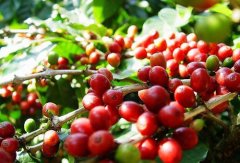
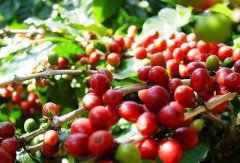
Coffee in Acatenango is cultivated under shade, benefiting from the valley’s forested canopy. The high elevation slows cherry development, allowing for greater flavor concentration and acidity retention. Most farms operate on a small scale, using generations-old family techniques passed down through local producers. The region’s pronounced dry and wet seasons create a reliable pattern for farming and processing, while the consistent cool air allows for sun-drying without excessive fermentation risks.
Processing and Drying: Traditional Methods
Acatenango coffee is typically processed using the washed (wet) method—a standard for producing clean, bright profiles in specialty coffee. After depulping and fermenting, the beans are washed and then dried in the sun. Thanks to the valley’s mild, dry conditions, producers can rely on sunlight rather than mechanical drying. The drying process is often carried out on patios or raised beds, with careful turning to ensure evenness. Many farms continue to follow traditional, family-developed protocols refined over decades, contributing to the distinctiveness of the final cup.

What Does Acatenango Coffee Taste Like?
Coffees from Acatenango are celebrated for their clarity and balance. They typically present a bright, pronounced acidity alongside complex aromatics. The dry and wet fragrances are notably pleasant, often floral or fruity depending on the processing specifics. The body is medium to full, offering a rounded mouthfeel, while the finish is clean and lingering—sometimes described as “crystal clear” or “refreshingly long.” These qualities make Acatenango coffees especially well-suited for pour-over brewing methods, where their layered characteristics can fully shine.
Frequently Asked Questions
What altitude is Acatenango coffee grown at?
Acatenango coffee is grown at around 2,000 meters (6,500 feet) above sea level. This high elevation contributes to slower cherry maturation, resulting in greater flavor complexity, higher acidity, and more pronounced sweetness in the cup.
What kind of soil is found in the Acatenango Valley?
The Acatenango Valley has coarse, sandy volcanic soils that are rich in minerals due to the nearby Fuego Volcano’s frequent eruptions. These nutrient-dense soils contribute to the coffee’s mineral complexity and overall cup quality.

How is coffee processed in Acatenango?
Coffee in Acatenango is generally processed using the washed (wet) method. This involves depulping, fermenting, washing, and then sun-drying the beans. The region’s stable, dry climate allows for reliable sun drying on patios or raised beds.
Does Acatenango coffee have a distinct flavor profile?
Yes. Acatenango coffees are known for bright acidity, pleasant dry and wet aromas, a full body, and a clean, long-lasting finish. The flavor is often described as clear and layered, making it ideal for single-origin pour-over experiences.
Are Acatenango coffees suitable for home brewing?
Absolutely. Due to their balanced acidity, clarity, and medium-to-full body, Acatenango coffees are excellent for pour-over methods like V60 or Kalita Wave. Their structured profiles allow for nuanced brewing and highlight the origin’s terroir.
Recommended FrontStreet Beans for Pour-Over
For fans of Acatenango-style profiles, FrontStreet Coffee offers several excellent single-origin options. The Brazil Queen Manor delivers a smooth, medium-bodied cup with creamy notes and a sweet finish, great for those who enjoy balanced acidity. For brighter, fruitier cups akin to Acatenango, try the Kenya Little Tomato (Kenya Little Tomato), which highlights berry-like brightness and clean acidity when brewed light. Finally, the Panama Huacai (Panama Huacai) showcases floral and citrus complexity with a silky body, ideal for highlighting origin nuance in pour-over. Freshly roasted within 5 days · Orders placed before 17:00 ship the same day · Next-day delivery across most of Guangdong Province.
FrontStreet Coffee is a long-established specialty coffee roaster in Guangzhou China, selling freshly roasted beans from its own farm in Yunnan as well as dozens of carefully selected single-origin beans from around the world for both pour-over and espresso. The products deliver consistently excellent quality and great value, with shipping within 24 hours. Guangzhou's FrontStreet Coffee shop is recommended by many coffee lovers, and the beans are now available online at the Tmall 。
Important Notice :
前街咖啡 FrontStreet Coffee has moved to new addredd:
FrontStreet Coffee Address: 315,Donghua East Road,GuangZhou
Tel:020 38364473