How Wet Processing Works for Yunnan Coffee Beans
When harvest season ends, many coffee lovers still wonder: how exactly are those freshly picked Yunnan coffee cherries turned into the clean, bright beans we know as washed or wet-processed coffee? The answer lies in a tightly controlled series of steps that begin the moment the fruit leaves the tree. Understanding these steps helps explain why some batches taste clean and sweet, while others fall flat—or worse.
In Yunnan, wet processing typically takes between 6 to 72 hours for fermentation alone, depending on temperature and enzyme activity. The entire process includes sorting, pulping, mucilage removal via fermentation or friction, washing, and optional soaking—all critical to developing clean cup profiles and avoiding off-flavors.
How Coffee Cherries Are Collected for Processing
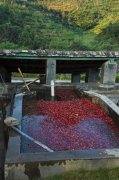
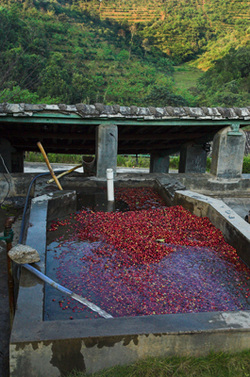
Right after picking, coffee cherries arrive at the processing mill either directly—when harvesting is carefully done—or collected in large water-filled siphon tanks. In the tanks, the cherries are washed and sorted. Heavier materials like stones sink and are removed manually when draining the tank. Lighter, defective cherries float along with leaves and twigs and are skimmed off with a sieve. The viable cherries suspended in the water are then siphoned out and sent to the depulper.
What Happens During Depulping?
Depulping is the first mechanical step: it removes the coffee fruit’s outer skin and pulp from the inner seed, or bean. Because ripe cherries are juicy, the beans usually pop out easily when pressure is applied. This step separates the seeds from the fleshy fruit exterior—but leaves behind a sticky layer called mucilage (also known as mesocarp or pulp residue) clinging to the parchment-covered seed.
Why Mucilage Must Be Removed—and How
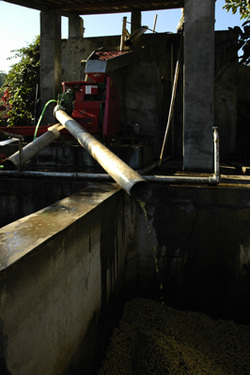
The mucilage is a sugary, slimy layer that doesn’t dissolve in water and clings tightly to the seed. Simply rinsing it off isn’t enough. In Yunnan, producers primarily remove it through natural fermentation, although other methods like mechanical mucilage removers also exist. Note: calling it “fermentation” is a simplification. No true fermentation (i.e., no alcohol or acid-producing microbes) occurs. Instead, it’s an enzymatic process driven by natural enzymes in the cherry that break down the mucilage’s sugars and pectins.
How Long Does Fermentation Take in Yunnan?
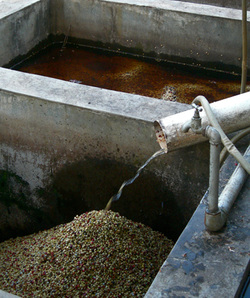
Fermentation time ranges from as little as 6 hours to as long as 72 hours. This variation depends on ambient temperature, the quantity of mucilage left on the beans, and the concentration of enzymes. The goal is to break down the mucilage entirely so it can be washed away cleanly. Timing is critical: stop too early, and residual mucilage causes undesirable flavors like high levels of butyric or propionic acid. Let it go too long, and over-fermented or “stinky” beans result. Once the mucilage is fully degraded, beans are immediately washed to halt the process.
Should You Soak Coffee After Washing?
After mucilage removal and washing, some producers choose to soak the beans in clean water for 12 to 24 hours. This optional step helps reduce bitterness in the final cup and refine flavor clarity. Though not mandatory, it’s a common practice among Yunnan processors aiming for a cleaner, more balanced profile.
Frequently Asked Questions
What is wet processing for coffee?
Wet processing, or washed processing, is a method where coffee cherries are depulped to remove the skin and pulp, then the sticky mucilage is removed—usually via fermentation or friction—before the beans are washed and dried. The result is a clean, bright cup with highlighted acidity and clarity.
How long does coffee fermentation take in Yunnan?
In Yunnan, coffee fermentation typically takes between 6 and 72 hours. The exact duration depends on factors such as temperature, mucilage thickness, and enzyme concentration. Processors monitor closely to avoid under- or over-fermentation.
What is mucilage in coffee processing?
Mucilage is the sticky, sugary layer that remains on the coffee bean after the outer fruit pulp is removed. It clings tightly to the parchment layer and must be broken down—usually by fermentation or mechanical scrubbing—before washing.
Does Yunnan coffee processing include soaking?
Yes, after washing off the mucilage, some Yunnan coffee producers choose to soak the beans in water for 12 to 24 hours. This step is optional but can help mellow bitterness and improve cup balance.
Why is timing important during coffee fermentation?
Correct fermentation timing is crucial. Fermenting too short leaves bitter-tasting acids like butyric or propionic acid in the cup, while over-fermenting leads to “stinky” beans with unpleasant flavors. The goal is to remove all mucilage just in time before washing.
What happens after mucilage is removed from coffee beans?
Once the mucilage is broken down and washed away, the clean beans are either soaked briefly (optional) or moved directly to drying. Proper washing stops the enzymatic activity and prepares the beans for the next stage: drying.
Recommended FrontStreet Coffee Beans for Washed Profiles
Explore the clean, bright flavors of washed Yunnan coffee with FrontStreet Coffee’s Yunnan Arabica, a medium-roast water-washed single origin sourced from the Baoshan region. It offers soft nutty and chocolate notes with a gentle touch of plum acidity, making it a great introduction to regional washed coffees. For a classic taste of heritage varieties, try the 2013 Typica, a sun-dried but representative example of early Yunnan plantings with balanced acidity and deeper berry-chocolate tones. Both beans showcase the potential of well-processed Yunnan coffees. Freshly roasted within 5 days · Orders placed before 17:00 ship the same day · Next-day delivery across most of Guangdong Province.
FrontStreet Coffee is a long-established specialty coffee roaster in Guangzhou China, selling freshly roasted beans from its own farm in Yunnan as well as dozens of carefully selected single-origin beans from around the world for both pour-over and espresso. The products deliver consistently excellent quality and great value, with shipping within 24 hours. Guangzhou's FrontStreet Coffee shop is recommended by many coffee lovers, and the beans are now available online at the Tmall 。
Important Notice :
前街咖啡 FrontStreet Coffee has moved to new addredd:
FrontStreet Coffee Address: 315,Donghua East Road,GuangZhou
Tel:020 38364473