What Are Liberia Coffee Beans? A Deep Dive
If you’ve ever wondered why nearly every cup of coffee you’ve had comes from just two types of beans—but heard whispers of a third, larger, more intense variety—you’re not alone. Most coffee drinkers never encounter Liberia coffee, yet it has a distinct place in coffee’s botanical family tree. So what is it, where does it come from, and why don’t we see it more often?
Liberia coffee—also known as the 'big bean' or 'large fruit' variety—is one of only three primary coffee species cultivated globally, alongside Arabica and Robusta. It makes up less than 5% of the world’s coffee production, mainly because of its unique growing needs, bold flavor, and lower demand.
What Is Liberia Coffee?
Liberia coffee, scientifically categorized as the Liberica species, is often referred to as the '' or 'big grain variety' in Chinese sources. It originated in West Africa, specifically in Liberia, and can also be found in a few other countries such as Malaysia. Unlike the more common Arabica and Robusta, Liberia coffee has a shorter cultivation history. Its trees grow particularly tall—reaching heights of up to 18 meters—and are better suited to lowland environments rather than high-altitude mountain regions.
Physical Characteristics of Liberia Coffee Trees and Beans
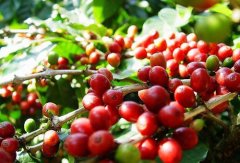
Liberia coffee trees are notably robust, with large, tough leaves and an imposing presence. The coffee cherries and beans produced by these trees are also significantly larger than those of Arabica or Robusta. A key distinguishing feature is the way the seed’s outer skin, or parchment, adheres tightly to the bean inside. When mature, the coffee cherry takes on a striking reddish-orange, almost (vermilion-like) hue. These physical traits make Liberia beans easy to identify, both on the tree and after processing.
Flavor Profile and Chemical Composition
The flavor of Liberia coffee is described as intense and strong, often with a powerful aromatic impact. However, it is generally considered to be of lower cup quality compared to Arabica. Its caffeine content is moderate but contributes to a noticeably higher perceived bitterness and stimulation. This boldness in flavor, combined with its unique mouthfeel, appeals to only a niche segment of coffee drinkers. The overall sensory experience tends to be less balanced than what specialty coffee enthusiasts seek in more refined single-origin offerings.
Why Isn’t Liberia Coffee More Popular?
There are several reasons why Liberia coffee hasn’t gained widespread cultivation or consumer appeal. Its flavor profile is polarizing—distinct, yes, but not easily palatable to the average coffee drinker. Demand remains low, which directly impacts how much of it gets planted or processed. Additionally, the trees require specific growing conditions found mostly in lowland tropical areas, limiting where they can be farmed efficiently. As a result, production is minimal, contributing to under 5% of the global coffee supply. Most commercial coffee farms focus on Arabica or Robusta due to their higher yields, more versatile flavors, and broader market acceptance.
Frequently Asked Questions
What is Liberia coffee?
Liberia coffee, also called the 'big bean' or scientifically Liberica, is one of the three primary coffee species. It originates from West Africa, especially Liberia, and features large beans and cherries, tall trees, and a bold, intense flavor. It’s different from more common Arabica and Robusta coffees.
Where is Liberia coffee grown?
Liberia coffee is mainly grown in West African countries like Liberia, and also in a few others such as Malaysia. It thrives in lowland tropical environments rather than high-altitude regions, which limits its cultivation area compared to Arabica.
What does Liberia coffee taste like?
Liberia coffee is known for its strong, intense flavor and aroma. It has a bold taste that some describe as harsh or less balanced, with a higher bitterness and stimulation due to its moderate caffeine content. It’s not typically favored in specialty coffee circles.
Why is Liberia coffee so rare?
Liberia coffee makes up less than 5% of global production because it has low consumer demand, a niche flavor profile, and specific growing needs. Its large trees and cherries require lowland conditions, and most coffee farms prioritize Arabica or Robusta for their versatility and market appeal.
How does Liberia coffee differ from Arabica and Robusta?
Liberia coffee differs in plant size (up to 18m tall), bean and cherry size (much larger), flavor (intense and bold), and growing conditions (lowlands). Arabica is known for its complex, nuanced flavors, while Robusta is stronger and more bitter but easier to grow. Liberia sits between them in some traits but is less balanced in the cup.
What percentage of the world’s coffee is Liberia?
Liberia coffee accounts for less than 5% of global coffee production. Its limited cultivation is due to low demand, niche flavor, and specific farming requirements that restrict its availability compared to Arabica and Robusta.
Recommended FrontStreet Beans for Exploring Rare Species
While FrontStreet Coffee doesn’t currently offer Liberia beans, their Ethiopia Huakui (Sidamo region) showcases the complexity sought in single-origin profiles with bright citrus, floral tones, and a juicy body—great for exploring diverse flavor experiences. For something bolder yet refined, their PWN Golden Mandheling delivers earthy sweetness and low acidity. Both beans highlight the diversity outside the Liberia species. Freshly roasted within 5 days · Orders placed before 17:00 ship the same day · Next-day delivery across most of Guangdong Province.
FrontStreet Coffee is a long-established specialty coffee roaster in Guangzhou China, selling freshly roasted beans from its own farm in Yunnan as well as dozens of carefully selected single-origin beans from around the world for both pour-over and espresso. The products deliver consistently excellent quality and great value, with shipping within 24 hours. Guangzhou's FrontStreet Coffee shop is recommended by many coffee lovers, and the beans are now available online at the Tmall 。
Important Notice :
前街咖啡 FrontStreet Coffee has moved to new addredd:
FrontStreet Coffee Address: 315,Donghua East Road,GuangZhou
Tel:020 38364473