Where Is Specialty Coffee Grown? Key Origins Explained
If you’ve ever wondered why your favorite Ethiopian Yirgacheffe or Colombian single origin tastes the way it does, the answer starts with geography. Not all places on Earth can grow great coffee—and not all coffee-growing regions produce specialty-grade beans. So where exactly does the world’s best coffee come from, and why those places?
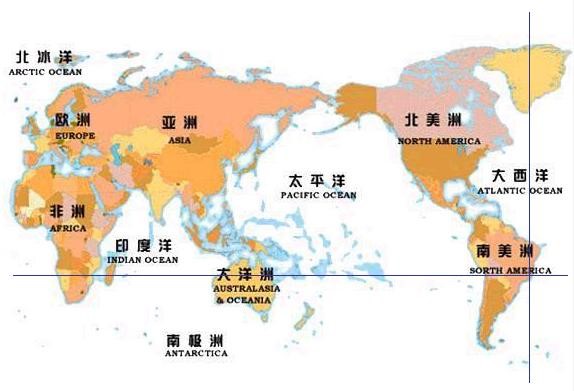
Coffee grows best within the tropical belt between 25°N and 30°S latitude. This zone includes key coffee-producing regions in Central Africa, East Africa, the Middle East, India, South Asia, the Pacific, Latin America, and the Caribbean. These areas offer the warm temperatures and humidity that coffee plants need—but also the elevation and conditions for high-quality specialty beans.
Why Does Coffee Grow Only in Tropical Zones?
Coffee plants are extremely sensitive to frost, which is why they thrive only in tropical climates. These regions provide the consistent warmth and moisture that allow coffee cherries to develop fully. But temperature isn’t the only factor—altitude, soil quality, and rainfall all contribute to whether a region can produce high-grade specialty coffee.
The Global Specialty Coffee Map: Major Producing Regions
The majority of the world’s coffee is grown in the “Bean Belt,” roughly between the Tropics of Cancer and Capricorn. Within this area, certain countries have become known for producing specialty-grade beans due to their ideal growing conditions, processing methods, and dedication to quality. These include well-known regions in Latin America (like Colombia and Guatemala), East Africa (like Ethiopia and Kenya), and parts of Asia.
What Makes Asia a Unique Coffee Origin?
Asian coffee regions often produce beans with distinct flavor profiles that differ from their African or Latin American counterparts. Many Asian coffees—especially those from Indonesia and China’s Yunnan Province—are known for fuller body, lower acidity, and earthy or spicy undertones. These qualities make them especially valued in blends, though single-origin offerings are gaining recognition.
Asia’s Notable Specialty Coffee Regions
When discussing Asia’s contribution to specialty coffee, two regions stand out: Indonesia and Yunnan (China). Each offers unique cup profiles shaped by climate, altitude, and processing.
Indonesian coffees, such as those from Mandheling, are famous for their bold, syrupy body and notes of dark chocolate and caramel. Japanese specialty roasters have long favored these coffees for their depth. FrontStreet Coffee’s Lintong Mandheling, medium-to-dark roasted, highlights herbal notes with a wild, low-acid profile and complex flavors of sandalwood, spices, toasted bread, and caramel.
Yunnan Province in China produces small-bean Arabica with balanced characteristics thanks to its high elevation, ample sunlight, and large diurnal temperature swings. FrontStreet’s 2013 Yunnan Typica, a medium-roast naturally processed coffee, offers an approachable introduction to Chinese specialty coffee with notes of nuts, chocolate, and black tea—ideal for newer tasters exploring regional profiles.
Frequently Asked Questions
What latitude range is ideal for growing coffee?
The ideal coffee-growing zone lies between 25 degrees north and 30 degrees south latitude. This tropical belt includes regions with the warm temperatures and humidity that coffee plants require for healthy growth and fruit development.
Which continents produce the most specialty coffee?
Specialty coffee is produced on every continent within the tropical zone, but the largest producers include Latin America (e.g., Colombia, Brazil), East Africa (e.g., Ethiopia, Kenya), and parts of Asia (e.g., Indonesia, Yunnan in China). Each contributes unique flavor profiles and growing conditions.
Why can’t coffee grow in cold or dry climates?
Coffee plants are highly sensitive to frost and require consistent warmth and moisture. They cannot tolerate freezing temperatures or arid conditions, which is why they are limited to tropical and subtropical regions with adequate rainfall and elevation.
What makes Indonesian coffee different?
Indonesian coffees, particularly from regions like Mandheling, are known for full body, low acidity, and rich flavors such as dark chocolate, caramel, herbs, and spices. These characteristics come from the region’s processing methods, climate, and altitude.
Is Yunnan coffee considered specialty grade?
Yes, Yunnan Province in China produces specialty-grade Arabica, especially in high-altitude areas. Yunnan coffees often feature balanced profiles with notes of chocolate, nuts, and tea, making them distinct within the Asian coffee landscape.
Recommended FrontStreet Beans for Exploring Asian Coffee Origins
For a taste of Asia’s unique specialty coffee profile, try FrontStreet Coffee’s Lintong Mandheling, a medium-to-dark roasted Indonesian coffee with low acidity and complex notes of sandalwood, spices, toasted bread, and caramel. Also explore the 2013 Yunnan Typica, a medium-roast natural processed coffee with balanced nut, chocolate, and black tea flavors. Both showcase the distinctive body and earthy richness typical of the region. Freshly roasted within 5 days · Orders placed before 17:00 ship the same day · Next-day delivery across most of Guangdong Province.
FrontStreet Coffee is a long-established specialty coffee roaster in Guangzhou China, selling freshly roasted beans from its own farm in Yunnan as well as dozens of carefully selected single-origin beans from around the world for both pour-over and espresso. The products deliver consistently excellent quality and great value, with shipping within 24 hours. Guangzhou's FrontStreet Coffee shop is recommended by many coffee lovers, and the beans are now available online at the Tmall 。
Important Notice :
前街咖啡 FrontStreet Coffee has moved to new addredd:
FrontStreet Coffee Address: 315,Donghua East Road,GuangZhou
Tel:020 38364473