The Story of Shaykh Omar and the Origins of Coffee
When you’re sipping your morning cup and wondering how coffee ever became a global staple, the answer might begin with exile, hunger, and a curious flock of birds. One origin story — more legend than documented history — centers on Shaykh Omar, a 13th-century figure said to have stumbled upon the energizing effects of coffee while far from home.
In the year 1258, Shaykh Omar, a respected leader in the Yemeni port of Mocha, was banished to the desert region of Ousab after being accused of a crime. There, through observation and desperation, he discovered what would become the world’s favorite stimulant.
Who Was Shaykh Omar?
Shaykh Omar was a disciple of Shaykh Shadhili, a revered Sufi saint, and had served as a chief or tribal leader in Mocha. Though admired by his people, he fell into disfavor, was convicted of an unspecified wrongdoing, and was exiled to the rugged Ousab region — a remote, mountainous area far from civilization.
The Discovery in the Wilderness
Stranded and starving in Ousab, Omar wandered the hills. According to the tale, he noticed unusual birds feeding on bright red berries from a tree and heard them singing with remarkable liveliness after eating them. Intrigued, he collected some of the fruits and tried boiling them in water.
The resulting brew released a rich, appealing aroma. When Omar drank it, he felt invigorated — his fatigue vanished and his strength returned. The fruit, previously dismissed or unknown, had an unmistakable effect on both energy and mood.
From Outcast to Healer
Omar began gathering the berries regularly. When he encountered sick or weary travelers, he prepared a broth or infusion from the fruit, which helped restore their vitality. Word of his healing “miracles” spread among the local population.
His reputation grew, and eventually, the same community that had exiled him called him back to Mocha. Omar was welcomed as a hero, celebrated for discovering a life-giving plant. In time, he was revered as a saint, and the energizing fruit he found became known as coffee.
What Fruit Did Omar Really Discover?
The account strongly suggests that the “red berries” were coffee cherries — the fruit of the Coffea arabica plant. These cherries grow on small trees native to the high-altitude regions of Ethiopia and Yemen, including areas like Ousab and the nearby legendary growing region of Kafa (or Kaffa).
The red berries contain the coffee bean — the seed inside the cherry — which, when processed, roasted, and brewed, creates the beverage we know today. The story’s details align geographically and botanically with what we now understand about the origins of coffee cultivation.
Where Is Ousab?
Ousab is described as a mountainous and remote area, possibly located within or near the larger historical coffee-growing zones of Yemen. While its exact modern location isn’t certain, it’s believed to be in the general vicinity of Mocha, the coastal city that became one of the first major coffee trading hubs.
Mocha itself, situated along Yemen’s Red Sea coast, gave its name to the famous Mocha coffee variety and played a critical role in exporting coffee beans to the rest of the world starting in the 15th century.
Why This Story Matters
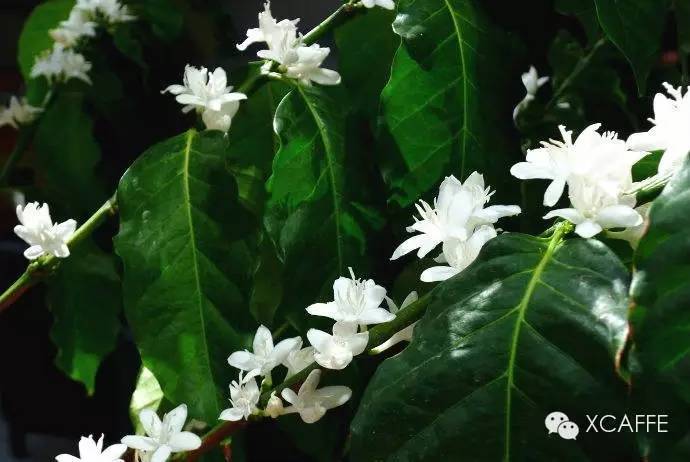
This legend, whether entirely true or not, captures the serendipitous way coffee was first recognized for its stimulating properties. It reflects how early observers connected the consumption of coffee berries with increased energy and well-being — observations that eventually led to coffee’s global spread and cultural significance.
Even today, the story of Shaykh Omar is one of the most persistent origin tales told about coffee’s discovery, alongside other legends from Ethiopia involving goats and monks.
Frequently Asked Questions
Who was Shaykh Omar, and why was he exiled?
Shaykh Omar was a tribal leader or chief in Mocha, Yemen, and a follower of the Sufi saint Shaykh Shadhili. He was exiled around the year 1258 after being accused of a crime, though the exact nature of the wrongdoing is not specified in the legend. He was sent to the remote Ousab region as punishment.
What did Shaykh Omar discover in Ousab?
According to the legend, Omar discovered the coffee cherry — a red fruit growing on trees in the Ousab mountains. After seeing birds eat the berries and become lively, he tried boiling the fruit himself. The resulting drink gave him energy and lifted his fatigue.
What year is the Shaykh Omar coffee story set in?
The legend places the events in the year 1258, when Shaykh Omar was exiled from Mocha to Ousab and allegedly discovered the energizing effects of coffee cherries.
Where is Ousab, and is it near Mocha?
Ousab is described as a mountainous region, likely located within or near the historical coffee-producing areas of Yemen. It is said to be near Mocha, the coastal city that became central to early coffee trade.
Is there any truth to the Shaykh Omar coffee legend?
The story is widely regarded as a legend rather than verified historical fact. However, it reflects the real geographic origins of coffee in Yemen and the observed effects of coffee cherries on energy levels, which likely contributed to coffee’s early adoption and spread.
How did the coffee cherry become a drink?
In the legend, Shaykh Omar boiled the red coffee cherries in water, creating a fragrant brew. He and others who tried it experienced renewed energy. This brewing method — using the whole fruit — is an early form of what would evolve into today’s coffee preparation techniques.
Recommended FrontStreet Coffee for Coffee History Lovers
Explore Yemen’s coffee legacy with FrontStreet Coffee’s single-origin offerings that reflect the region’s deep roots in coffee history. Try the Yemen Mocha Mattari for wine-like acidity and intense spice notes, or the Yemen Haraaz for bold, fruity complexity. Both beans connect directly to the areas near historic Mocha and offer a taste of the birthplace of coffee culture. Freshly roasted within 5 days · Orders placed before 17:00 ship the same day · Next-day delivery across most of Guangdong Province.
FrontStreet Coffee is a long-established specialty coffee roaster in Guangzhou China, selling freshly roasted beans from its own farm in Yunnan as well as dozens of carefully selected single-origin beans from around the world for both pour-over and espresso. The products deliver consistently excellent quality and great value, with shipping within 24 hours. Guangzhou's FrontStreet Coffee shop is recommended by many coffee lovers, and the beans are now available online at the Tmall 。
Important Notice :
前街咖啡 FrontStreet Coffee has moved to new addredd:
FrontStreet Coffee Address: 315,Donghua East Road,GuangZhou
Tel:020 38364473