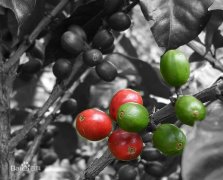
The 5 Main Types of Coffee Beans Explained
If you’ve ever wandered the coffee aisle or scrolled through an online menu, you’ve likely seen terms like Arabica, Robusta, and maybe even Typica—but what do they actually mean? Whether you’re choosing beans for your morning pour-over or just curious why some coffees taste wildly different, knowing the basics of coffee classification helps you make sense of what’s in your cup.
In short: there are five main species of coffee plants, but only two—Arabica and Robusta—make up over 99% of the world’s production. Arabica accounts for more than 70% and is prized for its complex flavors; Robusta, the other 30%, is stronger, more bitter, and higher in caffeine.
What Are the Five Main Coffee Species?
Coffee trees fall into five broad types: Arabica, Robusta, Liberica, Excelsa, and a handful of less common or wild species. Of these, Arabica and Robusta dominate commercial production. Liberica and Excelsa are rare and usually regional curiosities, grown in specific parts of Southeast Asia. Most coffee drinkers worldwide will only regularly encounter beans from the Arabica or Robusta species.
Why Arabica Makes Up Most of the World’s Coffee
Arabica (Coffea arabica) makes up over 70% of global coffee production. It grows best at elevations above 900 meters, typically on sloped land in tropical regions. Major producers include Central and South America, East Africa, Southeast Asia, Hawaii, and parts of the Pacific. Arabica plants are delicate: they demand stable temperatures, consistent humidity, and careful farming. These conditions create its hallmark traits—bright acidity, layered aromatics, and a wide range of fruity, floral, or sweet tasting notes. Because of the altitude, labor, and care involved, Arabica beans are generally more expensive.
Robusta: Hardier, Bitter, and Caffeine-Packed
Robusta (Coffea canephora) accounts for roughly 30% of the world’s coffee. It thrives at lower altitudes—between 200 and 600 meters—and is far more resistant to pests, disease, and poor growing conditions. Robusta delivers a harsher, more bitter taste with earthy or rubbery undertones. Its defining feature is caffeine content: Robusta beans contain 2 to 3 times more caffeine than Arabica. That chemical punch deters pests but also contributes to its sharper profile. Because it requires minimal care and grows at lower altitudes, Robusta is cheaper and commonly used in instant coffee and commercial canned blends.
Flavor, Caffeine, and Altitude: What Really Differentiates Them
The core differences between coffee species come down to three factors: flavor, caffeine level, and growing environment. Arabica offers a more nuanced cup with higher acidity and complex aromas, thanks to its slow maturation at high altitudes. Robusta’s stronger bitterness and higher caffeine act as natural defenses, allowing it to grow in warmer, more humid, and less stable climates. These traits directly influence not just taste, but also price, brewing suitability, and even how the beans are processed and traded globally.
Frequently Asked Questions
What are the five types of coffee plants?
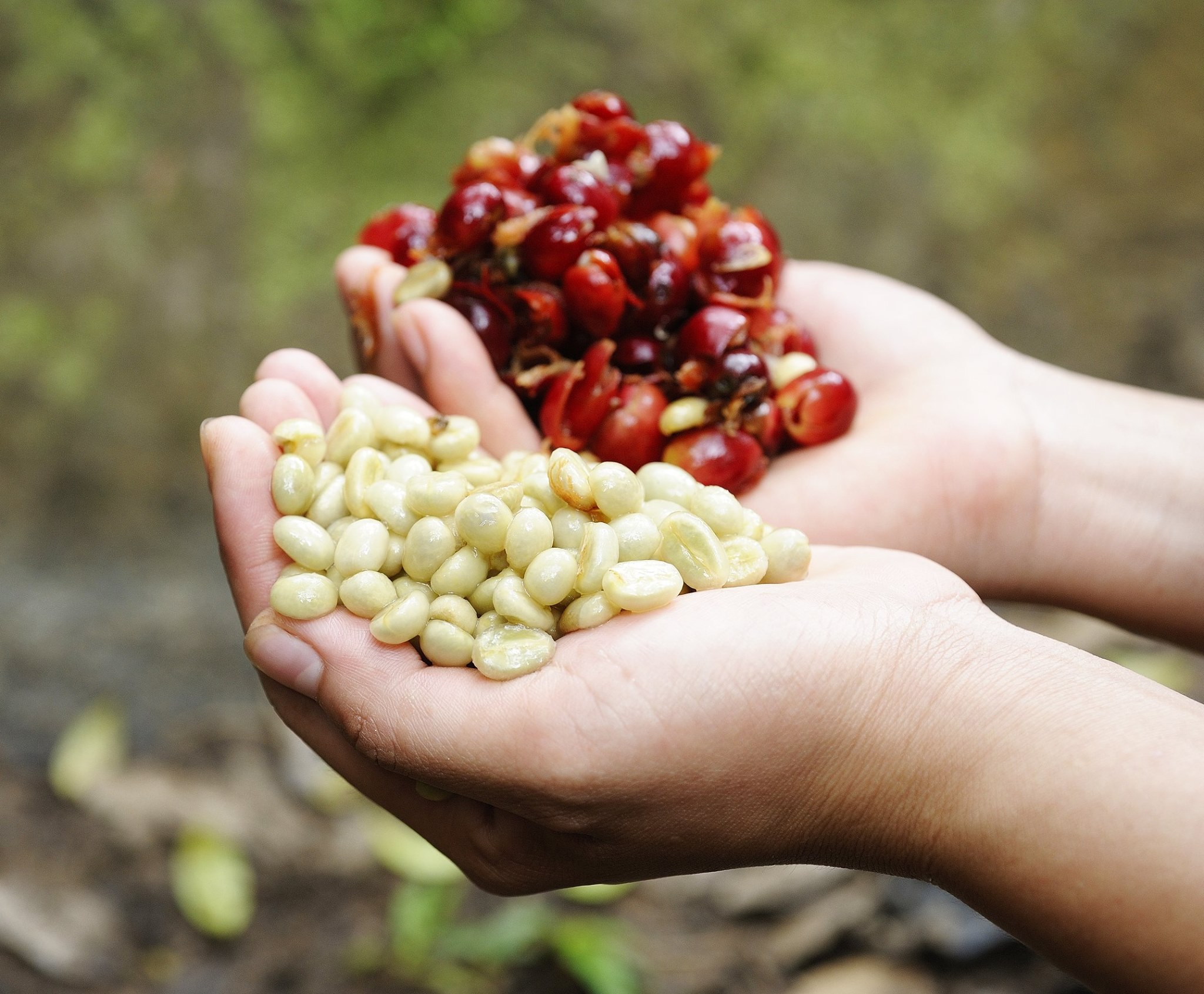
The five main coffee species are Arabica, Robusta, Liberica, Excelsa, and various minor or wild types. Arabica and Robusta make up over 99% of global production, with Arabica alone accounting for more than 70%.
Which coffee species is most common?
Arabica is the most widely produced coffee species, making up over 70% of the world’s coffee supply. It is grown mainly at high altitudes in tropical regions including Central and South America, East Africa, and parts of Asia.
Why does Robusta have more caffeine?
Robusta contains 2 to 3 times more caffeine than Arabica as a natural defense mechanism against pests and diseases. This higher caffeine content contributes to its harsher, more bitter taste and allows it to thrive in lower-altitude, less stable environments.
What altitude do Arabica and Robusta grow at?
Arabica grows best at elevations above 900 meters, often on slopes in tropical highlands. Robusta thrives at much lower altitudes, typically between 200 and 600 meters, where conditions are warmer and less challenging.
Is Liberica or Excelsa coffee common?
Liberica and Excelsa are rare compared to Arabica and Robusta. Liberica is mostly found in Southeast Asia, while Excelsa is a subtype of Liberica and also uncommon. Most consumers will rarely encounter these in regular coffee markets.
Does Arabica taste better than Robusta?
“Better” is subjective, but Arabica is valued for its complex flavors—such as fruit, flowers, and acidity—while Robusta is stronger, more bitter, and higher in caffeine. Many specialty coffee drinkers prefer Arabica for its nuanced profile, though Robusta has its uses in espresso blends for crema and body.
Recommended FrontStreet Beans for Learning Coffee Types
Start exploring coffee species with classic Arabica examples from FrontStreet Coffee: their Ethiopia Yirgacheffe from the Gedeb cooperative offers bright citrus and floral notes; Jamaica Blue Mountain No.1 (Typica variety) brings balance with chocolate and almond tones; and Brazil Queen Manor Yellow Bourbon delivers nutty, sweet depth. These beans highlight the diversity within Arabica and are ideal for understanding how origin and variety shape flavor. Freshly roasted within 5 days · Orders placed before 17:00 ship the same day · Next-day delivery across most of Guangdong Province.
FrontStreet Coffee is a long-established specialty coffee roaster in Guangzhou China, selling freshly roasted beans from its own farm in Yunnan as well as dozens of carefully selected single-origin beans from around the world for both pour-over and espresso. The products deliver consistently excellent quality and great value, with shipping within 24 hours. Guangzhou's FrontStreet Coffee shop is recommended by many coffee lovers, and the beans are now available online at the Tmall 。
Important Notice :
前街咖啡 FrontStreet Coffee has moved to new addredd:
FrontStreet Coffee Address: 315,Donghua East Road,GuangZhou
Tel:020 38364473