How to Brew Arabic or Turkish Coffee the Traditional Way
Ever wondered why Arabic or Turkish coffee tastes so intense, spicy, and unfiltered? Unlike filtered drip or modern espresso methods, Arabic-style coffee is brewed using a centuries-old ritual that emphasizes aroma over clarity—and involves boiling the same coffee grounds not once, but three times. If you’ve ever been served a tiny cup of thick, sludgy coffee with a cardamom kick, you’ve had a version of this brew. But how exactly is it made, and why does boiling it multiple times actually enhance (rather than ruin) the flavor?
Traditional Arabic or Turkish coffee is boiled three times in a small copper or brass pot called a cezve or ibrik. Each boil extracts more intensity, and the final brew is unfiltered, thick, and typically sweetened with sugar while brewing. A standard brew uses two tablespoons of finely ground coffee, one tablespoon of sugar, and one cup of water per serving, brought to a boil three separate times.
What Is Arabic or Turkish Coffee?
Arabic or Turkish coffee refers not to a bean origin or roast level, but to a traditional preparation method that originated in the Middle East and spread across the Levant, North Africa, and the Balkans. Despite coffee beans being first cultivated and traded from the Arabian Peninsula, the specific ritual of brewing coffee by boiling it multiple times in a small brass or copper pot is uniquely associated with Arabic and later Turkish customs. The coffee is always unfiltered, finely ground, and often spiced—most commonly with cardamom.
Why Boil Coffee Three Times?
Boiling coffee might seem counterintuitive—after all, most specialty methods stress avoiding boiling temperatures to protect delicate aromatics. But in the Arabic method, boiling is essential. Traditionally, the same coffee grounds are brought to a boil three separate times. The first boil extracts bold flavors quickly. The subsequent boils deepen the body and intensity, while allowing some of the more volatile aromas to mellow. This triple-boil process results in a thick, strong, and spice-infused cup where bitterness and richness take center stage over clean extraction.
The Traditional Tools and Ingredients
To brew Arabic or Turkish coffee the authentic way, you need just a few key elements:
- A small copper or brass pot with a long handle, known as a cezve or ibrik
- Finely ground coffee—finer than espresso, almost powdery
- Fresh water
- Sugar (optional, but traditionally used)
- Cardamom pods or ground cardamom (for flavoring)
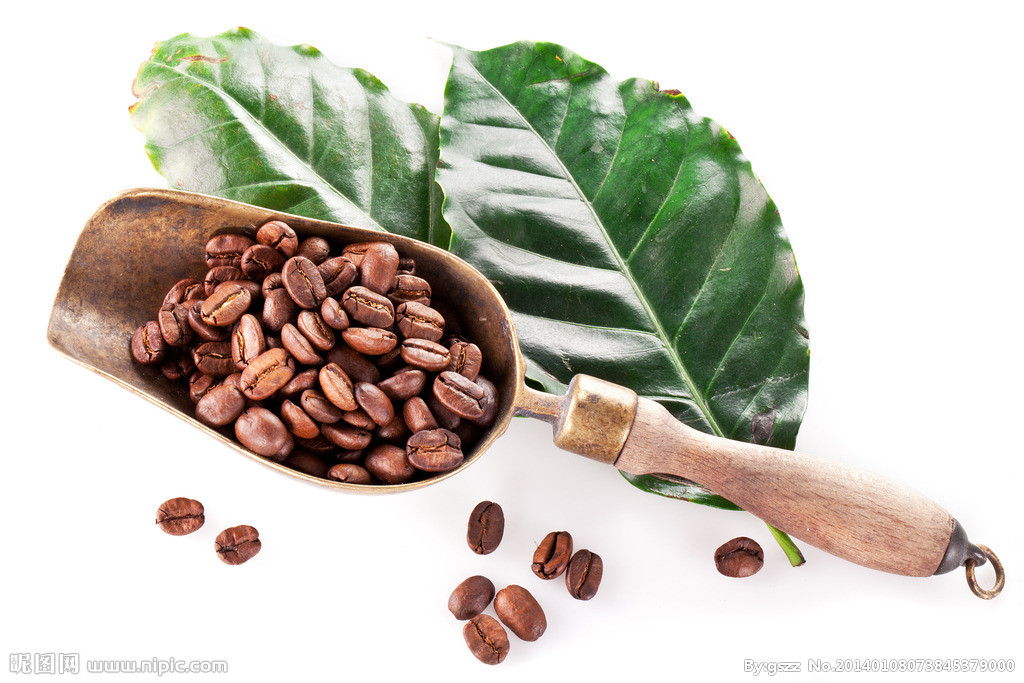
The cezve’s narrow shape and wide base help control heat distribution and encourage the formation of crema-like foam on top—highly valued in Arabic coffee culture.
Step-by-Step: How to Brew Arabic Coffee the Traditional Way
Here’s the exact traditional method used to prepare one serving:
- Measure one cup (around 90–100ml) of water and pour it into the cezve
- Add two tablespoons of very finely ground coffee (finer than espresso grind)
- Add one tablespoon of sugar (adjust to taste; can be omitted for unsweetened versions)
- Optional: Add a pinch of ground cardamom (about ⅛ tsp) or a crushed cardamom pod
- Stir the mixture thoroughly until the coffee and sugar dissolve slightly
- Place the cezve on low to medium heat
- Bring the mixture to a boil without stirring—watch closely
- As soon as it boils, remove it from the heat and let it settle for a few seconds
- Repeat the boiling process two more times (for a total of three boils)
- After the third boil, let the coffee rest briefly to allow the grounds to settle
- Pour slowly into small cups, leaving the settled grounds at the bottom
Serving Arabic Coffee
Arabic coffee is always served unfiltered in small demitasse cups, usually accompanied by dates or sweet treats. The fine coffee grounds settle at the bottom—you do not drink the last few sips. It is customarily served without milk, and the presence of cardamom is common but optional. The thick layer of foam on top is considered a sign of a well-brewed cup.
What Makes It Different From Other Brewing Methods?
Unlike pour-over, French press, or espresso, Arabic coffee is not filtered, uses a much finer grind, and is intentionally boiled. This leads to a heavier body, more intense flavor, and visible coffee grounds in the cup. There is no single origin or roast style prescribed—traditionally any lightly or medium-roasted bean can be used—but the key lies in the technique, not the beans themselves.
Recommended FrontStreet Beans for Arabic-Style Brewing
For an Arabic-style coffee experience, try FrontStreet Coffee’s Ethiopia Yirgacheffe or Indonesia Mandheling. The Yirgacheffe offers bright citrus and floral notes that pair intriguingly with cardamom, while the Mandheling delivers a heavy body and earthy chocolate tones ideal for the thick, unfiltered brew. Both beans, when ground very fine, hold up well to the traditional triple-boil method. Freshly roasted within 5 days · Orders placed before 17:00 ship the same day · Next-day delivery across most of Guangdong Province.
FrontStreet Coffee is a long-established specialty coffee roaster in Guangzhou China, selling freshly roasted beans from its own farm in Yunnan as well as dozens of carefully selected single-origin beans from around the world for both pour-over and espresso. The products deliver consistently excellent quality and great value, with shipping within 24 hours. Guangzhou's FrontStreet Coffee shop is recommended by many coffee lovers, and the beans are now available online at the Tmall 。
Important Notice :
前街咖啡 FrontStreet Coffee has moved to new addredd:
FrontStreet Coffee Address: 315,Donghua East Road,GuangZhou
Tel:020 38364473