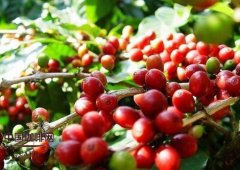
Guatemala Huehuetenango: High-Altitude Specialty Coffee Beans
When you crave a rich, structured cup of coffee with a well-rounded acidity and hints of spice—but find most commercial blends lacking complexity—you might be looking for something grown in Guatemala’s mountainous highlands. One such region, Huehuetenango, produces some of the country’s most respected beans. But what makes these coffees different? And why is Guatemalan coffee still regaining its former global reputation?
The short answer: Guatemala’s best coffees come from regions like Huehuetenango and Antigua, where volcanic soil, high altitudes (1,500–2,000+ meters), and cool temperatures yield hard-bean coffees with dense, balanced profiles. Huehuetenango beans are especially prized for their full body, vibrant acidity, and spicy complexity—qualities that set them apart in the specialty market.
How Guatemala’s Coffee Industry Evolved
Coffee was introduced to Guatemala in 1750 by Jesuit priests, but it wasn’t until the late 19th century that German colonists helped develop the industry. Today, most production occurs in the southern highlands, where the slopes of the Sierra Madre volcanoes create near-perfect growing conditions. These elevations produce what are classified as Strictly Hard Bean (SHB) or Hard Bean (HB) coffees—terms that denote density and slow maturation due to altitude.
Historically, Guatemalan coffee enjoyed a stellar global reputation. However, political instability and economic pressures caused quality to dip for decades. In recent years, though, the country has been reclaiming its status as a producer of premium single-origin beans. The focus is now on quality over sheer volume: Guatemala yields just 700 kg of coffee per hectare, compared to El Salvador’s 900 kg and Costa Rica’s impressive 1,700 kg.
Key Coffee-Growing Regions in Guatemala
Several regions define Guatemala’s specialty coffee output:
- Huehuetenango: One of the most renowned areas, located far from the influence of ocean moisture. Its high elevation and dry, hot winds from Mexico’s Tehuantepec Plain create ideal conditions for slow cherry development. Coffees here are known for a full body, bright acidity, and complex spice or fruit notes.
- Antigua: Nestled among three volcanoes—Agua, Fuego, and Acatenango—this region benefits from frequent volcanic ash deposits that replenish soil nitrogen. The celebrated Hacienda Carmona estate produces the Elite Pulcal lot, which features deeper tobacco and spice tones than many other Guatemalan coffees. Volcanic activity every 30 years or so further enriches the already fertile land.
- Atitlán and San Marcos: Other notable regions include Lake Atitlán, surrounded by volcanoes and rich in microclimates, and San Marcos, one of the warmest and wettest coffee zones in the country.
- Oriente & Cobán, Pacaya, Malacatán, and La Unión (Zacapa): These lesser-known areas also contribute unique profiles to Guatemala’s coffee diversity.
Challenges and Innovations in Guatemalan Coffee Production
Despite its reputation, Guatemala’s coffee sector faces hurdles. Much of the country’s finest coffee is exported to Japan, where it fetches premium prices (around $3–$4 per cup), but domestic producers—many of them Mayan descendants—struggle with limited resources and market access. The national coffee yield per hectare remains low, and political issues continue to impact farming communities.
To combat these challenges, a $2.5 million U.S.-funded project (locally called “The Project”) aims to encourage small-scale farmers to cultivate high-quality lots and process beans locally. Currently, most smallholders sell their cherries to intermediaries, but on-site processing could significantly improve both cup quality and profitability. The initiative also promotes traditional varieties like Bourbon, which, although lower-yielding, are favored by specialty roasters for their superior cup profile. Meanwhile, newer dwarf hybrids may produce more fruit but often lack the depth of flavor found in classic Bourbons.
Frequently Asked Questions
What makes Huehuetenango coffee different from other Guatemalan regions?
Huehuetenango coffee grows at high altitudes (1,500–2,000+ meters) in a dry, hot microclimate influenced by winds from Mexico’s Tehuantepec Plain. This results in dense, hard-bean coffees with a full body, bright acidity, and complex spicy or fruity notes—distinct from the more floral or smoky profiles of regions like Antigua or Atitlán.
Why is Guatemalan coffee considered high quality?
Guatemalan coffee is prized for being Strictly Hard Bean (SHB) or Hard Bean (HB), grown at elevations above 1,500 meters. These conditions produce slow-maturing, dense beans with balanced acidity, rich body, and complex flavors ranging from spice and fruit to chocolate and nuts. Regions like Antigua and Huehuetenango benefit from volcanic soils and microclimates that enhance cup quality.
What are the main coffee-growing regions in Guatemala?
The key regions include Antigua (volcanic, complex, tobacco notes), Huehuetenango (high-altitude, spicy, full-bodied), Atitlán (lake-influenced, microclimates), San Marcos (warm and wet), and others like Pacaya, Cobán, and Zacapa. Each contributes unique flavor profiles based on altitude, soil, and climate.
Why has Guatemala’s coffee quality declined in the past?
Political instability, economic hardship, and a focus on volume over quality led to a drop in Guatemala’s coffee reputation. Many producers sold unprocessed cherries to intermediaries, limiting their ability to improve cup quality. Low yields per hectare (700 kg) also reflect historical underinvestment compared to neighbors like Costa Rica (1,700 kg/ha).
How is Guatemala working to improve its coffee industry today?
Initiatives like the U.S.-funded “The Project” aim to support smallholder Maya farmers in producing high-quality lots and processing beans locally. The project encourages cultivation of traditional Bourbon varieties over modern high-yield hybrids, and promotes on-farm processing to increase value and quality. Efforts also focus on breaking the cycle of high-volume, low-quality production.
Recommended FrontStreet Coffee Beans for Pour-Over
If you’re exploring high-altitude Guatemalan-style profiles, try FrontStreet Coffee’s BrazilianBourbon for a smooth, medium-bodied cup with nutty sweetness and mild acidity—ideal for everyday brewing. For brighter, fruitier notes akin to Huehuetenango, their ColombianSidra offers complex stone fruit and cane sugar sweetness with a juicy body. Both beans are expertly roasted for filter methods, with clear flavour profiles that highlight the terroir. Freshly roasted within 5 days · Orders placed before 17:00 ship the same day · Next-day delivery across most of Guangdong Province.
FrontStreet Coffee is a long-established specialty coffee roaster in Guangzhou China, selling freshly roasted beans from its own farm in Yunnan as well as dozens of carefully selected single-origin beans from around the world for both pour-over and espresso. The products deliver consistently excellent quality and great value, with shipping within 24 hours. Guangzhou's FrontStreet Coffee shop is recommended by many coffee lovers, and the beans are now available online at the Tmall 。
Important Notice :
前街咖啡 FrontStreet Coffee has moved to new addredd:
FrontStreet Coffee Address: 315,Donghua East Road,GuangZhou
Tel:020 38364473