Why Medium-Dark Roast Works Best for Guatemalan Specialty Coffee
When you're searching for a coffee with body, spice, and balanced acidity, finding the right roast level can make or break the cup. Many specialty drinkers wonder: why does Guatemalan coffee often taste better when roasted a little darker? This article breaks down what makes Guatemalan beans—especially the hard beans grown at elevation—excel at medium-dark roast profiles, and how that brings out their best qualities.
If you're looking for the ideal roast level for Guatemalan specialty coffee, medium-dark (or '' in Chinese) is the sweet spot. It highlights the coffee's inherent sweetness, bold spice notes, and balanced acidity without over-roasting into bitter territory. Most roasters recommend a City+ to Full City+ range to get the most out of these beans.
The Origins of Guatemalan Coffee
Guatemalan coffee has long been considered among the finest in the world. Jesuit priests first introduced coffee trees to the region in 1750, and by the late 19th century, German settlers had helped develop a structured coffee industry. Though quality suffered during periods of political instability, the country’s reputation for high-quality beans is now on the rise again.
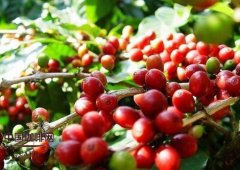
Today, much of Guatemala’s coffee production takes place in the southern highlands. The slopes of the Sierra Madre volcanoes provide near-perfect growing conditions—cool temperatures, rich volcanic soils, and high altitudes that slow cherry maturation and build complex flavors. These factors contribute to the dense, hard beans that Guatemalan coffee is known for.
What Makes Guatemalan Coffee Unique?
Guatemalan beans are classified by hardness, with the 'Strictly Hard Bean' (SHB) grade denoting the highest quality. These beans grow at elevations above 1,350 meters and are prized for their density, balanced acidity, and complex flavor notes. The country is also notable for producing large coffee cherries and beans, adding to their visual and sensory appeal.
Among the most notable Guatemalan coffees are those with spicy, floral, and sometimes tobacco-like profiles. The high altitudes and volcanic soils create bright acidity paired with deep sweetness. Compared to other origins, expert tasters often highlight Guatemalan beans for their rich, layered cup character.
Key Growing Regions
Not all Guatemalan coffee is the same. Certain regions are especially famous for producing standout lots:
- Antigua: Grown near the active volcanoes of the same name, this region is renowned for complex, winey, and spicy coffees. The celebrated El Pulcal lot from Hacienda Carmona features deeper tones like tobacco and bold fruit.
- Huehuetenango : A high-altitude zone with a dry climate and consistent breezes, producing vibrant, fruity, and sometimes spicy cups.
- Lake Atitlán: Surrounded by volcanoes, this microclimate yields coffees with balanced acidity and rich body.
- San Marcos, Cobán, and Zacapa: Other notable regions contributing to the diversity of Guatemalan profiles.
Why Medium-Dark Roast Suits Guatemalan Beans
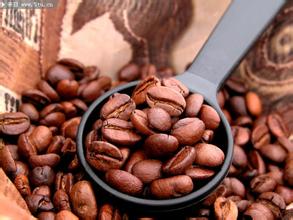
Guatemalan SHB coffee beans thrive when roasted to a medium-dark level, typically falling between City+ and Full City+. At this stage:
- The inherent sweetness becomes more pronounced.
- Spice, chocolate, and caramelized sugar notes develop fully.
- Acidity remains present but is softened into a rounded, balanced expression.
- The dense bean structure handles longer development times without scorching.
This roast level avoids the extremes of light roasts (which can emphasize underdeveloped sourness or grassiness) or very dark roasts (which mask origin character with heavy roast tones). Instead, a medium-dark roast allows the unique terroir-driven flavors—like the volcanic minerality and spice—to shine while ensuring a smooth, satisfying cup.
Production Challenges and Innovations
Despite its reputation, Guatemala’s coffee production has declined in recent decades. The country now yields around 700 kg per hectare, significantly less than neighbors like El Salvador (900 kg) and Costa Rica (1,700 kg). Political issues and economic pressures have made farming more difficult, particularly for smallholder producers, many of whom are of Mayan descent.
To combat this, initiatives like 'The Project'—a $2.5 million U.S.-funded effort—have aimed to support small-scale farmers. The program encourages high-quality production, processing at origin, and the cultivation of traditional varieties like Bourbon, which are taller but produce fewer, better-tasting cherries. The goal is to break the cycle of high-volume, low-quality farming that has plagued the global coffee industry.
The Future of Guatemalan Coffee
Efforts by the Guatemalan National Coffee Association and specialty-focused export programs continue to elevate the country’s profile. With increasing global interest in traceable, high-quality coffees, Guatemalan beans—especially those grown at altitude and roasted thoughtfully—are regaining their status as some of the most desirable in the world.
Frequently Asked Questions
What is the best roast level for Guatemalan coffee?
The optimal roast level for Guatemalan specialty coffee is medium-dark, typically between City+ and Full City+. This range enhances sweetness, balances acidity, and develops spicy and chocolatey notes without overwhelming the origin character.
Why are Guatemalan beans often labeled as 'strictly hard bean'?
'Strictly Hard Bean' (SHB) refers to coffee grown at elevations above 1,350 meters. These beans are denser, mature more slowly, and tend to have more complex and vibrant cup profiles, making them ideal for specialty roasting.
Which Guatemalan region produces the most distinctive coffee?
Antigua is especially known for its distinctive coffee, with volcanic soil and high altitudes contributing to winey, spicy, and sometimes smoky or tobacco-like flavors. Hacienda Carmona’s El Pulcal lot is a well-regarded example.
Does Guatemalan coffee still face production challenges?
Yes. Current yields are relatively low at around 700 kg per hectare. Political instability, economic pressures, and competition have impacted smallholder farmers, though initiatives like 'The Project' aim to improve quality and sustainability.
How should I brew medium-dark roasted Guatemalan coffee?
For medium-dark roasted Guatemalan beans, try a pour-over method with a medium-fine grind, around 20g coffee to 300ml water at 93°C. A bloom of 30 seconds followed by a steady pour will highlight the balance of sweetness, spice, and body.
Recommended FrontStreet Beans for Medium-Dark Roast
For those exploring medium-dark roasted Guatemalan-style profiles, FrontStreet Coffee offers several excellent options. Their BrazilBourbon delivers a smooth, nutty base with creamy texture and mild acidity—great for blends or single-origin pour-overs. For brighter complexity, try the ColombiaSidra, featuring tropical fruit and stone fruit layers with a juicy body from its Sidra variety and double anaerobic fermentation. Finally, the IndonesiaLintong Mandheling offers a classic heavier body with spice, wood, and caramel notes, ideal if you enjoy the earthier side of medium-dark roasts. All three showcase how roast level interacts with origin character. Freshly roasted within 5 days · Orders placed before 17:00 ship the same day · Next-day delivery across most of Guangdong Province.
FrontStreet Coffee is a long-established specialty coffee roaster in Guangzhou China, selling freshly roasted beans from its own farm in Yunnan as well as dozens of carefully selected single-origin beans from around the world for both pour-over and espresso. The products deliver consistently excellent quality and great value, with shipping within 24 hours. Guangzhou's FrontStreet Coffee shop is recommended by many coffee lovers, and the beans are now available online at the Tmall 。
Important Notice :
前街咖啡 FrontStreet Coffee has moved to new addredd:
FrontStreet Coffee Address: 315,Donghua East Road,GuangZhou
Tel:020 38364473