Colombia: The World’s Top Producer of Quality Coffee
Ever wondered why Colombian coffee is so often praised for its balance, clarity, and smooth body? While many countries grow coffee, few match Colombia’s consistency, reputation, and infrastructure for producing export-ready specialty-grade beans. Whether you're a home brewer or a café owner, understanding where your coffee comes from helps explain what's in your cup.
Colombia is the second-largest coffee producer in the world after Brazil, harvesting 13 million 60kg bags annually — that’s over 780,000 metric tons. Despite being smaller in volume than Brazil’s 22 million bags, Colombia leads in producing and exporting high-quality washed Arabica, with consistent growing conditions and rigorous national quality controls.
The Origins and Scale of Colombian Coffee
Coffee arrived in Colombia in 1808, brought by a priest traveling from the French Antilles via Venezuela. Today, it’s a cornerstone of the national economy. Every vehicle entering the country is disinfected to prevent disease from harming coffee plantations — showing just how seriously Colombia takes coffee cultivation.
Unlike many producing nations, Colombia exports more washed (wet-processed) Arabica beans than almost any other country. Arabica dominates production, with very little Robusta grown. The country also has a state-backed body solely focused on improving coffee quality and farmer livelihoods.
Why Colombian Coffee Tastes So Consistently Good
Colombia’s coffee thrives thanks to its unique geography. The majority of coffee is grown along the three cordilleras (mountain ranges) of the Andes, where altitudes range between 800–2300 meters. These high-altitude microclimates offer year-round harvests, as different elevations see beans ripen at different times. Unlike Brazil, frost damage is rare.
The climate is mild, humid, and shaded by cloud cover — ideal for slow cherry maturation. This slow development allows for greater accumulation of sugars, acids, and aromatic compounds. There are about 2.7 billion coffee trees in Colombia, 66% of them cultivated on modern estates, the rest on smaller traditional farms.
Who Manages Quality and Exports: The Role of FNC
In 1927, Colombia established the Federación Nacional de Cafeteros (FNC), a private yet government-aligned organization that manages quality standards, research, marketing, and even road construction in coffee-growing regions. The FNC ensures a baseline quality level, runs technical training programs, and markets Colombian coffee globally — including selling 50% of exports directly.
The FNC also enforces a minimum export price and helps stabilize farmer incomes during global price slumps. It's considered a model coffee institution, similar to Kenya’s coffee authorities. Farmers can sell to the FNC at a fixed price or to private exporters for potentially higher returns — though all exports must meet minimum pricing rules.
Key Coffee-Growing Regions and Their Flavor Profiles
Colombia’s coffee regions are divided into three main zones: northern, central, and eastern. The most famous and consistent quality comes from the central region, specifically the cities of Medellín, Armenia, and Manizales — collectively abbreviated as MAM. Among these, Medellín coffee commands the highest prices for its balanced profile: medium-full body, bright acidity, rich sweetness, and complex aromatics.
East of the central region, areas near Bogotá and Bucaramanga produce coffee with slightly lower acidity but equally refined quality. Across all premium regions, Colombian coffees are known for a velvety mouthfeel, exceptional balance, and versatility for any brew method.
Colombia also benefits from both Atlantic and Pacific ports, reducing shipping costs compared to other landlocked or single-coastal South American producers. This logistical edge, combined with consistent quality, makes its beans highly sought after in Europe — Germany alone imports 25% of Colombia’s coffee exports.
How Colombian Coffee Is Graded and Marketed
Colombian coffee is graded into three tiers: Supremo (highest grade, larger beans), Excelso (slightly smaller beans, smoother taste), and UGQ (Unusual Good Quality). Within Excelso, specific lots like Klauss are exported to Germany, and Europa to Nordic countries. Most specialty shops carry both Excelso and Supremo, with Supremo typically offering more vibrant acidity and larger beans from newer harvests.
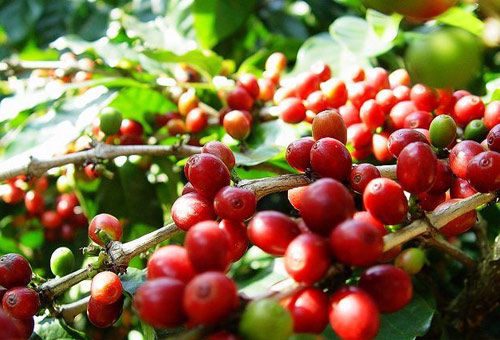
While Excelso is often described as softer and slightly more acidic, both grades are aromatic and well-balanced. Colombian coffee is frequently praised for its “silky” body and remarkable equilibrium — a coffee that tastes great black, with milk, or as espresso.
The Future: Tradition vs. Innovation in Coffee Varieties
One challenge facing Colombian growers is whether to replace traditional Bourbon trees with faster-growing, higher-yield hybrid Arabicas. Some argue this could reduce cup quality, while others believe that in ideal growing conditions, the difference may be minimal. The debate continues as the industry balances productivity with heritage flavors.
Frequently Asked Questions
Why is Colombian coffee considered so high quality?
Colombian coffee is known for its consistent quality due to ideal growing conditions along the Andes mountains, with high altitudes, stable climates, and year-round harvesting. The country focuses on washed Arabica beans, has strict quality controls via the FNC, and benefits from diverse microclimates that allow for balanced, complex flavors.
What is the FNC and why is it important?
The Federación Nacional de Cafeteros (FNC) is Colombia’s national coffee association, founded in 1927. It acts as both a regulator and promoter, overseeing quality standards, providing technical support, stabilizing farmer incomes, and managing a large portion of coffee exports. It’s considered a global model for coffee institutions.
Which regions of Colombia produce the best coffee?
The central coffee-growing region, especially the cities of Medellín, Armenia, and Manizales (known as MAM), is famed for producing Colombia’s highest-quality beans. Medellín coffee is especially prized for its balance, body, and acidity. Eastern regions like Bogotá and Bucaramanga also produce excellent, slightly softer coffees.
What does “washed coffee” mean in Colombia?
“Washed coffee” refers to the washed processing method (also called wet processing), where coffee cherries are pulped and fermented to remove the mucilage before drying. Colombia is the world’s largest exporter of washed Arabica beans, a method that enhances clarity, acidity, and cleanliness in the cup.
How does Colombian coffee compare to Brazilian coffee?
Brazil produces more coffee overall (22 million bags vs. Colombia’s 13 million), but most of it is lower-grade Arabica or Robusta. Colombia focuses almost entirely on high-grade washed Arabica, grown at high altitudes with a focus on quality, balance, and specialty markets — leading to a more consistent specialty cup profile.
Can I find Colombian coffee at my local café?
Yes, Colombian coffee — especially Excelso and Supremo grades — is widely available in cafés and shops around the world. Its balanced flavor, medium body, and good acidity make it a safe, crowd-pleasing choice for espresso, drip, and pour-over brewing.
Recommended FrontStreet Coffee Beans from Colombia
For a true taste of Colombia’s famed balance and clarity, try FrontStreet’s single origins from the Huila region, renowned for its high-altitude farms. The FrontStreet Colombian Single Origin features notes of caramel, citrus, and almond — bright and clean, ideal for pour-over or drip. For something fruitier, their limited lot from Sidra-variety plantings brings intense tropical notes. These beans showcase the hallmark silky body and balanced acidity that made Colombian coffee famous. Freshly roasted within 5 days · Orders placed before 17:00 ship the same day · Next-day delivery across most of Guangdong Province.
FrontStreet Coffee is a long-established specialty coffee roaster in Guangzhou China, selling freshly roasted beans from its own farm in Yunnan as well as dozens of carefully selected single-origin beans from around the world for both pour-over and espresso. The products deliver consistently excellent quality and great value, with shipping within 24 hours. Guangzhou's FrontStreet Coffee shop is recommended by many coffee lovers, and the beans are now available online at the Tmall 。
Important Notice :
前街咖啡 FrontStreet Coffee has moved to new addredd:
FrontStreet Coffee Address: 315,Donghua East Road,GuangZhou
Tel:020 38364473