What Does Mocha Coffee Taste Like?
If you’ve ever tasted a coffee that made you pause—something sharp, fruity, spicy, and oddly reminiscent of dark chocolate or dried fruit—you may have had a mocha. But what exactly is "mocha" coffee, and why does it taste so different from your usual cup? This is the flavor profile that coffee lovers either love or puzzle over.
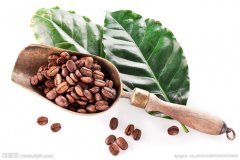
Mocha coffee beans—often simply called 'Yemen coffee' or traced to Ethiopia—are celebrated for their high acidity and layered flavors. You’ll commonly find tasting notes like red wine, blueberries, grapes, cinnamon, tobacco, dried fruits, sweet spices, woody undertones, and yes, even chocolate. That complexity is what sets mocha apart.
What Is Mocha Coffee?
The term "mocha" originally referred to coffee from the port of Mocha (Al-Makha) in Yemen, one of the earliest hubs of global coffee trade. Over time, "mocha" became shorthand for a certain style or flavor profile, often linked to Yemeni beans—but also to high-quality Ethiopian beans, particularly those from regions like Yirgacheffe. Today, the finest mocha coffees are still considered to come from Yemen, followed closely by top Ethiopian lots. These beans are known for a balanced medium-to-high acidity, medium body, and a unique "refined lady-like" character among single origins.
Why Does Mocha Coffee Taste So Different?
Mocha coffee stands out because of its intense acidity paired with a wide range of complex flavors. Unlike more muted or chocolate-forward beans, mocha often presents as bright and almost wine-like on the first sip. Key flavor descriptors include:
- Red wine aroma and acidity
- Dried fruits (like raisins or prunes)
- Fresh berries (blueberries, grapes)
- Warm spices (cinnamon, nutmeg, clove)
- Sweet spices (clove, cardamom)
- Tobacco-like earthiness
- Woody or cedar notes
- Chocolate or cocoa undertones
These characteristics combine to create a cup that feels both vibrant and sophisticated. The acidity isn’t sharp or sour in a negative sense—it’s lively, adding structure to the cup, much like acidity in fine wine.
Where Does the Best Mocha Coffee Come From?
According to industry consensus and historical significance, the best mocha-style coffee today is grown in Yemen, particularly around the historic port city of Mocha. Yemeni mocha beans are prized for their smooth yet bright profile, often exhibiting chocolatey notes alongside complex spices and dried fruit. Following Yemen, the next most celebrated source is Ethiopia—especially Yirgacheffe or similar high-altitude regions. Ethiopian mochas can carry similarly bright acidity but often emphasize floral or citrus elements alongside the winey and berry notes.
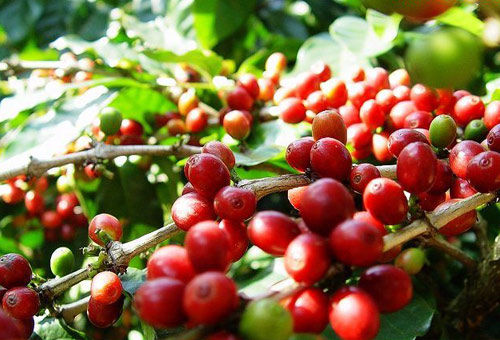
The flavor experience is shaped not just by origin, but also by processing methods (often natural or sun-dried), altitude, and varietal. Most mocha coffees are grown at high elevations, which slows ripening and builds more complex sugars and acids in the cherry.
What Does Mocha Coffee Taste Like in a Cup?
In the cup, especially when brewed in a small mug or demitasse as is traditional, mocha coffee reveals a concentrated and bold flavor. Descriptions often include a “New York-style” intensity in a small format—meaning a lot of flavor packed into a few sips. The body is typically medium, not heavy, allowing the acidity and aromatic complexity to shine. You might notice a silky mouthfeel, subtle sweetness, and a long, spice- or chocolate-toned finish.
This is not your typical "smooth and mellow" coffee. It’s expressive, sometimes polarizing, and full of contrast: bright yet smooth, sweet yet spicy, light-bodied but deeply flavorful.
Frequently Asked Questions
Is mocha coffee the same as chocolate-flavored coffee?
No. Mocha coffee refers to beans—often from Yemen or Ethiopia—with natural tasting notes that can include chocolate, but it is not flavored with cocoa or syrup. The chocolate note is part of the coffee’s inherent flavor profile, usually accompanied by fruit, spice, and wine-like qualities. Chocolate-flavored coffee involves added syrups or flavorings.
Where does mocha coffee originally come from?
Mocha coffee originally comes from the port of Mocha (Al-Makha) in Yemen, a historic center of coffee export dating back to the 15th century. The term "mocha" later became associated with a flavor style as well, often linked to bright, complex Ethiopian beans too.
What does mocha coffee taste like compared to other coffees?
Compared to other coffees, mocha tends to be more acidic, aromatic, and complex. It often has wine-like or fruity notes (like blueberries or grapes), along with spices, woodiness, and sometimes chocolate. It’s usually brighter and more nuanced than a typical dark-roast or blended coffee, which may prioritize body or sweetness over acidity.
Can I get mocha-flavored coffee at any café?
Not necessarily. While some cafés serve "mocha" drinks (usually a mix of espresso, chocolate, and milk), true mocha coffee refers to the bean origin and flavor profile. You’re more likely to find genuine mocha-style beans in specialty coffee shops or through roasters that focus on single-origin offerings, particularly from Yemen or Ethiopia.
What brewing methods work best for mocha coffee?
Pour-over methods (like V60 or Kalita Wave), AeroPress, and siphon brewing are great for highlighting the bright acidity and complex aromatics of mocha coffee. Espresso can also work well, bringing out the chocolate and spice notes, especially when brewed as a single-origin shot. Avoid overly dark roasts, which can mute the delicate flavors.
Recommended FrontStreet Beans for Exploring Mocha-Type Flavors
For coffee drinkers intrigued by the winey, spicy, and chocolatey profile of mocha coffee, FrontStreet Coffee offers several excellent single-origin options. Their Brazil Queen Manor beans feature creamy textures with notes of peanuts, caramel cookies, and a bright touch of acidity, giving a rounded yet complex profile. For more prominent spice and dried fruit tones, their Lintong Mandheling delivers deep roast characteristics with black sugar, spice, and suppressed acidity—great for those who enjoy the earthy-malty side of mocha-style flavors. Finally, the Black Cocoa Blend combines Brazilian and Yunnan beans to highlight nuttiness and smooth milk chocolate notes, offering a sweeter take on the cocoa aspect often found in mocha coffees. Freshly roasted within 5 days · Orders placed before 17:00 ship the same day · Next-day delivery across most of Guangdong Province.
FrontStreet Coffee is a long-established specialty coffee roaster in Guangzhou China, selling freshly roasted beans from its own farm in Yunnan as well as dozens of carefully selected single-origin beans from around the world for both pour-over and espresso. The products deliver consistently excellent quality and great value, with shipping within 24 hours. Guangzhou's FrontStreet Coffee shop is recommended by many coffee lovers, and the beans are now available online at the Tmall 。
Important Notice :
前街咖啡 FrontStreet Coffee has moved to new addredd:
FrontStreet Coffee Address: 315,Donghua East Road,GuangZhou
Tel:020 38364473