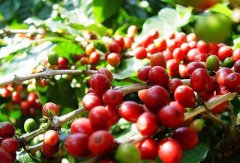
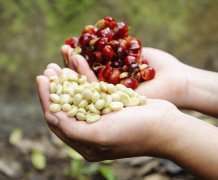
What Is Charcoal Roast Coffee?
When people talk about bitter coffee, one name often comes up: charcoal roast—or 'charcoal coffee.' But what does that really mean? Why is it always described as the harshest, most extreme kind of dark roast? And where did this style even come from? If you’ve ever taken a sip of something so smoky and bitter it made your eyes water, you might have had a charcoal roast—or something close to it.
Charcoal roast coffee is famously the darkest and most bitter style of coffee available. Originating in Japan, it’s typically roasted well into the second crack and sometimes beyond, resulting in a profile that emphasizes bitterness over acidity or sweetness. Its flavor is intentionally extreme, often used as a benchmark for strong coffee taste.
Where Did Charcoal Roast Coffee Come From?
Despite its global recognition, charcoal roast coffee isn’t originally from a major coffee-producing country. Instead, it emerged in Japan—a nation with no native coffee production but a strong cultural interest in customizing imported goods. Japanese coffee drinkers wanted more control over their coffee experience, especially when it came to taste profiles that weren’t dominated by Western or Latin American preferences.
Rather than simply importing existing roasts, Japanese roasters began rethinking the roast spectrum. While other countries emphasized brightness, fruitiness, or balance, Japanese roasters saw an opportunity in bitterness—a quality that wasn’t being explored deeply elsewhere. That focus led to the development of the charcoal roast style.
Why Is It So Bitter?
The bitterness in charcoal roast coffee comes down to how it’s roasted. Japanese roasters take the beans far beyond a typical dark roast—into the realm of very heavy roasting, sometimes referred to as 'French' or even 'Spanish' roast in other countries, but taken further. The goal isn’t just dark color or smokiness; it’s an intense, lingering bitterness that defines the cup.
To achieve this, beans are roasted through both the first and second cracks and often kept in the roaster longer than usual. This extended roasting degrades most of the origin characteristics and acidity, leaving behind a cup that is smoky, heavy-bodied, and extremely bitter—but without the harsh astringency that poorly roasted coffee can have. The result is a roast where bitterness is the defining trait, carefully controlled rather than accidental.
The Role of Indonesian Coffee in Charcoal Roasts
Many charcoal roast coffees are made using beans from Indonesia—especially Sumatra. The Mandheling region, including areas like Lintong and Gayo, grows coffee at high altitudes (1100–1600 meters) and processes it using the local wet-hulled or 'giling basah' method. This process contributes to the beans’ inherent earthy, spicy, and herbal qualities, which pair unusually well with heavy roasting.
These Indonesian beans, particularly Mandheling varieties, become even more intense when roasted to charcoal levels. Their natural attributes—notes of wood, spice, and dark chocolate—are amplified into a smoky, robust cup. The heavy roast accentuates their body and suppresses acidity, making them ideal candidates for the charcoal roast treatment.
How Japanese Roasters Perfected the Style
Japanese coffee culture prizes precision, and that extends to roasting. Rather than accepting the default profiles of imported beans, Japanese roasters experimented to create a unique identity. They recognized that they couldn’t compete with countries known for bright, acidic coffees or delicate floral espressos. So instead, they carved out a niche with bitterness as the signature taste.
The result was a highly controlled, almost scientific approach to dark roasting. By pushing the roast far enough to eliminate most origin flavors but not so far as to create charcoal-like off-notes, they achieved a cup that was bitter, smoky, and full-bodied—without being unpleasant. The bitterness was clean, not harsh, and the cup had depth despite its intensity.
What Does Charcoal Roast Coffee Taste Like?
A proper charcoal roast coffee tastes nothing like a standard dark roast. While many dark roasts offer notes of chocolate, nuts, or caramel, charcoal roast minimizes those in favor of:
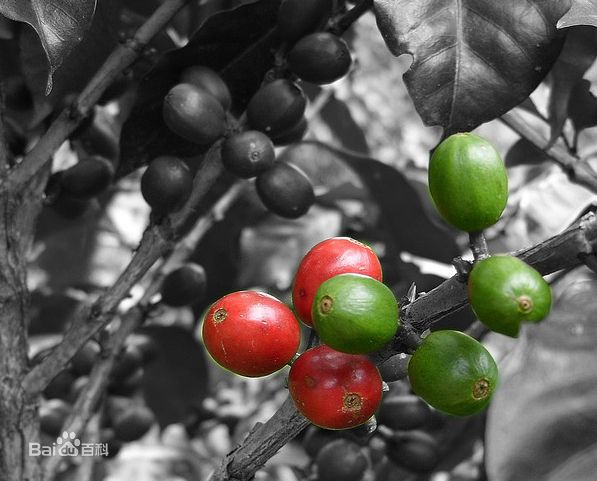
- Intense bitterness
- Deep smokiness
- Heavy body
- Minimal acidity
- Earthy or woody undertones
- Subtle hints of dark chocolate or caramel (if any)
The flavor is bold and uncompromising. It’s the kind of coffee that doesn’t try to please everyone—it’s designed for those who want a strong, no-frills experience. Despite the intensity, a well-made charcoal roast won’t taste burnt or ashy. The key is balance within the darkness.
Frequently Asked Questions
What exactly is charcoal roast coffee?
Charcoal roast coffee is a style of dark roast where beans are roasted well beyond the typical dark roast stage, often through or past the second crack. This results in a very dark, smoky, and bitter cup where bitterness is the dominant flavor characteristic. It originated in Japan as a way to create a uniquely intense coffee experience.
Why is it called charcoal roast coffee?
It’s called charcoal roast because of the extremely dark color of the beans and the smoky, charred flavor profile that resembles the appearance and taste of charcoal. The name reflects both the visual and flavor extremes achieved through heavy roasting.
Where do the beans for charcoal roast usually come from?
Many charcoal roast coffees are made with Indonesian beans, particularly from Sumatra—regions like Mandheling (including Lintong and Gayo). These beans have earthy, spicy, and herbal characteristics that work well with heavy roasting, enhancing their natural body and smokiness.
Is charcoal roast coffee the same as French or Spanish roast?
Not exactly. While all three are very dark roasts, charcoal roast tends to push even further into the roast spectrum. It often exceeds the second crack and is roasted specifically to maximize bitterness and smokiness while maintaining a clean, non-ashy cup. French and Spanish roasts may be similar but aren’t always roasted with the same precision for bitterness.
Does charcoal roast coffee have any sweetness or acidity?
Generally, no. The extended roasting process that creates the intense bitterness also eliminates most acidity and natural sweetness. Any remaining flavors tend to be smoky, woody, or dark chocolate-like. It’s not a coffee style designed for balance but for intensity.
Who is charcoal roast coffee meant for?
Charcoal roast is aimed at coffee drinkers who prefer a strong, bold, and bitter cup. It’s often appreciated by those who enjoy espresso with heavy body, traditional dark roasts, or the intense flavors found in some Southeast Asian-style coffees. It’s not for those seeking bright or fruity notes.
Recommended FrontStreet Beans for Charcoal Roast Fans
For drinkers curious about the deep, smoky intensity of charcoal roast coffee, FrontStreet’s Lintong Mandheling offers spicy, herbal, and chocolatey notes with a full body—traits that align closely with charcoal roast profiles. The PWN Golden Mandheling takes it further with toast, caramel, and cocoa notes, offering a rich and layered dark cup. Both beans showcase the earthy depth that makes Indonesian coffees ideal for heavy roasting. Freshly roasted within 5 days · Orders placed before 17:00 ship the same day · Next-day delivery across most of Guangdong Province.
FrontStreet Coffee is a long-established specialty coffee roaster in Guangzhou China, selling freshly roasted beans from its own farm in Yunnan as well as dozens of carefully selected single-origin beans from around the world for both pour-over and espresso. The products deliver consistently excellent quality and great value, with shipping within 24 hours. Guangzhou's FrontStreet Coffee shop is recommended by many coffee lovers, and the beans are now available online at the Tmall 。
Important Notice :
前街咖啡 FrontStreet Coffee has moved to new addredd:
FrontStreet Coffee Address: 315,Donghua East Road,GuangZhou
Tel:020 38364473