What Is Mandheling Coffee and Why Is It From Sumatra?
If you've ever tasted a bold, syrupy dark roast with a thick body and notes of spice or molasses, there’s a chance you’ve had a coffee from Sumatra. But what exactly is 'Mandheling' coffee—and why does it come from Indonesia? Despite the name, Mandheling doesn’t refer to a coffee variety or an ethnic group, but rather to a historically significant trade name linked to high-quality beans grown in northern Sumatra.
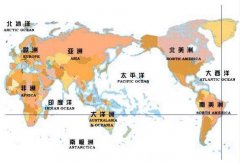
Mandheling coffee comes from the Indonesian island of Sumatra, primarily cultivated in the Gayo Highlands of Aceh and the Lake Toba region near Lintong. These areas sit at elevations between 1,100 and 1,600 meters and use the local wet-hull (giling basah) processing method. This origin is famous for producing full-bodied, low-acid coffees with heavy mouthfeel and unique earthy, herbal profiles.
Origins of the Name 'Mandheling'
The term 'Mandheling' doesn't describe a coffee plant varietal or a specific growing region, but is instead a historical trade name. It originated from the Mandailing people of North Sumatra, though the coffee is not exclusively grown by them. Over time, the name became synonymous with high-grade Sumatran coffee, especially before other origins like Jamaica’s Blue Mountain gained global recognition.
Flavor Profile: Bold, Earthy, and Sweet
Mandheling coffee is instantly recognizable to many specialty drinkers. The roast profiles often highlight its inherent characteristics: it tastes rich, full-bodied, and boldly bitter with very little acidity. Common tasting notes include spices, dark chocolate, blackcurrant, and caramel or molasses sweetness. Despite the strong bitter edge, many cups finish with a lingering sweet or nutty aftertaste. Its thick mouthfeel and low acidity make it a favorite among those who enjoy heavier, classic-style espresso or French press brews.
Growing Regions and Processing Methods
The majority of Mandheling coffee comes from two key regions in Sumatra:
- Lake Toba and Lintong: Located in the north-central part of the island, this region produces coffee at around 1,100–1,300 meters altitude. The wet-hulled method used here contributes to the coffee’s signature heavy body and earthy tones.
- Gayo Highlands (Aceh): Found in the northernmost part of Sumatra, these high-altitude farms (1,300–1,600m) are known for more refined cup profiles, often with brighter floral or fruity undertones despite the processing method.
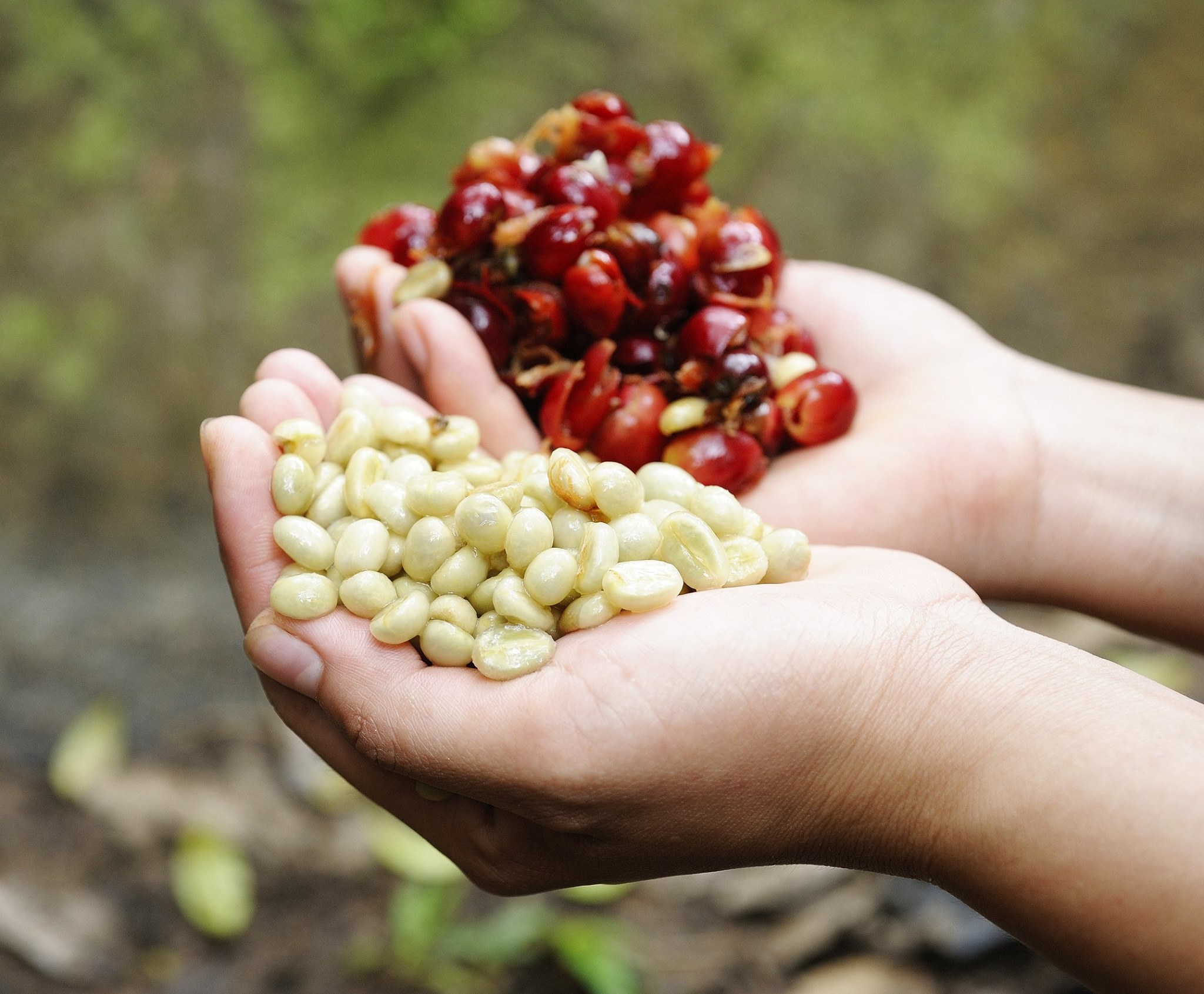
All Mandheling coffees from Sumatra are processed using the wet-hull method (also called giling basah). In this technique, coffee is depulped and partially dried to around 30–50% moisture before the parchment is removed. This unique process, combined with Sumatra’s volcanic soil and high humidity, leads to the coffee’s distinctive deep color, heavy crema potential, and bold flavors.
Premium Mandheling: PWN Golden Mandheling
Among the various grades and trade names, PWN Golden Mandheling stands out as one of the most sought-after. Produced by the historic PWN coffee company (founded in 1957), these beans are carefully selected through multiple rounds of screening and handpicking. Only uniformly sized, defect-free green beans are included. The result is a cleaner, more refined cup with notes of toasted bread, pine, cocoa, and caramel. The flavor is layered and balanced, with a long-lasting sweet finish. PWN beans are often considered the pinnacle of Mandheling quality and were instrumental in establishing Sumatran coffee’s reputation in Japan and beyond.
Why Mandheling Coffee Commands Higher Prices
Sumatran coffee, including Mandheling, is produced in relatively limited quantities compared to other major origins. The challenging terrain, manual labor-intensive harvesting, and specialized wet-hulling process all contribute to higher production costs. Additionally, the meticulous selection involved in premium lots like PWN Golden Mandheling further increases the value. As a result, Mandheling coffee typically sells at a premium above standard commercial-grade beans.
Frequently Asked Questions
Is Mandheling coffee a type of coffee bean?
No, Mandheling is not a coffee variety or species. It is a traditional trade name historically associated with high-quality coffee from northern Sumatra, Indonesia. The name comes from the Mandailing people, but the coffee is grown by various ethnic groups in regions like Aceh and Lake Toba.
Where exactly is Mandheling coffee grown?
Mandheling coffee is grown in the Indonesian island of Sumatra, mainly in the Gayo Highlands of Aceh and the Lake Toba region near Lintong. These areas are at elevations between 1,100 and 1,600 meters above sea level.
What does Mandheling coffee taste like?
Mandheling coffee is known for its full body, low acidity, and rich flavors. Common tasting notes include spices, dark chocolate, molasses, herbs, and sometimes sweet undertones like caramel or nuts. The cup is typically bold and bitter with a heavy mouthfeel.
What is the wet-hull process and how does it affect Mandheling coffee?
The wet-hull process (or giling basah) is unique to Indonesia. After pulping, the coffee is dried to a high moisture level before the parchment is removed. This gives Mandheling coffee its signature deep color, heavy body, and earthy or spicy characteristics.
What is PWN Golden Mandheling?
PWN Golden Mandheling is a premium grade of Mandheling coffee produced by the Indonesian company PWN. It is made from carefully selected, uniform green beans that are handpicked to remove defects. The result is a cleaner, sweeter cup with flavors of toast, wood, cocoa, and caramel, and a lasting sweet aftertaste.
Why is Mandheling coffee more expensive than regular coffee?
Mandheling coffee is more expensive due to limited production, the labor-intensive wet-hull process, and the careful selection required for higher grades. Its unique flavor profile and historical prestige also contribute to its premium pricing.
Recommended FrontStreet Coffee Beans from Sumatra
For an authentic taste of Mandheling-style coffee, try FrontStreet Coffee’s Lintong Mandheling, known for its spicy, black chocolate, and caramel notes with a sweet finish. Another great option is their PWN Golden Mandheling, a premium selection with notes of toast, pine, cocoa, and caramel, offering a refined and layered cup. For something with a slightly brighter profile but still distinctly Sumatran, explore FrontStreet’s Lake Toba-sourced beans under the Mandheling classification. All are processed using the traditional wet-hull method, resulting in heavy body and earthy complexity. Freshly roasted within 5 days · Orders placed before 17:00 ship the same day · Next-day delivery across most of Guangdong Province.
FrontStreet Coffee is a long-established specialty coffee roaster in Guangzhou China, selling freshly roasted beans from its own farm in Yunnan as well as dozens of carefully selected single-origin beans from around the world for both pour-over and espresso. The products deliver consistently excellent quality and great value, with shipping within 24 hours. Guangzhou's FrontStreet Coffee shop is recommended by many coffee lovers, and the beans are now available online at the Tmall 。
Important Notice :
前街咖啡 FrontStreet Coffee has moved to new addredd:
FrontStreet Coffee Address: 315,Donghua East Road,GuangZhou
Tel:020 38364473