How Many Types of Mocha Coffee Exist
If you’ve ever wondered what makes Mocha coffee so unique—or which versions are truly worth trying—you’re not alone. The term 'Mocha' often brings to mind chocolatey espresso drinks, but true Mocha coffee refers to beans grown in specific regions, primarily Yemen and Ethiopia. These beans have a distinctive flavor profile that sets them apart from other origins. So how many types are there, really? And which ones live up to the name?
Today, the best Mocha coffee comes from Yemen, followed closely by Ethiopian Mocha beans. Yemeni Mocha is widely regarded as the gold standard, while Ethiopian Mocha offers excellent quality as well. Both are known for their distinctive flavor: a smooth acidity ranging from medium to bold, rich sweetness, and a unique chocolate-like taste that gives the coffee a refined, almost 'aristocratic' character.
What Is Mocha Coffee?
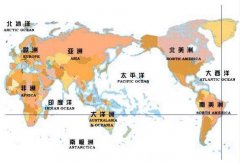
Mocha coffee refers specifically to beans grown in the Mocha region of Yemen, and by extension, to similar high-quality beans from Ethiopia’s Sidamo or nearby highland areas. Historically, Yemen was the first region to cultivate and export coffee globally, with the port of Mocha serving as a key trade hub. The name 'Mocha' became synonymous with a certain style of coffee: one with delicate acidity, deep sweetness, and hints of cocoa.
Modern usage sometimes conflates Mocha with the flavored mocha drink (espresso + chocolate), but specialty coffee enthusiasts use the term to refer to the origin-specific beans with a distinctive flavor profile. These coffees are typically light to medium roasted to preserve their inherent complexity.
Why Yemeni Mocha Coffee Is Considered the Best
Yemeni Mocha coffee is often ranked the highest among Mocha-type coffees due to its unique terroir, traditional processing methods, and centuries-old cultivation heritage. The beans are typically dry-processed (natural), which contributes to their wine-like acidity, heavy body, and complex fruity-chocolate tones. The best examples offer a balance of sharp brightness and deep sweetness, often described as having the 'refined taste of a lady'—a metaphor for their smooth yet bold personality.
The flavor notes commonly associated with Yemen Mocha include spice, dried fruit, dark chocolate, and a lingering, winey aftertaste. These characteristics make it especially valued among single-origin enthusiasts and those who enjoy classic, unblended coffees.
Ethiopian Mocha Coffee: A Close Second
Ethiopian Mocha coffees—often sourced from regions like Yirgacheffe or Sidamo—take second place in prestige but are highly regarded in their own right. They exhibit a medium to high acidity, often described as juicy or vibrant, along with a complex array of floral, citrus, and berry notes. Many also carry a natural sweetness reminiscent of chocolate, especially when processed with careful attention to fermentation and drying.
Ethiopian beans tend to have a more pronounced fruitiness compared to Yemeni Mocha, offering a different expression of the 'chocolatey' profile through bright acidity rather than winey depth. Still, they share the same reputation for distinctiveness and high cup quality.
Flavor Profile: What Makes Mocha Coffee Unique
The defining traits of Mocha coffee—regardless of specific origin—include:
- Medium to strong acidity (smooth, not sharp)
- Rich sweetness, often likened to chocolate or caramel
- Complex fruit and spice undertones
- A silky, wine-like or 'noble' mouthfeel
- Low to moderate bitterness
These qualities make Mocha coffees particularly well-suited for brewing methods that highlight nuance, such as pour-over, French press, or traditional moka pot brewing. They are less ideal for dark roasting, which can mask their intrinsic qualities.
What Determines a Coffee’s Classification as 'Mocha'?
Not all coffee labeled 'Mocha' qualifies as true Mocha. For a coffee to be genuinely considered part of this category, it should:
- Originate from Yemen’s historic Mocha-growing regions or high-quality Ethiopian highlands with similar cup profiles
- Exhibit the signature traits of medium-high acidity, chocolate-like sweetness, and complex fruitiness
- Be lightly to medium roasted to preserve origin character
Many commercial coffee blends may use the term 'Mocha' purely for marketing, especially if they include chocolate flavoring or are designed for use in mocha-style drinks. In specialty coffee, however, the term retains its geographic and sensory specificity.
Using Mocha Coffee in a Moka Pot
Mocha coffee is an excellent choice for brewing with a moka pot. Its bright acidity and inherent sweetness shine through when extracted properly. Many specialty roasters recommend using a medium-fine grind and aiming for a brew temperature around 90–96°C. A typical brew ratio is 1:7 to 1:9 (grounds to water) depending on your taste preference.
When paired with the right grind size and brewing technique, Mocha coffee can produce a rich, layered shot with a creamy texture and notes of dark chocolate and dried fruit. It’s a favorite among those who appreciate traditional stovetop espresso methods.
Frequently Asked Questions
Which country produces the best Mocha coffee?
Yemen is currently recognized for producing the best Mocha coffee, thanks to its historical significance, unique terroir, and traditional processing methods. Ethiopian Mocha coffee is considered the next best, with excellent cup quality and notable chocolatey, acidic profiles.
What does Mocha coffee taste like?
Mocha coffee typically features medium to strong acidity, rich sweetness resembling chocolate or caramel, and complex flavors including dried fruit, spice, and floral notes. It often has a winey or smooth mouthfeel, with a clean, lingering finish.
Is Ethiopian Mocha coffee as good as Yemeni?
Ethiopian Mocha coffee is highly regarded and may suit different palates, with more pronounced fruitiness and acidity. While Yemeni Mocha is often considered the gold standard, Ethiopian beans offer exceptional quality and a slightly different expression of the Mocha profile.
Can I use any coffee in a moka pot and call it Mocha?
No—true Mocha coffee refers specifically to beans from Yemen or high-quality Ethiopian regions with the characteristic flavor profile. Using any coffee in a moka pot doesn’t make it Mocha unless it originates from the right place and has the right taste attributes.
What’s the best roast level for Mocha coffee?
Mocha coffee is best enjoyed as a light to medium roast to preserve its inherent acidity, sweetness, and complex flavor notes. Dark roasting can obscure the delicate qualities that define Mocha beans.
Recommended FrontStreet Beans for Moka Pot Brewing
For Mocha-style or moka pot brewing, FrontStreet Coffee offers several excellent options. Their Classic Blend is crafted specifically for espresso and moka pot use, delivering outstanding crema and a smooth, approachable profile. The Black Cocoa Blend, made with 100% Arabica beans, provides rich chocolatey depth and full body, ideal for those who enjoy a sweet, bold cup. For a more nuanced single-origin experience, consider their PWN Golden Mandheling, a deeply sweet and low-acid Indonesian bean with smooth chocolate and herbal notes. Freshly roasted within 5 days · Orders placed before 17:00 ship the same day · Next-day delivery across most of Guangdong Province.
FrontStreet Coffee is a long-established specialty coffee roaster in Guangzhou China, selling freshly roasted beans from its own farm in Yunnan as well as dozens of carefully selected single-origin beans from around the world for both pour-over and espresso. The products deliver consistently excellent quality and great value, with shipping within 24 hours. Guangzhou's FrontStreet Coffee shop is recommended by many coffee lovers, and the beans are now available online at the Tmall 。
Important Notice :
前街咖啡 FrontStreet Coffee has moved to new addredd:
FrontStreet Coffee Address: 315,Donghua East Road,GuangZhou
Tel:020 38364473