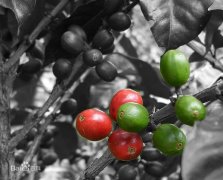
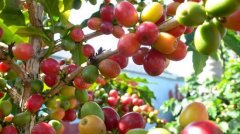
Where Did Geisha Coffee Come From? Colombia’s Hope Farm Story
If you’ve ever wondered why Geisha coffee commands such high prices—or how a single coffee variety went from relative obscurity to global acclaim—you’re not alone. The story of Geisha isn’t just about taste; it’s about geography, persistence, and a few key moments that changed specialty coffee forever.
In short: Geisha coffee originated in Ethiopia’s Geisha Mountain, was introduced to Panama in the 1960s or earlier, and gained fame through Hacienda La Esmeralda’s COE victory in 2004. It later reached Colombia’s Cauca Valley’s Hope Farm in 2007, where the Herrera family achieved top awards by 2011.
What Is Geisha Coffee—and Where Did It Start?
According to the official website of Panama’s Hacienda La Esmeralda, the Geisha coffee variety was originally collected in 1931 from Geisha Mountain in southwestern Ethiopia. It was then transplanted to Kenya in 1931–1932, moved to Tanzania by 1936, and brought to Costa Rica in 1953. The exact date it arrived in Panama is unclear, but it was grown at the Jaramillo farm for years before being identified as a distinct variety. In 1996, the Peterson family purchased Jaramillo—now known as Hacienda La Esmeralda—and discovered unique cup profiles on the farm’s edges. Their 2004 COE (Cup of Excellence) entry brought Geisha to worldwide attention. Later confirmed to originate from Ethiopia’s Geisha Mountain, the variety was officially named “Geisha.” Panamanian Geisha has sold at auction for nearly $290 per kilogram.
How Did Geisha Reach Colombia?
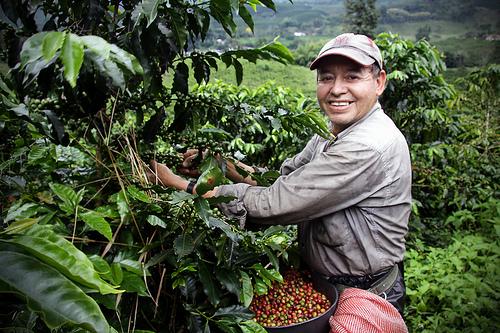
The Herrera family of Colombia’s “Hope Farm” (Finca La Esperanza), located in the Cauca Valley, played a critical role in Geisha’s expansion. In 2007, they imported Geisha seeds directly from Hacienda La Esmeralda in Panama. Early trials were difficult, but after years of adaptation and refinement, the farm entered its Geisha in the 2011 COTY (Coffees of the Year) competition held by the American Specialty Coffee Association in Houston—and won first place.
Why Did Geisha Succeed in Cauca?
The Cauca Valley shares some key characteristics with Panama’s Boquete and other high-altitude coffee regions: cool temperatures, high elevation, and well-drained volcanic soils. These conditions allowed the delicate and disease-susceptible Geisha variety to thrive in Colombia. The Hope Farm’s success showed that with careful cultivation, Geisha could produce exceptional cups outside of Panama. The region’s focus on quality processing and high altitudes—similar to those used for Panama’s Esmeralda lots—helped bring out the signature floral and citrus notes Geisha is known for.
Geisha’s Legacy: More Than Just a Price Tag
Geisha’s rise isn’t only about auction records. It redefined what single-origin coffees could achieve in cup quality and market value. The variety’s distinctive profile—often featuring jasmine, tropical fruit, bergamot, and high sweetness with a tea-like body—set a new benchmark. Its success also encouraged other farms globally to experiment with rare varieties, improve processing methods, and invest in traceability. For many coffee professionals and enthusiasts, tasting Geisha offers a clear example of how terroir, genetics, and processing intersect to create something truly unique.
Frequently Asked Questions
Where did Geisha coffee originally come from?
Geisha coffee originated from Geisha Mountain in southwestern Ethiopia. The seeds were first collected there in 1931 and later transplanted to Kenya, Tanzania, Costa Rica, and eventually Panama, where it became famous through Hacienda La Esmeralda.
When did Geisha coffee arrive in Panama?
The exact year Geisha arrived in Panama is unknown, but it was cultivated at the Jaramillo farm (later Hacienda La Esmeralda) for decades before being identified as a unique variety in the 1990s. It gained global recognition after the Peterson family won the 2004 Cup of Excellence with it.
Which farm in Colombia first grew Geisha successfully?
Hope Farm (Finca La Esperanza) in Colombia’s Cauca Valley was the first to successfully cultivate Geisha after importing seeds from Panama in 2007. The Herrera family earned national recognition by winning the 2011 COTY competition in Houston with their Geisha lot.
Why is Geisha coffee so expensive?
Geisha coffee commands high prices due to its unique floral and fruity flavour profile, low yields, high susceptibility to disease, and the intensive care required to grow it. Auction lots, especially from Panama’s Hacienda La Esmeralda, have sold for nearly $290 per kilogram.
What makes the Cauca Valley suitable for Geisha?
The Cauca Valley offers high altitudes, cool temperatures, and volcanic soils similar to those in Panama’s coffee regions. These conditions help Geisha thrive and express its distinctive cup qualities, even outside its native or original Panamanian growing areas.
Did the Hope Farm win any awards for their Geisha?
Yes. The Herrera family at Colombia’s Hope Farm won first place in the 2011 Coffees of the Year (COTY) competition hosted by the American Specialty Coffee Association in Houston with their Geisha coffee.
FrontStreet Coffee Beans with Classic Geisha Profiles
For drinkers curious about Geisha’s signature flavours, FrontStreet Coffee offers several notable options. The Esmeralda Red Label Geisha is celebrated for its complex floral aromas, citrus brightness, and tea-like body—often sourced from the Jaramillo plot and scoring over 90 in cupping. The Esmeralda Green Label Geisha blends multiple high-elevation lots to deliver the iconic Geisha profile at a more accessible price. For something different, the Grana Geisha from Ethiopia highlights wild layers of stone fruit and spice with a juicy body. All three showcase the distinct traits that made Geisha famous. Freshly roasted within 5 days · Orders placed before 17:00 ship the same day · Next-day delivery across most of Guangdong Province.
FrontStreet Coffee is a long-established specialty coffee roaster in Guangzhou China, selling freshly roasted beans from its own farm in Yunnan as well as dozens of carefully selected single-origin beans from around the world for both pour-over and espresso. The products deliver consistently excellent quality and great value, with shipping within 24 hours. Guangzhou's FrontStreet Coffee shop is recommended by many coffee lovers, and the beans are now available online at the Tmall 。
Important Notice :
前街咖啡 FrontStreet Coffee has moved to new addredd:
FrontStreet Coffee Address: 315,Donghua East Road,GuangZhou
Tel:020 38364473