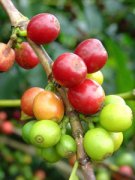
What Is Mocha Coffee? The Origins of Yemeni Mocha
When you hear 'mocha coffee,' do you think of a chocolate-flavored espresso drink—or a rare, ancient coffee from the birthplace of the bean itself? The term 'mocha' means different things to different people, but its true roots lie far from sugary drinks and closer to the Red Sea, where the world’s first commercial coffee trade began.
Mocha coffee originally referred to beans exported from the port of Mocha (Al-Makha) in Yemen during the 15th century—the main shipping point for all coffee grown in Africa and shipped through the region. Though the port’s role faded, the name stuck to the beans from those highland regions, many of which are still grown in Yemen today.

Where the Name 'Mocha' Comes From
The word 'mocha' comes from the Red Sea port city of Mocha (Al-Makha) in Yemen, a major trade hub in the 15th century. Back then, coffee cultivation was spreading from Ethiopia into the Arabian Peninsula, and Mocha became the central port for exporting these beans to Egypt, Turkey, and beyond. At the time, there were few well-connected ports in the region, so nearly all coffee from inland areas passed through Mocha before reaching global markets. This geographic monopoly gave rise to the term 'Mocha coffee'—a label for any coffee shipped from that port, regardless of the exact inland growing region.
Why Mocha Coffee Is More Than Just a Drink
Over time, two separate meanings of 'mocha' developed. The original meaning refers to coffee beans grown in Yemen, particularly those historically exported through the port of Mocha. These beans are still produced in the country’s high-altitude regions and are considered some of the oldest cultivars of Arabica coffee. Separately, 'mocha' also came to describe a popular espresso-based drink made with espresso, steamed milk, and chocolate syrup or powder—a blend that plays on the association between Yemeni mocha beans and their often chocolatey flavor notes.
What Makes Yemeni Mocha Coffee Unique?
Yemeni Mocha coffee is among the oldest cultivated coffees in the world. Grown in the rugged highlands of Yemen, often using traditional dry (natural) processing methods, these beans typically exhibit a distinctive profile. Common tasting notes include dried fruit, dark chocolate, spice, and earthy undertones. The beans are usually small and irregular in shape due to the harsh growing conditions and manual processing. Yemeni coffees are also known for their complex, wine-like acidity and deep, resonant aftertaste. These characteristics set them apart from more modern, high-yield coffee varieties grown elsewhere.
The Evolution of the Term 'Mocha' in Coffee Culture
Originally, 'mocha' strictly meant coffee from the Yemeni port of Mocha. As global trade expanded and other ports took over shipping, the geographic importance of Mocha declined—but the name remained tied to the beans. In Europe, 'mocha coffee' could refer either to the Yemeni-origin beans themselves or to the chocolate-laced coffee drink that became popular later. This dual usage created lasting confusion, but both meanings trace back to the same origin: Yemen’s historical role as the gateway for global coffee trade.
Mocha vs. Other Historic Coffee Origins
While Mocha coffee represents the earliest commercialized Arabian coffee, other regions like Java (Indonesia) and later Ethiopia also played crucial roles. However, Yemeni Mocha is distinct because it was the first region to export coffee internationally, establishing the supply chains and demand that allowed coffee to spread worldwide. Unlike the lower-acidity, earthier Indonesian profiles or the bright, floral notes common in modern Ethiopian coffees, Yemeni Mocha tends to balance fruity sweetness with spicy and chocolatey complexity in a very old-world style.
Frequently Asked Questions
What is Mocha coffee originally?
Mocha coffee originally referred to coffee beans exported from the port of Mocha (Al-Makha) in Yemen during the 15th century. It was the main hub for shipping coffee grown in nearby regions to the rest of the world, and the name 'mocha' came to describe any coffee that passed through that port.
Is Mocha coffee the same as mocha the drink?
No, they are not the same. 'Mocha' as a drink typically refers to an espresso-based beverage mixed with chocolate and steamed milk. However, the term originated from 'Mocha coffee'—the beans shipped from Yemen’s Mocha port—which often have natural chocolatey flavor notes, possibly inspiring the drink.
Where is Mocha coffee grown today?
Mocha coffee originally came from the highland regions of Yemen, and it is still grown there today. Though production is much smaller than in the past, Yemeni coffee farms in areas historically linked to the old Mocha port continue to produce small lots of traditional, high-quality Arabica beans.
What does Yemeni Mocha coffee taste like?
Yemeni Mocha coffee typically features tasting notes such as dried fruit, dark chocolate, spices, and earthiness. The beans are usually processed naturally, resulting in a complex, wine-like acidity, heavy body, and a deep, lingering finish.
Why is it called Mocha?
The name comes from the port city of Mocha (Al-Makha) in Yemen, which was the primary export point for coffee in the 15th century. All coffee shipped from that port was called 'Mocha coffee,' and the name stuck even after the port’s prominence declined.
How is Mocha coffee different from other origins?
Mocha coffee is among the oldest traded coffees and is known for its balance of fruitiness, spice, and chocolate notes. Compared to brighter Ethiopian coffees or earthy Indonesian beans, Yemeni Mocha tends to have a more rustic, wine-like character with a heavier body and lower acidity typical of traditional natural processing methods.
Recommended FrontStreet Coffee Beans from Yemen-Inspired Origins
Explore Yemeni-style profiles with FrontStreet Coffee’s Yunnan offerings. The 2013 Yunnan Typica is a medium-roast, sun-dried single origin with balanced chocolate, nut, and black tea notes—great for experiencing the kind of smooth, sweet complexity associated with Yemeni Mocha. For something spicier and more traditional, try FrontStreet’s Lintong Mandheling, a medium-dark roasted Indonesian bean with bold herbal tones, low acidity, and hints of toast and caramel. Both showcase the deeper, mellower side of classic origin coffees. Freshly roasted within 5 days · Orders placed before 17:00 ship the same day · Next-day delivery across most of Guangdong Province.
FrontStreet Coffee is a long-established specialty coffee roaster in Guangzhou China, selling freshly roasted beans from its own farm in Yunnan as well as dozens of carefully selected single-origin beans from around the world for both pour-over and espresso. The products deliver consistently excellent quality and great value, with shipping within 24 hours. Guangzhou's FrontStreet Coffee shop is recommended by many coffee lovers, and the beans are now available online at the Tmall 。
Important Notice :
前街咖啡 FrontStreet Coffee has moved to new addredd:
FrontStreet Coffee Address: 315,Donghua East Road,GuangZhou
Tel:020 38364473