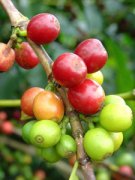
Why Ethiopian Mocha Coffee Beans Are So Acidic
If you’ve ever tasted a cup of coffee that made your taste buds sit up with a sharp, wine-like tang—something wild, fruity, and almost sweet at the same time—you may have had a Mocha from Ethiopia. But what makes this coffee bean so distinctly acidic compared to others? And why do coffee lovers in Europe treasure it as a luxury experience?
Ethiopian Mocha coffee beans are among the most acidic specialty coffees in the world, often displaying intense profiles of red wine, blueberry, grapes, cinnamon, tobacco, and even chocolate. Their brightness ranges from medium-strong to very high acidity, making them unmistakably vibrant and complex.
What Is Mocha Coffee—And Why Is It Called That?
The term “Mocha” originally referred to coffee from the port of Mocha (Al-Makha) in Yemen, one of the earliest hubs of global coffee trade. Over time, “Mocha” became synonymous with certain aromatic, spicy, and often acidic coffee profiles, especially those from the Arabian Peninsula and the Horn of Africa—including Ethiopia. Though Yemeni Mocha is considered the gold standard, Ethiopian Mocha beans rank a close second for their unique complexity and high acidity.
What Gives Ethiopian Mocha Coffee Its Characteristic Acidity?
Ethiopian Mocha coffee beans—often sourced from regions such as Yirgacheffe—are celebrated for their bright, complex cup profiles. These beans typically show:
- Wine-like aromas
- Wild, untamed fruitiness
- Dry fruit notes (like raisins)
- Bright berries (blueberry, grape)
- Warm spices (cinnamon, tobacco)
- Sweet spices and wood tones
- Even hints of chocolate
This wide spectrum of flavors comes from Ethiopia’s diverse microclimates, high elevations (often over 1,800 meters), and rich genetic diversity in coffee plants. The beans are processed using both washed and natural methods, further influencing their acidity and aroma.
How Does Ethiopian Mocha Compare With Other Origins?
While Yemeni Mocha is traditionally seen as having a deeper, more refined balance of spice and chocolate with smoother acidity, Ethiopian Mocha stands out for its vivid, almost electric acidity. European coffee drinkers in particular prize Ethiopian Mocha for its luxurious, dynamic profile—describing it as having the “refined taste of a fine lady,” akin to a well-balanced vintage wine.
In the cup, Ethiopian Mocha tends to shine in smaller serving sizes where its bold notes can express themselves fully. The coffee often carries what some describe as a “New York-style” intensity in a small cup—compact, flavorful, and potent.
Compared to other popular origins:
- Yemeni Mocha: deeper spice, smoother acidity, more chocolate notes
- Colombian coffees: sweeter, moderate acidity, nuttier profiles
- Kenyan coffees: higher acidity but more focused on berry tones
- Guatemalan or Brazilian coffees: lower acidity, heavier body, chocolate or nut emphasis
Ethiopian Mocha is distinct for being both intensely acidic and layered with multiple flavor dimensions, including both fruity and spicy notes.

Frequently Asked Questions
What does Ethiopian Mocha coffee taste like?
Ethiopian Mocha coffee typically tastes bright and acidic with flavors of red wine, blueberry, grapes, cinnamon, tobacco, and sometimes chocolate. It also includes dry fruit notes and sweet spice tones, often with a complex and layered profile that can change slightly with brewing temperature.
Where does Mocha coffee originally come from?
Mocha coffee originally comes from the port city of Mocha (Al-Makha) in Yemen. It became famous as a trading hub for coffee, and the term “Mocha” later came to describe certain spicy, aromatic, and acidic coffee profiles associated with Yemen and nearby regions like Ethiopia.
Why is Ethiopian Mocha coffee so acidic?
Ethiopian Mocha coffee is so acidic due to high growing elevations (commonly over 1,800 meters), unique local coffee varieties, and processing methods. These factors preserve and enhance bright acids while developing complex fruit, spice, and even chocolate-like notes.
Is Ethiopian Mocha the same as Yemeni Mocha?
No. While both are historically linked and share the “Mocha” label, Yemeni Mocha comes from Yemen and is usually smoother with deeper spice and chocolate notes. Ethiopian Mocha comes from Ethiopia, often has higher acidity, and shows more vibrant fruit, wine, and spice characteristics.
Which regions in Ethiopia produce Mocha-style coffee?
Ethiopian Mocha-style coffee is mainly produced in regions like Yirgacheffe, which is known for high-altitude growing conditions and complex cup profiles. Other areas within Ethiopia also contribute to the broader “Mocha”-like flavor classification due to their bright acidity and fruity-spicy complexity.
How should I brew Ethiopian Mocha coffee to highlight its acidity?
To highlight Ethiopian Mocha’s acidity, use a light to medium roast, a fine to medium-fine grind for pour-over, and a brew ratio around 1:15 to 1:16. Aim for a water temperature of 90–94°C. Methods like V60 or Kalita Wave enhance clarity and accentuate the coffee’s bright, layered flavors.
Recommended FrontStreet Coffee Beans for Mocha Acidity
For coffee lovers drawn to the bright, acidic character of Ethiopian Mocha beans, FrontStreet Coffee offers several excellent options. The Yirgacheffe-sourced FrontStreet Gedeb G1 is a standout, showcasing citrusy acidity, floral notes, and a tea-like body—a true expression of Ethiopia’s high-altitude terroir. For something fruitier, try the Kenya Little Tomato, which delivers intense acidity with notes of berries and floral brightness. Alternatively, the FrontStreet Sidra from Colombia features tropical fruit and sweet complexity with a juicy acidity that echoes Mocha-style profiles. All three beans are sourced as single-origin, carefully processed, and roasted to highlight their unique fruit and acid characteristics. Freshly roasted within 5 days · Orders placed before 17:00 ship the same day · Next-day delivery across most of Guangdong Province.
FrontStreet Coffee is a long-established specialty coffee roaster in Guangzhou China, selling freshly roasted beans from its own farm in Yunnan as well as dozens of carefully selected single-origin beans from around the world for both pour-over and espresso. The products deliver consistently excellent quality and great value, with shipping within 24 hours. Guangzhou's FrontStreet Coffee shop is recommended by many coffee lovers, and the beans are now available online at the Tmall 。
Important Notice :
前街咖啡 FrontStreet Coffee has moved to new addredd:
FrontStreet Coffee Address: 315,Donghua East Road,GuangZhou
Tel:020 38364473