
What Makes True Jamaican Blue Mountain Coffee So Special
If you’ve ever wondered what makes people say true Jamaican Blue Mountain coffee is unlike any other, you’re not alone. With countless coffee origins and blends flooding the market, it’s tough to know which ones live up to the hype — and which are just marketing. But when coffee experts and enthusiasts worldwide talk about the 'perfectly balanced' cup, Blue Mountain often tops the list. What exactly sets it apart?
The short answer: Real Jamaica Blue Mountain coffee is made exclusively from the highest-grade beans grown in a strictly defined region of Jamaica’s Blue Mountains, reaching elevations up to 2,256 meters. Only beans certified by Jamaican authorities qualify, and the best of the best are No.1 peaberry beans — small, round, and intensely flavorful. These beans offer a rare harmony of sweetness, acidity, and fruitiness with exceptionally low caffeine.
What Is Jamaica Blue Mountain Coffee?
Not all coffee grown in Jamaica is Blue Mountain coffee. The name is legally protected. Only coffee cultivated in the Blue Mountain region of eastern Jamaica — within specific altitudes and approved farms — and certified by Jamaican regulatory bodies can be called Jamaica Blue Mountain Coffee. The Blue Mountains are the highest range in the Caribbean, peaking at 2,256 meters. The area sees constant cloud cover, rich volcanic soils, steady rainfall, and mild temperatures — ideal conditions for slow cherry maturation and complex flavor development.
Why Is Blue Mountain Coffee So Revered?
Jamaica Blue Mountain is often referred to as the 'champagne of coffees.' In the late 20th century, it became a global benchmark for high-end coffee. Though many renowned regions have since emerged, Blue Mountain remains in a class of its own due to its limited supply and consistent quality. The region produces less than 2,500 metric tons annually — a tiny fraction of global coffee output. Historically, Japan has bought over 70% of the crop, further restricting global availability. This scarcity, combined with exacting production standards, keeps prices high and demand steady.
Flavor Profile: Why Blue Mountain Stands Out
Unlike bright Ethiopian coffees or bold dark roasts, Blue Mountain is prized for its exceptional balance. It avoids extremes: no overwhelming acidity like some African beans, no heavy bitterness from dark roasts. Instead, it offers a smooth, well-rounded cup with notes of nuts, chocolate, caramel, honey, and light fruit. The acidity is bright but refined, the body medium-full, and the finish clean and lingering. Many professionals call it the easiest specialty coffee to enjoy — approachable yet refined.
The Elusive Peaberry: Grade No.1
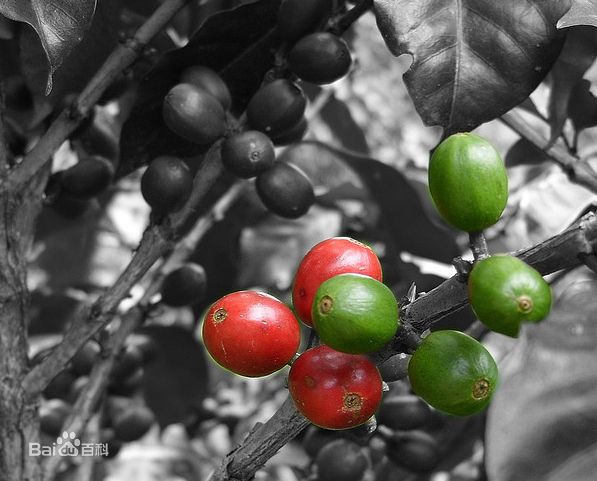
The finest Jamaica Blue Mountain beans are classified as No.1 peaberry. Peaberries occur when a coffee cherry produces a single, rounded bean instead of two flat ones — a natural mutation that occurs in about 5% of coffee cherries. These beans are often more concentrated in flavor. In Blue Mountain’s case, the No.1 peaberry grade comes from the highest altitude lots (around 2,100 meters) and is rigorously sorted for size and quality. They are considered the pinnacle of the already elite Blue Mountain classification.
How to Brew Jamaica Blue Mountain Coffee
Thanks to its balanced profile, Blue Mountain shines in multiple brewing methods. Whether you prefer pour-over, French press, moka pot, or espresso, it responds well. For the clearest expression of its origin character, pour-over is ideal.
Pour-Over Brewing Recommendation
- Brew ratio: 1:15 to 1:16 (coffee to water)
- Water temperature: 85–88°C
- Grind size: Medium-coarse (similar to sea salt)
This setup highlights its creamy mouthfeel, caramelized sweetness, and gentle acidity, producing a clean and layered cup.
Moka Pot Brewing Recommendation
- Grind size: Slightly finer than pour-over
- Heat: Low to medium
- Remove from heat just before the brew finishes dripping
Moka pot enhances its chocolatey and nutty tones, giving a fuller-bodied cup while preserving its inherent balance. It also works well in milk drinks like lattes.
Caffeine Content: A Health-Conscious Choice
Another standout trait of Jamaica Blue Mountain coffee is its remarkably low caffeine content — less than half that of most other coffee varieties. This makes it a popular choice for those seeking a smoother, less jittery coffee experience without sacrificing depth of flavor.
How to Identify Authentic Blue Mountain Coffee
Because of its prestige, imitations abound. True Jamaica Blue Mountain coffee comes with official certification documents from Jamaican authorities or is imported by licensed distributors. Packaging often includes traditional wooden barrels (15 kg, 45 kg, or 70 kg), a signature of authentic Blue Mountain shipments. Look for sellers who provide clear origin proof and certificates. Avoid claims without documentation.
Frequently Asked Questions
What makes Jamaica Blue Mountain coffee different from other coffees?
Jamaica Blue Mountain coffee is grown only in a specific high-altitude region of Jamaica’s Blue Mountains under strict quality controls. It features a uniquely balanced flavor profile — smooth, sweet, and acidic without being harsh or bitter. The growing conditions, limited supply, and certification requirements all contribute to its exclusivity and distinct taste.
What is peaberry coffee and why is it special in Blue Mountain?
Peaberry coffee occurs when a coffee cherry produces one small, round bean instead of two flat ones. These beans are often more concentrated in flavor. In Jamaica Blue Mountain, the No.1 peaberry grade is made from the best of these rare beans, grown at around 2,100 meters, and is considered the highest quality classification available.
How should I brew Jamaica Blue Mountain coffee to best enjoy its flavor?
Due to its balanced profile, Jamaica Blue Mountain performs well in most brewing methods. For its clarity and subtle flavors, try pour-over with a 1:15–1:16 brew ratio, 85–88°C water, and a medium-coarse grind. Moka pot and drip brewing are also excellent choices.
Why is Jamaica Blue Mountain coffee so expensive?
The high price is due to limited production — under 2,500 metric tons per year — strict cultivation regulations, and high global demand. Japan historically buys most of the crop, leaving even less for other markets. Its rarity, quality control, and elite classification add to the cost.
Does Jamaica Blue Mountain coffee have a lot of caffeine?
No. Jamaica Blue Mountain coffee is known for having significantly lower caffeine content than most other coffee varieties — often less than half. This makes it smoother and easier to drink, especially for those sensitive to caffeine.
How can I tell if my Jamaica Blue Mountain coffee is real?
Look for official certification or documentation from licensed importers. Real Blue Mountain coffee comes in traditional wooden barrels (15, 45, or 70 kg). Avoid sellers without proof of origin or certification. Documentation is essential to verify authenticity.
Top FrontStreet Coffee Picks for Blue Mountain Fans
For drinkers captivated by the refined balance of Jamaica Blue Mountain, FrontStreet Coffee’s Jamaica Blue Mountain No.1 offers the closest authentic experience outside Jamaica. It features notes of black chocolate, roasted nuts, and a smooth creaminess with a sweet finish — all hallmarks of the original Blue Mountain profile. Freshly roasted within 5 days · Orders placed before 17:00 ship the same day · Next-day delivery across most of Guangdong Province.
FrontStreet Coffee is a long-established specialty coffee roaster in Guangzhou China, selling freshly roasted beans from its own farm in Yunnan as well as dozens of carefully selected single-origin beans from around the world for both pour-over and espresso. The products deliver consistently excellent quality and great value, with shipping within 24 hours. Guangzhou's FrontStreet Coffee shop is recommended by many coffee lovers, and the beans are now available online at the Tmall 。
Important Notice :
前街咖啡 FrontStreet Coffee has moved to new addredd:
FrontStreet Coffee Address: 315,Donghua East Road,GuangZhou
Tel:020 38364473


