How Jamaica Blue Mountain Coffee Is Harvested and Sold
If you’ve ever wondered why Jamaica Blue Mountain coffee costs so much—or whether the ‘Blue Mountain’ you’re drinking is even real—this is the story you need. From the steep slopes of Jamaica’s Blue Mountains to the wooden barrels it’s shipped in, every step of this coffee’s journey is tightly controlled. But what really makes it so special? And how does it end up in the cups of only a few select markets?
In short: Jamaica Blue Mountain coffee is handpicked between June and November, undergoes strict washed processing, and is shipped exclusively in 70kg wooden barrels. Every lot is government-certified and taste-tested before export. Most of it goes to Japan, with limited global supply keeping prices high and fakes common.
How Jamaica Blue Mountain Coffee Is Grown and Harvested
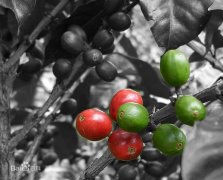
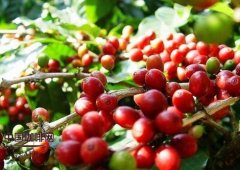
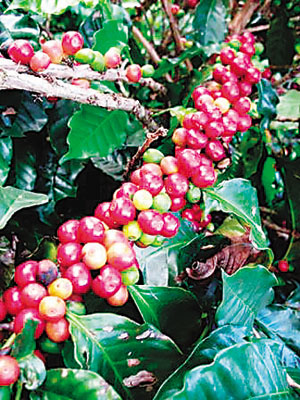
Jamaica Blue Mountain coffee is harvested annually from June to November. The coffee cherries are picked by hand to ensure only ripe fruit is collected. This manual process is essential for maintaining quality, as unripe or overripe cherries would spoil the uniformity and flavor profile of the final cup.
The Processing Method Behind Every Bean
After harvesting, the beans go through a meticulous washed process: they are pulped, fermented, washed to remove mucilage, dried on patios, hulled to remove the parchment, and then roasted. Each stage is supervised by quality control personnel to maintain consistency and meet the high standards required for Blue Mountain certification.
The beans themselves are larger than average, with a balanced shape. Their flavor is subtly complex—offering bright acidity, aromatic sweetness, mild bitterness, and a smooth, well-rounded body. These traits make it ideal for single-origin brewing.
Why It’s Packed in Wooden Barrels
Unlike most coffees, which are shipped in 60kg jute sacks, Jamaica Blue Mountain is packed in 70kg wooden barrels—the only coffee still transported this traditional way. This distinctive packaging is part of what sets it apart, preserving freshness and authenticity during transit.
The Jamaican Coffee Industry Board is the sole authority that certifies Blue Mountain coffee. Each export batch is sampled, roasted, ground, and cupped by experts to confirm it meets the required standards before it can be shipped.
Where It’s Sold—and Why It’s So Expensive
Due to its limited production and strict quality controls, Jamaica Blue Mountain coffee has a small but dedicated consumer base. The majority is exported to Japan, with smaller amounts going to select markets in Europe and North America. Its scarcity and prestige keep prices high, and most consumers globally rarely encounter the genuine article.
In China, many cafés serve ‘Blue Mountain-style’ coffee at a fraction of the real price. Since 2005, media attention has focused on counterfeit Blue Mountain coffee, highlighting how rare certified beans remain—even as demand grows.
What Makes Blue Mountain Coffee So Special?
The status of Jamaica Blue Mountain coffee is the result of deliberate policy and environmental conditions. Since 1932, Jamaica has focused on quality over quantity, avoiding the high-volume, low-grade model common in other coffee-producing nations. As a result, Jamaica produces just around 40,000 60kg bags per year—compared to Brazil’s 30 million.
The Blue Mountains’ unique geography—elevation between 800 and 1,200 meters, volcanic soil, consistent rainfall, and cool temperatures—creates ideal conditions for slow cherry maturation and complex flavor development. Only beans grown within this specific region and certified by the Jamaican Coffee Industry Board can be called Jamaica Blue Mountain Coffee.
Blends and Imitations
Because true Blue Mountain is so scarce, some blends attempt to mimic its profile. One common example is ‘Jamaica Blue Mountain Blend,’ which mixes 30% Blue Mountain beans with 70% high-quality Jamaican High Mountain coffee. However, these blends fall short of the original’s balance and rarity.
Genuine Jamaica Blue Mountain No.1 beans—like those featured in our ‘Understanding Jamaica Blue Mountain Coffee’ guide—are known for their medium roast profile, which highlights their inherent sweetness and balance. They exhibit notes of nuts, dark chocolate, cream, caramel, and subtle fruit, with a clean, lingering finish.
Frequently Asked Questions
What months is Jamaica Blue Mountain coffee harvested?
Jamaica Blue Mountain coffee is harvested annually from June to November. The picking is done entirely by hand to select only ripe cherries, ensuring consistent quality and flavor in the final cup.
How is Jamaica Blue Mountain coffee processed?
After harvest, the coffee undergoes a washed process: pulping, fermentation, mucilage removal, patio drying, hulling, and roasting. Each step is supervised to maintain the high standards required for official Blue Mountain certification.
Why is Blue Mountain coffee packed in wooden barrels?
Blue Mountain coffee is unique in being shipped in 70kg wooden barrels instead of standard 60kg jute sacks. This traditional method, still used only in Jamaica, helps preserve the coffee’s quality and authenticity during transport.
Who certifies Jamaica Blue Mountain coffee?
The Jamaican Coffee Industry Board is the only organization authorized to certify and approve Blue Mountain coffee for export. Every batch is tested by experts through sampling, roasting, grinding, and cupping before it can be shipped.
Where does most Jamaica Blue Mountain coffee go?
The majority of Jamaica Blue Mountain coffee is exported to Japan, which has historically purchased over 70% of production. Smaller amounts go to parts of Europe and North America, with very limited availability elsewhere.
Why is Jamaica Blue Mountain coffee so expensive?
Its high price is due to limited annual production (around 40,000 60kg bags), strict quality control, government certification, and a small but premium global market—mainly in Japan. Counterfeits are common, making certified beans rare and costly.
Recommended FrontStreet Coffee for Blue Mountain Fans
For those curious about the real Jamaica Blue Mountain profile, FrontStreet Coffee offers insights through its Jamaica Blue Mountain No.1 offering. It features a medium roast to preserve origin character, showcasing notes of nuts, black chocolate, creamy caramel, and a delicate sweetness. The cup is clean, balanced, and harmonious—traits that define true Blue Mountain. Freshly roasted within 5 days · Orders placed before 17:00 ship the same day · Next-day delivery across most of Guangdong Province.
FrontStreet Coffee is a long-established specialty coffee roaster in Guangzhou China, selling freshly roasted beans from its own farm in Yunnan as well as dozens of carefully selected single-origin beans from around the world for both pour-over and espresso. The products deliver consistently excellent quality and great value, with shipping within 24 hours. Guangzhou's FrontStreet Coffee shop is recommended by many coffee lovers, and the beans are now available online at the Tmall 。
Important Notice :
前街咖啡 FrontStreet Coffee has moved to new addredd:
FrontStreet Coffee Address: 315,Donghua East Road,GuangZhou
Tel:020 38364473