Jamaica Blue Mountain Coffee: What Makes It Special?
Ever wonder if Jamaica Blue Mountain coffee really deserves its legendary status and sky-high price? Many coffee drinkers hear the name and assume it’s the best coffee in the world—but few understand exactly why it commands such prestige, or what makes it different from other high-end coffees.
Jamaica Blue Mountain coffee is considered one of the best in the world due to its balanced flavor, scarcity, and strict certification. Only coffee grown in a specific region of Jamaica’s Blue Mountains, covering just 6,000 hectares, can be called Jamaica Blue Mountain—and that accounts for less than 2,500 tons per year globally.
What Is Jamaica Blue Mountain Coffee?
True Jamaica Blue Mountain coffee isn’t just any coffee from Jamaica. It must come from a defined area in the Blue Mountains of eastern Jamaica, and be certified by Jamaican authorities. The Blue Mountains rise over 2,256 meters, making it one of the highest coffee-growing regions in the world. The area includes three main regions: St. Andrew, Portland, and St. Thomas. Not all coffee labeled “Blue Mountain” comes from this zone—about 12,000 hectares nearby grow other types like High Mountain Supreme and Prime Washed Jamaican.
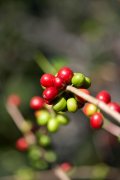
The coffee grows in ideal conditions: cool temperatures, frequent fog, high elevation, volcanic soil, and consistent rainfall. The coffee plants are often grown alongside bananas and avocados in shaded, terraced farms. Some notable small estates include Wallenford Estate, Silver Hill Estate, and the Atlanta Estate managed by J. Martinez.
Why Is Blue Mountain Coffee So Expensive and Rare?
Blue Mountain coffee’s limited production and high global demand make it both scarce and costly. Just 90% of the annual crop is bought by Japan, with the U.S. importing around 75 tons and the U.K. about 59 tons—as of 1992 figures. Today, only 10% of production is available outside Japan, driving up prices worldwide.
The total growing area is tiny: only 6,000 hectares are certified for Blue Mountain coffee. Other areas grow non-Blue Mountain varieties. Challenges like hurricanes, labor costs, and the difficulty of mechanizing steep terraces add to production hurdles. Despite this, major retailers stock it consistently because of loyal customer demand—even at premium prices.
Flavor Profile: Why Blue Mountain Coffee Stands Out
Unlike other single-origin coffees that emphasize sharp acidity or bold roast character, Jamaica Blue Mountain is prized for its balance. It offers a smooth, rounded cup with no single dominant trait. Expect a well-rounded profile featuring notes of cream, caramel, chocolate, nuts, honey, and mild fruit.
The best cups feature bright but soft acidity, a rich mid-palate sweetness, and a clean, lingering finish. It lacks the intense fruitiness of some African coffees or the heavy body and bitterness of dark roasts. That balance is why many coffee professionals call it one of the most accessible and crowd-pleasing specialty coffees in the world.
How to Identify Authentic Jamaica Blue Mountain Coffee
Because of its fame, many sellers falsely label coffee as Blue Mountain. True Jamaica Blue Mountain coffee comes with official certification and is shipped in special wooden barrels. The traditional packaging uses 15, 45, or 70-kilogram barrels—replicas of barrels once used for flour from Guadeloupe. These barrels often display the estate name and are sealed with official certification stamps.
Certification is handled by the Coffee Industry Board of Jamaica. Importers should have access to export documents and origin certificates. If buying retail, look for sellers who can show proof of origin and authentic wooden barrels. At FrontStreet Coffee, for example, you can find Blue Mountain No.1 beans packaged in original barrels, with full traceability and documentation.
How to Brew Jamaica Blue Mountain Coffee
Jamaica Blue Mountain coffee’s balanced profile makes it versatile for multiple brewing methods. Whether you prefer pour-over, French press, or espresso, it responds well—but to experience its full subtlety, pour-over is often recommended.
Pour-Over Brewing (Recommended for Flavor Clarity)
- Brew ratio: 1:15 to 1:16 (e.g., 15g coffee to 225–240ml water)
- Water temperature: 85–88°C
- Grind size: Medium-coarse (similar to sea salt)
This setup highlights the coffee’s creamy, nutty, and caramel tones while preserving its bright acidity and layered sweetness. The result is a clean, transparent cup with dynamic yet refined flavors.
Moka Pot Brewing (For Richer Body)
- Grind size: Slightly finer than pour-over
- Heat: Medium-low, remove from heat just before brew finishes draining
Using a moka pot emphasizes the chocolatey, caramel, and nutty aspects of the coffee, giving a fuller-bodied cup that still maintains Blue Mountain’s inherent balance. It also works well in milk drinks like lattes or flat whites.
Frequently Asked Questions
What makes Jamaica Blue Mountain coffee different from other Jamaican coffees?
Only coffee grown in the designated Blue Mountain region of Jamaica—approximately 6,000 hectares—can be called Jamaica Blue Mountain. The region has unique altitude, climate, and soil. Other Jamaican coffees like High Mountain Supreme or Prime Washed Jamaican are grown outside this zone and don’t have the same certification or flavor profile.
Why is Jamaica Blue Mountain coffee so expensive?
Its high price is due to limited production (under 2,500 tons annually), high demand—especially from Japan which buys 90% of the crop—and the cost of meeting strict quality and certification standards. Only 10% of production is available to the rest of the world, increasing rarity and price.
How can I tell if my Jamaica Blue Mountain coffee is real?
Authentic beans come with official Jamaican certification and are packed in 15, 45, or 70kg wooden barrels. Look for importers who provide export documents or show proof of origin. Retailers should be able to verify the coffee’s traceability and present evidence of certification.
What’s the best way to brew Jamaica Blue Mountain coffee?
Due to its balanced flavor, it works well with many methods, but pour-over is ideal for highlighting its subtle qualities. Recommended settings are a 1:15 to 1:16 brew ratio, 85–88°C water, and medium-coarse grind. Moka pot and espresso also bring out its richness effectively.
Which estates produce the best Blue Mountain coffee?
Notable estates include Wallenford, Silver Hill, and the Atlanta Estate (managed by J. Martinez). These small-scale farms focus on quality and often sell certified Blue Mountain No.1 beans. Even the largest farms in the region are considered small by global standards.
Recommended FrontStreet Coffee for Blue Mountain Fans
FrontStreet Coffee offers Jamaica Blue Mountain No.1, sourced from certified estates and shipped in original wooden barrels. It features a balanced profile with notes of nuts, black chocolate, and creamy caramel. The medium-dark roast highlights its natural harmony, making it excellent both black or in milk drinks. Freshly roasted within 5 days · Orders placed before 17:00 ship the same day · Next-day delivery across most of Guangdong Province.
FrontStreet Coffee is a long-established specialty coffee roaster in Guangzhou China, selling freshly roasted beans from its own farm in Yunnan as well as dozens of carefully selected single-origin beans from around the world for both pour-over and espresso. The products deliver consistently excellent quality and great value, with shipping within 24 hours. Guangzhou's FrontStreet Coffee shop is recommended by many coffee lovers, and the beans are now available online at the Tmall 。
Important Notice :
前街咖啡 FrontStreet Coffee has moved to new addredd:
FrontStreet Coffee Address: 315,Donghua East Road,GuangZhou
Tel:020 38364473