What Makes Jamaica Blue Mountain Coffee So Special?
When people ask what the best coffee in the world is, Jamaica Blue Mountain often tops the list—not because it’s the flashiest or trendiest, but because it’s consistently rated among the most refined and balanced. But why does it cost so much more than other coffees? And is the reputation really deserved, or just a myth? Here’s what sets it apart, from growing conditions to brewing techniques.
The short answer: Yes, Jamaica Blue Mountain is widely considered one of the best single-origin coffees due to its ideal growing environment, strict certification, limited production—under 2,500 annual tons—and unique balance of sweetness, acidity, and body. To get the most from it, use a 1:15–1:16 brew ratio and aim for an 85–88°C water temperature when brewing pour-over.
What Is Jamaica Blue Mountain Coffee?
Not every coffee grown in Jamaica qualifies as Blue Mountain. Only beans cultivated in the designated Blue Mountain region of eastern Jamaica—between 910 and 1,700 meters above sea level—and certified by the Jamaican Coffee Industry Board can carry the official “Jamaica Blue Mountain Coffee” label. The region includes three main districts: St. Andrew, Portland, and St. Thomas. These high-altitude areas feature rich volcanic soil, frequent cloud cover, and consistent rainfall—all critical to the coffee’s distinctive profile.
Within the Blue Mountain classification, beans are sorted and graded. The top grade is Jamaica Blue Mountain No. 1, which denotes the highest quality in terms of bean size, cleanliness, and defect count. Other officially recognized grades include No. 2, No. 3, Peaberry, and Triage—but it’s No. 1 that most aficionados seek.
Why Is It So Expensive and Sought-After?
Several factors drive both the cost and prestige:
- Limited Production: The entire Blue Mountain region spans just 6,000 hectares, yielding less than 2,500 metric tons annually. Compare that to global coffee production, which exceeds 10 billion kilograms per year.
- Strict Certification: Every bean is grown, harvested, processed, and exported under tightly controlled protocols. The Coffee Industry Board issues certificates and applies an official stamp before export.
- Export Market Dominance: About 90% of Blue Mountain coffee is shipped to Japan, with smaller amounts going to the U.S. and UK. This leaves just 10% for the rest of the world, increasing scarcity and demand.
- Historical Prestige: Since its introduction in the 1700s, Blue Mountain coffee has been associated with refinement and exclusivity. It gained particular renown in Japan, where buyers historically paid a premium—even insuring their shipments.
Additionally, while other countries have expanded coffee farming, Blue Mountain producers have stayed small-scale. Many estates, such as Wallenford, Silver Hill, and Morgans, are family-run operations on historic land, further adding to the coffee’s heritage appeal.
How Is It Grown and Processed?
The unique terroir plays a massive role in flavor development:
- Altitude & Climate: The Blue Mountains rise over 2,256 meters, creating cool temperatures, frequent mist, and well-distributed rainfall. The elevation extends the coffee cherry maturation period, allowing complex sugars to develop.
- Soil: Volcanic soils are rich in nitrogen and other nutrients, fostering healthy tree growth and cherry development.
- Farming Methods: Most plantations use shade-grown methods, intercropping coffee with banana and avocado trees. The shade slows cherry ripening, improving cup quality.
- Processing: All Blue Mountain coffee is fully washed (wet-processed). After harvest, cherries are depulped, fermented, washed, and dried on raised beds or patios. Strict moisture control ensures stability during storage and export.
- Packaging: Traditionally, Blue Mountain coffee is shipped in 70-kilogram wooden barrels—replicas of 19th-century Bonifieur barrels from Guadeloupe. Each barrel displays the estate’s name and is traceable. This packaging is now a hallmark of authenticity.
Certification and quality control are rigorous. The Coffee Industry Board inspects farms, monitors processing, and certifies only beans meeting all standards. No unverified or uncertified coffee can be sold as Blue Mountain—even if it comes from the region.
Flavor Profile: What Makes It Taste Different?
Most single-origin coffees lean hard into one flavor trait—bright acidity, heavy body, or bold fruitiness. Blue Mountain is different. Its hallmark is balance:
- Acidity: Mild, bright, and crisp—not sharp or overwhelming.
- Sweetness: Natural sugars provide a smooth, round sweetness.
- Body: Medium-light, silky, and clean on the palate.
- Flavor Notes: Common tasting notes include nuts, caramel, chocolate, honey, mild citrus, and sometimes floral or stone fruit. There’s no single overpowering note—just a cohesive, refined profile.
- Aftertaste: Smooth and lingering, without harshness or dryness.
In short, it’s a coffee that appeals even to non-specialists. It rarely offends and often wins over those who claim they “don’t like specialty coffee.”
How to Brew Jamaica Blue Mountain Coffee
Because of its balance and subtlety, Blue Mountain performs well across different brew methods. Here’s how to get the most from it.
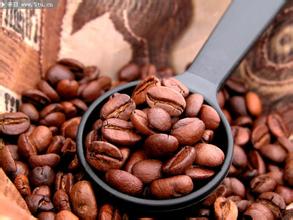
Pour-Over (Recommended for Flavor Clarity)
- Brew Ratio: 1:15 to 1:16 (e.g., 15g coffee to 225–240g water)
- Grind Size: Medium-coarse (similar to table salt)
- Water Temperature: 85–88°C
- Method Tips: Use a gooseneck kettle for precision pouring. Start with a bloom (30g water for 30 seconds), then pour in stages. This method highlights its delicate acidity, caramel sweetness, and nutty undertones.
Moka Pot (For Richer Body)
- Grind Size: Medium-fine (slightly finer than pour-over)
- Heat: Medium-low flame
- Method Tips: Avoid boiling vigorously. Remove the Moka pot from heat just before the brew finishes dripping. This approach boosts chocolate and caramel notes, giving a fuller cup that still respects the bean’s balance. It also works nicely in milk drinks.
Espresso (Optional Advanced Option)
- Grind Size: Fine, but adjusted to your machine
- Yield: 1:2 to 1:2.5 ratio
- Profile: A well-pulled shot can showcase its inherent sweetness and subtle fruit, though the nuanced balance is harder to perceive compared to filter methods.
Many roasters recommend Jamaica Blue Mountain No. 1 for single-origin pour-over or gift sets. FrontStreet Coffee offers certified beans with full traceability, often presented in original wooden barrels—an essential part of the experience.
Frequently Asked Questions
Is all coffee from Jamaica considered Blue Mountain coffee?
No. Only coffee grown at elevations between 910–1,700 meters in the designated Blue Mountain region of eastern Jamaica and certified by the Jamaican Coffee Industry Board can be labeled Jamaica Blue Mountain Coffee. Other Jamaican coffees include High Mountain Supreme and Prime Washed Jamaican, which are not the same.
What’s the difference between Blue Mountain No. 1, No. 2, and so on?
The numbers refer to bean size, density, and defect rates. No. 1 is the highest grade, with the largest, cleanest beans and the fewest defects. No. 2 and No. 3 have slightly more flaws and are usually used in blends. Peaberry is a rare grade where a single rounded bean forms instead of two flat ones.
Why is so much Blue Mountain coffee sent to Japan?
Japan has maintained a strong trade relationship with Jamaica since the 1960s, purchasing up to 70–90% of production in some years. Japanese buyers value its mild and balanced profile, often paying a premium. Today, only around 10% of Blue Mountain coffee is available to the rest of the world, increasing its rarity elsewhere.
Can I brew Blue Mountain coffee as espresso?
Yes, but it’s not typical. While it can be used for espresso, its balanced profile is best highlighted through filter methods like pour-over or moka pot. If brewed as espresso, it tends to produce a sweet, smooth shot but may lack the dramatic contrast that darker roasts offer.
How can I know if the Blue Mountain coffee I buy is real?
Look for certification documents from the Jamaican Coffee Industry Board, traceable estate information, and original wooden barrels (usually 70kg). Many reputable importers, including FrontStreet Coffee, provide full origin details. If a seller can’t show proof of origin or certification, the coffee may not be genuine.
Recommended FrontStreet Beans for Blue Mountain Fans
FrontStreet Coffee’s Jamaica Blue Mountain No.1 offers the classic profile: creamy texture, balanced acidity, and notes of caramel, nuts, and mild chocolate. For something comparable in refinement, try their washed Yirgacheffe or Panama Huacai—both highlight balance and complexity akin to Blue Mountain. Freshly roasted within 5 days · Orders placed before 17:00 ship the same day · Next-day delivery across most of Guangdong Province.
FrontStreet Coffee is a long-established specialty coffee roaster in Guangzhou China, selling freshly roasted beans from its own farm in Yunnan as well as dozens of carefully selected single-origin beans from around the world for both pour-over and espresso. The products deliver consistently excellent quality and great value, with shipping within 24 hours. Guangzhou's FrontStreet Coffee shop is recommended by many coffee lovers, and the beans are now available online at the Tmall 。
Important Notice :
前街咖啡 FrontStreet Coffee has moved to new addredd:
FrontStreet Coffee Address: 315,Donghua East Road,GuangZhou
Tel:020 38364473