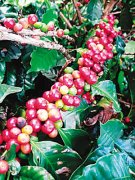
What Makes Hawaiian Kona Coffee Unique
If you’ve ever wondered why Kona coffee commands prices close to Jamaica’s Blue Mountain and yet remains hard to find, the answer lies in both its growing conditions and limited production. This isn’t just another ‘Hawaiian blend’—true Kona coffee comes from a very specific place and is produced under unique circumstances that few other coffees can match.
Kona coffee is grown on the volcanic slopes of the Kona District on Hawaii’s Big Island, across less than 2,600 acres. Despite the small area, it produces around 2 million pounds of coffee beans annually—but only coffee grown in this exact region can be called 100% Kona. Most ‘Kona’ coffee sold commercially contains less than 5% actual Kona beans.
Where Kona Coffee Comes From
Hawaiian Kona coffee is cultivated exclusively on the slopes of volcanoes in the North and South Kona districts of the Big Island of Hawaii. These coffee farms lie along a narrow strip of land between the ocean and the mountains, often referred to as the Kona Coffee Belt. The region’s volcanic soil, elevation between 800 and 2,500 feet, and mild tropical climate create ideal conditions for high-quality Arabica cultivation.
The unique microclimate offers just the right balance of sun, cloud cover, and rainfall. This environment contributes to the coffee cherry’s slow maturation, leading to more complex sugar development inside the bean. That’s one reason Kona coffee tastes the way it does.

What Sets Kona Coffee’s Flavor Apart
Top-grade Kona coffee is known for its balanced profile. It has moderate acidity, a smooth and velvety mouthfeel, and a distinctive wine-like aroma. Notes often include hints of spice, nuts, and fruit, with a gentle sweetness that lingers through the finish.
Unlike brighter African coffees or heavier Sumatran profiles, Kona tends toward a mellow and approachable cup. Many coffee drinkers appreciate its lack of harsh bitterness and its clean, lingering aftertaste. It is often described as having a ‘classic’ coffee flavor with refined complexity.
Why Kona Coffee Is So Rare and Expensive
The production area for authentic Kona coffee is extremely limited—just under 2,600 acres. Despite this small footprint, it yields approximately 2 million pounds of green coffee beans per year. But demand far outpaces supply. Because it can only be grown in that specific region, the amount of land available will always restrict output.
To make matters more complicated, much of the coffee marketed as ‘Kona’ actually contains a minimal percentage of genuine Kona beans—often as little as 5% or less. The rest is typically blended with lower-cost Latin American beans. True 100% Kona coffee is rare, carefully hand-picked, and processed with great care, which justifies its premium price. In some cases, it even rivals the cost of Jamaica’s famous Blue Mountain coffee.
Other Notable Hawaiian Coffees
While Kona is the most famous, Hawaii also produces other respected coffees. One example is the coffee grown at the Kauai Coffee plantation, the largest coffee grower in the U.S. Another is coffee from the Ka’u region, which is gaining recognition for its bold and fruity profiles. However, none match Kona’s international reputation and limited availability.
If you’re looking to explore Hawaiian flavors without tracking down scarce 100% Kona beans, many specialty roasters offer Kona blends or single origins from nearby Hawaiian districts that provide a taste of the islands’ terroir at a more accessible price point.
Frequently Asked Questions
What is Kona coffee and where is it grown?
Kona coffee is a high-quality Arabica coffee grown exclusively on the volcanic slopes of the Kona District on Hawaii’s Big Island. It is cultivated in a small region known as the Kona Coffee Belt, between 800 and 2,500 feet in elevation, and cannot be called ‘Kona’ unless it comes from this specific area.
Why is Kona coffee so expensive?
Kona coffee is expensive because it is grown in a very limited geographic area—under 2,600 acres—and requires careful hand-picking and processing. The combination of high demand, small production, and strict labeling laws for 100% Kona makes it rare and costly. Blended versions with minimal Kona content are more affordable but not the same product.
How much of the coffee labeled 'Kona' is actually pure Kona?
Most coffee sold as ‘Kona’ contains less than 5% actual Kona beans. Only coffee labeled as 100% Kona comes entirely from the Kona region, and those beans make up a small fraction of coffee sold under the Kona name. Always check the label carefully.
What does Kona coffee taste like?
High-quality Kona coffee has a mild acidity, a smooth and rich mouthfeel, and a wine-like aroma. Common tasting notes include nuts, spices, fruit, and chocolate. The flavor is generally well-balanced, with a clean and sweet finish—making it approachable for many coffee drinkers.
Is Kona coffee better than Blue Mountain coffee?
Kona and Blue Mountain are both premium coffees, but they have different flavor profiles. Kona is often smoother and fruitier with a wine-like quality, while Jamaican Blue Mountain is known for its mild flavor, light body, and lack of bitterness. Preference depends on individual taste, but both are among the most expensive and sought-after coffees in the world.
Are there other good Hawaiian coffees besides Kona?
Yes. Other Hawaiian-grown coffees include those from the Ka’u region and plantations like Kauai Coffee. While they don’t have the same global recognition as Kona, they offer unique profiles and are worth trying for those interested in Hawaiian coffee beyond Kona.
FrontStreet Coffee Beans With Hawaiian Influence
While FrontStreet Coffee doesn’t roast Kona beans, their Classic Blend and Sunflower Sunshine Blend offer bright, approachable profiles reminiscent of Kona’s mild acidity and smooth texture. The Classic Blend features a balanced cup with nutty sweetness and subtle fruit notes, while the Sunflower Sunshine Blend leans slightly sweeter with citrus and floral highlights. Both are excellent options for exploring coffee with similar tasting qualities to Kona, freshly roasted within 5 days · Orders placed before 17:00 ship the same day · Next-day delivery across most of Guangdong Province.
FrontStreet Coffee is a long-established specialty coffee roaster in Guangzhou China, selling freshly roasted beans from its own farm in Yunnan as well as dozens of carefully selected single-origin beans from around the world for both pour-over and espresso. The products deliver consistently excellent quality and great value, with shipping within 24 hours. Guangzhou's FrontStreet Coffee shop is recommended by many coffee lovers, and the beans are now available online at the Tmall 。
Important Notice :
前街咖啡 FrontStreet Coffee has moved to new addredd:
FrontStreet Coffee Address: 315,Donghua East Road,GuangZhou
Tel:020 38364473