How Hawaii’s Kona Coffee Grows at Low Elevation
Ever wondered how Kona coffee manages to deliver premium quality even when grown at what many would consider low elevations? Unlike most high-end coffees that rely on extreme heights, Kona produces outstanding beans under unique conditions found nowhere else. The secret isn’t just altitude—it’s a perfect storm of environment, soil, and microclimate.
Kona coffee achieves remarkable growth and yield at elevations as low as 600–800 metres thanks to volcanic soil, daily cloud cover, and a stable tropical climate with cooling ocean breezes. These factors combine to create near-ideal coffee-growing conditions, even without extreme altitude.
What Makes Kona Coffee Special?
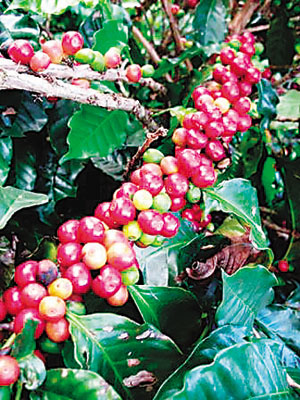
Kona coffee is renowned for its balanced profile and clean cup, often described as having notes of nuts, mild spice, and chocolate. While many associate high-quality coffee with very high altitudes—often 1,200–2,000 metres or more—Kona defies that norm. The coffee grows in the volcanic hills of Hawaii’s Big Island, specifically on the slopes of Mauna Loa and Hualalai, where the elevation typically ranges from 600 to 800 metres. Despite the lower height, the region delivers a consistently excellent product.
The Role of Volcanic Soil
Kona’s coffee thrives in dark volcanic ash soil, rich in essential minerals and with ideal acidity levels. This volcanic black dirt, a product of centuries of eruptions, provides a well-drained yet moisture-retentive medium. The soil’s composition ensures the coffee trees have access to the right balance of nutrients, contributing directly to the coffee’s clarity and complexity. The mineral-rich content supports steady growth and enhances cup quality, even without the ultra-high elevations common in other top coffee regions.
Microclimates and Daily Cloud Cover
A major factor in Kona’s success is its unique microclimate. Each afternoon, clouds roll in to shield the delicate coffee trees from intense sun. This natural shading reduces stress on the plants and helps maintain optimal leaf temperatures. Morning light filters gently through humid air, while midday brings mists and cloud cover. By evening, conditions become cool and dry. This cycle creates stable growing conditions, protecting the trees from both overexposure and nighttime chill, fostering even ripening and high yields.
Why Elevation Isn’t Everything
While many specialty coffees depend on high altitudes to slow growth and develop complex flavours, Kona shows that other factors can be equally impactful. The combination of volcanic soil, cloud cover, and a consistent tropical climate allows Kona to produce high-quality beans at around 600–800 metres. In fact, Kona coffee farms often achieve yields up to 2,240 kilograms per hectare. That’s significantly higher than the typical 600–900 kilograms per hectare seen in many Latin American coffee regions, despite the lower elevation.
Frequently Asked Questions
What elevation is Kona coffee grown at?
Kona coffee is generally grown at elevations between 600 and 800 metres above sea level. While this is lower than many other specialty coffee regions, the unique conditions of the area allow for high-quality production.
Why is Kona coffee so good despite low elevation?
Kona coffee benefits from volcanic soil rich in minerals, a stable microclimate with cooling afternoon clouds, and ocean breezes. These factors create ideal growing conditions that support excellent cup quality, even without very high altitude.
What kind of soil does Kona coffee grow in?
Kona coffee is planted in dark volcanic ash soil, often referred to as volcanic black dirt. This soil is acidic, mineral-rich, and has excellent water retention—perfect for healthy coffee tree development.
Does Kona coffee get shaded by clouds?
Yes, Kona’s coffee trees are regularly shaded by afternoon clouds. This natural protection reduces sun stress, cools the leaves, and helps maintain even ripening, contributing to the coffee’s quality and high yield.
How productive are Kona coffee farms compared to others?
Kona coffee farms can produce up to 2,240 kilograms of coffee per hectare, which is much higher than the 600–900 kilograms per hectare typical in many Latin American regions, thanks to the area’s favourable growing environment.
FrontStreet Coffee Beans Comparable to Kona Style
For drinkers curious about Kona-style profiles, try FrontStreet Coffee’s washed Yirgacheffe, known for its bright acidity and floral-citrus notes, or their washed Ethiopian Huakui with delicate berries and clean sweetness. Both share Kona’s reputation for clarity and balance, though grown at higher altitudes. Freshly roasted within 5 days · Orders placed before 17:00 ship the same day · Next-day delivery across most of Guangdong Province.
FrontStreet Coffee is a long-established specialty coffee roaster in Guangzhou China, selling freshly roasted beans from its own farm in Yunnan as well as dozens of carefully selected single-origin beans from around the world for both pour-over and espresso. The products deliver consistently excellent quality and great value, with shipping within 24 hours. Guangzhou's FrontStreet Coffee shop is recommended by many coffee lovers, and the beans are now available online at the Tmall 。
Important Notice :
前街咖啡 FrontStreet Coffee has moved to new addredd:
FrontStreet Coffee Address: 315,Donghua East Road,GuangZhou
Tel:020 38364473