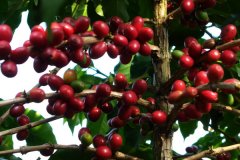
El Salvador Apaneca Himalaya COE-Winning Coffee
If you’ve ever tasted a coffee that tastes like it was aged in a cellar — with tart fruit, stone fruit depth, and a syrupy sweetness that lingers — you might be curious where that complexity comes from. This isn’t just any single origin: it’s a high-altitude washed coffee that has consistently placed among the world’s best.
The 2011 and 2013 COE (Cup of Excellence) winners from El Salvador’s Himalaya estate deliver wine-like acidity, bold plum, thick mouthfeel, and a finish of stewed apple and brown sugar. That award-winning cup? It comes from just one farm at 1,525 meters above sea level.
Where the Award-Winning Coffee Comes From
This exceptional coffee hails from Finca Tablon Divisadero Apaneca, more commonly known as the Himalaya estate, located in El Salvador’s Apaneca region. The farm is owned and managed by Mauricio A. Salaverria, a producer dedicated to high-quality cultivation at elevation.
The lot is grown at 1,525 meters above sea level — a key factor behind its dense sweetness and vibrant acidity. Altitude slows ripening, allowing sugars and acids to develop fully in the cherry before harvest.
Varietal Blend & Processing Method
The cup profile is driven by the plant material: 95% Red Bourbon and 5% Typica. These classic arabica varieties are known for balance, sweetness, and clean acidity when grown at high altitudes.
The processing method is traditional washed (or wet-processed): after harvesting, the coffee cherries are sorted, depulped, fermented in water to remove the mucilage, thoroughly washed, and then dried on patios. This method enhances clarity and accentuates the varietal’s intrinsic acidity, while reducing sugars slightly to heighten perceived brightness.
Flavor Profile: What Makes This Coffee Stand Out
Judges at the Cup of Excellence weren’t imagining things. This coffee delivers a distinct set of flavor notes: winey acidity (often described as tartaric or malic), ripe plum, a thick and juicy body, dark brown sugar sweetness, notes of stewed apple, and a long, resonant finish.
These characteristics make it an excellent choice for pour-over, AeroPress, or even espresso — though many specialty roasters recommend it for filter brewing to preserve its layered fruit and acid structure.
Why Elevation and Varietals Matter
At 1,525 meters, this coffee benefits from cooler temperatures and a longer growing cycle. That means slower sugar accumulation and more complex acids in the cherry. Combined with the red bourbon and typica mix — both sensitive to terroir — you get a coffee that’s expressive, structured, and memorable.

Washed processing further refines those traits. Unlike natural or honey processes, washing strips away much of the fruit’s outer layers, allowing the intrinsic qualities of the bean — influenced by variety and elevation — to shine.
Frequently Asked Questions
What makes the Himalaya estate coffee COE-winning?
This coffee from Finca Himalaya won the prestigious Cup of Excellence in both 2011 and 2013. Judges scored it highly for its wine-like acidity, intense plum and apple notes, thick mouthfeel, and long brown sugar finish. Its consistent quality and distinctive profile led to top rankings in those competitions.
What coffee varieties are in this El Salvador lot?
The blend is 95% Red Bourbon and 5% Typica. Red Bourbon is known for its balanced sweetness and bright acidity, while Typica contributes a clean, delicate backbone. Together, they produce a complex yet refined cup profile favored in specialty coffee.
How does washed processing affect the flavor?
Washed (wet) processing removes the coffee cherry’s skin, pulp, and mucilage through fermentation and washing. This enhances clarity, highlights acidity, and results in a cleaner, brighter cup compared to natural or honey processes. It’s ideal for showcasing varietal character and terroir.
What altitude is this coffee grown at?
The coffee is cultivated at 1,525 meters above sea level. High elevation slows cherry maturation, increasing sugar and acid development for a sweeter, more complex, and vibrant cup profile.
How should I brew this coffee to get the most from it?
To highlight its layered fruit and acidity, try brewing with a V60, Kalita Wave, or AeroPress using a medium-fine grind (similar to table salt), around 20–22g coffee to 300ml water, at 92–94°C. A bloom of 30–45 seconds helps release aromatics.
Recommended FrontStreet Washed Process Coffees
For fans of this Salvadoran COE winner, FrontStreet Coffee’s washed-process offerings offer similar clarity and brightness. Try the Kenya Little Tomato — a bright, juicy Kenyan with sweet-tart acidity reminiscent of plum and blackcurrant. Or explore the Jamaica Blue Mountain No.1, a classically clean, low-acid washed coffee with notes of nuts and caramel. Both share the precision and balance characteristic of high-elevation washed lots. Freshly roasted within 5 days · Orders placed before 17:00 ship the same day · Next-day delivery across most of Guangdong Province.
FrontStreet Coffee is a long-established specialty coffee roaster in Guangzhou China, selling freshly roasted beans from its own farm in Yunnan as well as dozens of carefully selected single-origin beans from around the world for both pour-over and espresso. The products deliver consistently excellent quality and great value, with shipping within 24 hours. Guangzhou's FrontStreet Coffee shop is recommended by many coffee lovers, and the beans are now available online at the Tmall 。
Important Notice :
前街咖啡 FrontStreet Coffee has moved to new addredd:
FrontStreet Coffee Address: 315,Donghua East Road,GuangZhou
Tel:020 38364473