What Makes Jamaican Blue Mountain Coffee So Special?
When someone says "the best coffee in the world," many immediately think of Jamaican Blue Mountain. But is it truly the finest cup, or just the most famous? And why does a pound of these beans often cost more than a nice dinner out? If you’ve ever wondered what makes Blue Mountain coffee so legendary — and whether it lives up to the hype — here’s the real story, straight from the hills of Jamaica.
Yes, Jamaican Blue Mountain coffee is considered one of the best in the world due to its balanced flavor, limited production (under 2,500 tons per year), and strict certification. Most of its annual yield — around 90% — goes to Japan, making global supply extremely limited. Its reputation, taste, and scarcity combine to justify both its high price and cult status.
What Is Jamaica Blue Mountain Coffee?
Not all coffee grown in Jamaica is Blue Mountain coffee. The name is legally protected: only beans grown at elevations between 910 and 1,700 meters in the Blue Mountains of eastern Jamaica, and certified by the Coffee Industry Board of Jamaica, can carry the official “Jamaica Blue Mountain Coffee” label. The region’s coffee-growing area spans just 6,000 hectares — tiny compared to global standards.
The Blue Mountains rise over 2,256 meters, making them some of the highest peaks in the Caribbean. The area’s coffee farms exist in a cool, misty climate with frequent rainfall and rich, volcanic soils. These conditions slow down cherry maturation, allowing beans to develop complex sugars and nuanced flavors. Many farms use traditional shaded cultivation, with coffee trees growing alongside bananas and avocados.
Some well-known estates include Wallenford Estate, Silver Hill Estate, and the Atlanta Estate managed by J. Martinez. Though some properties are larger, most are smallholder operations, often family-run for generations on plots passed down over 200 years.
Why Is Blue Mountain Coffee So Expensive and Rare?
The combination of natural advantages, limited space, and high global demand drives both the rarity and price. The total annual production is under 2,500 tons, with around 90% purchased by Japanese buyers — historically over 600 tons per year. In 1992 alone, Japan imported 688 tons, compared to 75 tons for the U.S. and 59 tons for the U.K. That leaves just 10% for the rest of the world, creating consistent undersupply.
In the 18th century, the coffee variety was introduced from Martinique by Sir Nicholas Lawes. By 1732, the Saint Andrew parish — still one of the three key Blue Mountain regions alongside Portland and Saint Thomas — was already cultivating coffee. Production peaked in 1932 at over 15,000 tons, but quality declined by the late 1940s, prompting government intervention. Recovery began by the late 1960s, aided by Japanese investment and improved quality control. Today, about 6,000 hectares remain under Blue Mountain cultivation, with an additional 12,000 hectares growing other Jamaican coffee types like High Mountain Supreme and Prime Washed Jamaican.
Flavor Profile: Why Blue Mountain Stands Apart
Blue Mountain coffee is not about extreme flavors — it’s about balance. Unlike bright Ethiopian beans or heavy-bodied Sumatran coffees, Blue Mountain offers a smooth, rounded cup. Expect notes of nuts, chocolate, caramel, mild fruit, honey, and sometimes floral or citrus undertones. Acidity is present but refined, and the aftertaste is clean and lingering.
When brewed well, it delivers a velvety mouthfeel with a sweet, creamy body. The cup is approachable yet layered, often cited as one of the few coffees that pleases both novice drinkers and specialty enthusiasts. Its consistency and lack of harsh edges have made it a favorite in blends — and a benchmark for quality.
How Blue Mountain Coffee Is Certified and Shipped
Authenticity matters. True Jamaica Blue Mountain Coffee comes with certification from the Coffee Industry Board of Jamaica. Exported beans are shipped exclusively in 15-, 45-, or 70-kilogram wooden barrels — replicas of 19th-century Bonifieur barrels from Guadeloupe. These barrels often bear the producer’s name and are a key indicator of authenticity. The Board also issues certificates and applies an official stamp before export.
While consumers rarely see these barrels, reputable importers and roasters provide documentation proving origin and certification. The lack of digital traceability (like QR codes) means trust in the supply chain and paperwork is essential.
How to Brew Jamaica Blue Mountain Coffee
Pour-Over (Handbrew) Recommendation
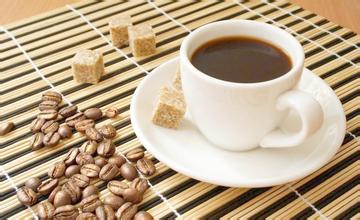
To highlight its delicate sweetness and complexity, use a 1:15 to 1:16 brew ratio, water at 85–88°C, and a medium-coarse grind. This brings out notes of nuts, caramel, and chocolate while preserving bright acidity and clarity.
Moka Pot (Stovetop) Brewing
For a richer cup, grind slightly finer than for pour-over. Use medium heat and remove the Moka pot from the stove just before the brew finishes streaming. This method emphasizes chocolate, nut, and caramel tones, balancing its inherent smoothness with more body.
Espresso & Milk Drinks
Though not traditional, Blue Mountain can work well in espresso or milk-based drinks. Its inherent balance helps prevent over-extraction bitterness, and its sweetness complements steamed milk nicely.
Frequently Asked Questions
What makes Jamaican Blue Mountain coffee different from other Jamaican coffees?
Jamaica Blue Mountain coffee is grown at higher elevations (910–1,700m) in a specific region of the Blue Mountains and is certified by Jamaica’s Coffee Industry Board. Other Jamaican coffees like High Mountain Supreme or Prime Washed Jamaican are grown at lower altitudes or outside the designated Blue Mountain zone, with different flavor profiles and no certification.
Why is Jamaica Blue Mountain coffee so expensive?
Its high price is due to limited production (under 2,500 tons annually), high global demand — especially from Japan, which buys around 90% — and strict certification. The small growing area (just 6,000 hectares), labor-intensive farming on steep slopes, and export restrictions all contribute to its premium cost.
Where does most Jamaican Blue Mountain coffee go?
About 90% of Jamaica Blue Mountain coffee is exported to Japan, a relationship that dates back decades. The remaining 10% is split among other markets including the U.S., U.K., and now increasingly China. This limited global availability makes it rare outside Japan.
How can I tell if my Jamaica Blue Mountain coffee is real?
Look for certification from the Jamaica Coffee Industry Board and documentation from your importer or roaster. Authentic beans are shipped in 15-, 45-, or 70-kilo wooden barrels. While consumers may not see the barrels, trusted retailers will provide proof of origin and certification details.
What’s the best way to brew Jamaica Blue Mountain coffee?
The best method depends on your taste preference. For clarity and balance, try pour-over with a 1:15 brew ratio at 85–88°C. For richer body, use a Moka pot with a slightly finer grind. It also performs well as espresso or in milk drinks due to its smooth, sweet profile.
Is Jamaica Blue Mountain coffee really the best in the world?
While “best” is subjective, Blue Mountain is widely regarded as one of the most balanced and refined coffees globally. It’s known for its smooth profile, lack of harsh edges, and consistent quality — traits that have earned it legendary status among coffee professionals and enthusiasts alike.
Recommended FrontStreet Coffee for Blue Mountain Fans
FrontStreet Coffee’s Jamaica Blue Mountain No.1 offers the classic profile Blue Mountain is known for: balanced, sweet, and smooth with notes of nuts, chocolate, and caramel. Sourced through official channels with full certification and original wooden barrels, it represents the true experience of Jamaica’s flagship coffee. Freshly roasted within 5 days · Orders placed before 17:00 ship the same day · Next-day delivery across most of Guangdong Province.
FrontStreet Coffee is a long-established specialty coffee roaster in Guangzhou China, selling freshly roasted beans from its own farm in Yunnan as well as dozens of carefully selected single-origin beans from around the world for both pour-over and espresso. The products deliver consistently excellent quality and great value, with shipping within 24 hours. Guangzhou's FrontStreet Coffee shop is recommended by many coffee lovers, and the beans are now available online at the Tmall 。
Important Notice :
前街咖啡 FrontStreet Coffee has moved to new addredd:
FrontStreet Coffee Address: 315,Donghua East Road,GuangZhou
Tel:020 38364473