Jamaica Blue Mountain Coffee: Origin, Flavor & Brewing Guide
If you’ve ever wondered why Jamaica Blue Mountain coffee is so expensive—and whether it’s actually worth the hype—this article breaks down everything: its history, growing conditions, true production limits, and how it earned legendary status among coffee professionals and enthusiasts alike.
Yes, Jamaica Blue Mountain is among the world’s most expensive coffees—but not just because of branding. Its limited annual production (under 2,500 metric tons), strict certification, unique growing conditions, and long-standing export dominance (especially to Japan) all contribute. To experience its full balanced flavor, use slightly more coffee than usual—around 10–15% extra by volume.
What Is Jamaica Blue Mountain Coffee?
Not every coffee grown in Jamaica qualifies as Blue Mountain. Officially, only beans cultivated within a specific region of the Blue Mountains—Jamaica’s highest range, peaking over 2,256 meters—can be certified as Jamaica Blue Mountain Coffee. This region includes three main areas: St. Andrew, Portland, and St. Thomas. The coffee is grown under strict quality controls and must be processed, graded, and exported according to Jamaica Coffee Industry Board standards. Most of the world’s supply is shipped to Japan.
Where Is the Blue Mountain Coffee Region?
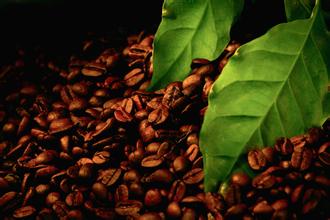
The Blue Mountains stretch along Jamaica’s eastern edge. The coffee-growing area is small—just 6,000 hectares—set at elevations between 800 and 1,700 meters. The climate is cool, misty, and rainy year-round, with fertile volcanic soils. These conditions slow coffee cherry maturation, allowing complex sugars and acids to develop gradually. Most farms are small, family-run operations often passed down through generations, and many use shade-grown methods alongside banana and avocado trees.
How Did Blue Mountain Coffee Become So Famous?
Jamaica Blue Mountain coffee dates back to 1725, when Sir Nicholas Lawes introduced coffee plants from Martinique. By 1800, the region was exporting over 375 tons annually, peaking at 15,000 tons in 1932. After quality declined in the mid-20th century, the Jamaican government formed the Coffee Industry Board in 1948 to restore its reputation. Japanese importers played a key role in rebuilding demand, buying over 70% of production for decades. Today, only 10% of Blue Mountain coffee reaches markets outside Japan, the U.S., and the U.K., maintaining its scarcity and premium price.
What Does Jamaica Blue Mountain Coffee Taste Like?
Blue Mountain coffee is renowned for its balance. Unlike bright African coffees or heavy dark roasts, it offers a smooth, rounded profile with no single dominant trait. Expect flavors of nuts, caramel, chocolate, mild fruits, honey, and subtle floral or spice notes. The acidity is bright but refined, the body medium-full, and the finish clean and lingering. Many roasters and baristas consider it one of the easiest high-end coffees to enjoy thanks to its lack of extremes.
How Is Blue Mountain Coffee Graded and Certified?
Genuine Jamaica Blue Mountain coffee is graded and certified by the Jamaica Coffee Industry Board. It is exported exclusively in traditional wooden barrels—typically 15 kg, 45 kg, or 70 kg—which are stamped and labeled. These are replicas of 19th-century Bonifieur barrels from Guadeloupe, originally used for flour. The Board also issues certificates for every genuine export. There is no digital traceability system, so buyers should rely on documentation, barrel markings, and trusted importers. Beans are sorted to strict defect limits and uniform size standards.
What Types of Coffee Are Grown in the Blue Mountain Region?
Not all coffee grown in the region is Blue Mountain. The 6,000-hectare Blue Mountain zone is strictly regulated, but the surrounding 12,000 hectares produce two other officially recognized types: Jamaica High Mountain Supreme (grown at 910–1,200 m) and Jamaica Prime Washed (below 910 m). Only beans grown within the defined Blue Mountain elevation and certified by the Board can be labeled as Jamaica Blue Mountain Coffee.
How to Brew Jamaica Blue Mountain Coffee
Pour-Over (Recommended for Best Flavor Clarity)
For the cleanest expression of Blue Mountain’s balance and sweetness, use a pour-over method like V60 or Kalita Wave. Recommended settings:
- Brew ratio: 1:15 to 1:16 (e.g., 15g coffee to 225–240g water)
- Grind size: Medium-coarse (similar to sea salt)
- Water temperature: 85–88°C
This approach highlights notes of caramel, nuts, and light fruit while keeping the cup clean and vibrant.
Moka Pot (For Richer Body)
If you prefer a stronger, more concentrated cup, a moka pot works well. Tips:
- Use a slightly finer grind than pour-over
- Heat gently over medium-low flame
- Remove from heat just before the last drips
This method emphasizes chocolate, nutty, and caramel tones while preserving the coffee’s inherent balance.
Espresso (Optional)
Though not traditional, Blue Mountain can be used for espresso. Roast to a medium-dark level to enhance body and sweetness. Expect a smooth, low-acid shot with notes of dark chocolate and nuts.
Frequently Asked Questions
Is Jamaica Blue Mountain really the best coffee in the world?
No single coffee is universally “the best,” but Jamaica Blue Mountain is widely regarded as one of the most balanced and refined. Its reputation comes from consistent quality, unique growing conditions, limited supply, and a long history of premium export—especially to Japan. Many coffee experts praise its smooth, sweet profile and lack of harsh edges.
Why is Jamaica Blue Mountain coffee so expensive?
Several factors drive the price: tiny production (under 2,500 metric tons per year), strict certification, labor-intensive small-farm harvesting, and high global demand—especially from Japan, which buys around 90% of the crop. Only 10% reaches other markets. The limited supply and prestigious reputation keep prices high, often triple or more than other specialty coffees.
Can I find real Jamaica Blue Mountain outside Japan?
Yes, but supply is very limited. Only about 10% of production is exported beyond Japan, the U.S., and the U.K. Look for coffee packaged in official 15 kg, 45 kg, or 70 kg wooden barrels, and insist on documentation from the Jamaica Coffee Industry Board or a trusted importer. Avoid sellers without clear certification or origin proof.
What’s the difference between Blue Mountain and other Jamaican coffees?
Only coffee grown in the designated Blue Mountain altitude zone (800–1,700 m) and certified by the Jamaica Coffee Industry Board can be called Jamaica Blue Mountain. Other officially recognized Jamaican coffees include Jamaica High Mountain Supreme (910–1,200 m) and Jamaica Prime Washed (below 910 m). These have different flavor profiles and looser production criteria.
How should I store Jamaica Blue Mountain coffee?
Keep it in an airtight container away from light, heat, and moisture—just like any high-quality specialty coffee. While some drinkers prefer to consume it fresh within a few weeks of roast, others enjoy its flavors for several months if stored properly. Avoid freezing or refrigerating.
Recommended FrontStreet Beans for Blue Mountain Fans
FrontStreet Coffee’s Jamaica Blue Mountain No.1 offers the classic profile: balanced, sweet, and smooth with notes of caramel, nuts, and mild chocolate. For something comparable in balance but from a different origin, try their Ethiopia Huakui—bright yet sweet with floral and citrus highlights. Both showcase the refined, easy-drinking style that coffee enthusiasts love. Freshly roasted within 5 days · Orders placed before 17:00 ship the same day · Next-day delivery across most of Guangdong Province.
FrontStreet Coffee is a long-established specialty coffee roaster in Guangzhou China, selling freshly roasted beans from its own farm in Yunnan as well as dozens of carefully selected single-origin beans from around the world for both pour-over and espresso. The products deliver consistently excellent quality and great value, with shipping within 24 hours. Guangzhou's FrontStreet Coffee shop is recommended by many coffee lovers, and the beans are now available online at the Tmall 。
Important Notice :
前街咖啡 FrontStreet Coffee has moved to new addredd:
FrontStreet Coffee Address: 315,Donghua East Road,GuangZhou
Tel:020 38364473