Panama’s Maccubit Estate Grows Specialty Geisha Coffee
If you’ve ever wondered why Panama’s Geisha coffee commands such high prices and global attention, the answer lies in its unique growing conditions and meticulous production. One lesser-known but high-quality source is the Maccubit Estate in the famed Boquete region, where farmers grow coffee much like their ancestors did—with care, tradition, and a deep respect for the land.
The Maccubit Estate, part of a small cooperative of around 50 farmers in Boquete, produces specialty-grade coffee using traditional washed and natural processes. The estate is located in Panama’s high-altitude Boquete Highlands, near the fertile slopes of the Volcán Barú, where volcanic soils and cool mountain air create ideal conditions for cultivating complex, aromatic Geisha coffee.
Why Boquete Is Ideal for Growing Geisha Coffee
Boquete, located on the western slopes of Panama’s highest peak, Volcán Barú, sits roughly 1,000–2,000 metres above sea level. This high-altitude plateau is part of a biodiversity hotspot, home to varied microclimates and frequent cloud cover. The area receives plentiful rainfall and enjoys year-round mild temperatures, all of which contribute to slow cherry maturation and concentrated flavours in the coffee beans.
The nearby Volcán Barú National Park is an ecological reserve, helping preserve the rich biodiversity that supports healthy coffee farming. The volcanic soils here—especially the ash-rich, phosphorus- and sulfur-laden earth mixed with clay—are especially fertile, giving Geisha coffee its renowned floral and citrus complexity.
How Maccubit Estate Grows and Processes Its Coffee
Maccubit Estate is managed by a cooperative of about 50 local farmers who continue traditional Boquete farming methods. They grow coffee in near-natural conditions to protect the environment and soil quality. The slower growth resulting from these methods helps develop more nuanced flavours in the beans.
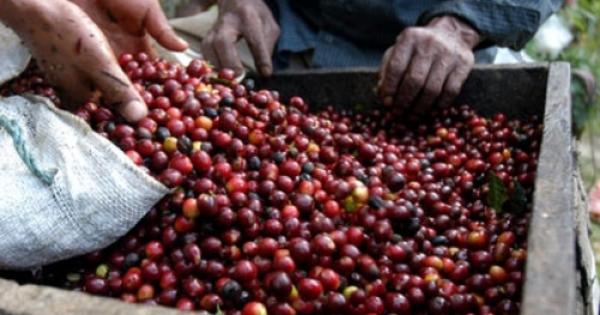
Farmers handpick ripe coffee cherries, ensuring only the best fruit is selected. These are then delivered to the nearby Cafe de Eleta S.A. processing facility, just 4 kilometres away. This modern mill includes a well-equipped laboratory for quality control, cupping, and manual sorting to ensure only the highest-grade beans make it to market.
The estate employs both washed (wet) and natural (sun-dried) processing methods. In the washed process, coffee cherries are depulped, fermented, and washed before being dried on patios. The natural method involves drying the whole cherry in the sun, which enhances sweetness and body. Both methods aim to highlight the innate qualities of the Geisha variety.
The Global Rise of Panamanian Geisha Coffee
Although Panama has produced coffee since 1780—when European settlers first introduced Typica trees—it wasn’t until the rise of the third wave and the discovery of Geisha’s distinctive citrus, jasmine, and tropical fruit notes that the country gained international acclaim. Geisha originated in Ethiopia’s Gori Gesha forest, but it was in Panama, particularly in Boquete, that the variety found conditions to express its full potential.
The region’s high altitudes, volcanic soils, and stable microclimates allow Geisha to develop exceptional sweetness, floral aromas, and bright acidity. These qualities have made Panamanian Geisha not just a sought-after single origin, but also a frequent winner at global cupping competitions.
Frequently Asked Questions
Where is the Maccubit Estate located?
The Maccubit Estate is located in Panama’s Boquete region, within the high-altitude Boquete Highlands near the slopes of Volcán Barú, at elevations between 1,000 and 2,000 metres above sea level.
What coffee processing methods does Maccubit Estate use?
Maccubit Estate uses both washed (wet) and natural (sun-dried) processing methods. Washed coffee is depulped, fermented, and washed before drying, while natural coffee is dried with the cherry intact to enhance sweetness.
Why is Boquete ideal for growing specialty coffee?
Boquete’s high altitude, volcanic soils, frequent fog, consistent rainfall, and mild temperatures create slow cherry development, leading to complex flavours and high cup quality in specialty coffee.
What is special about Geisha coffee from Panama?
Panama’s Geisha coffee is known for its distinctive floral, citrus, and tropical fruit flavours, high acidity, and sweet profile. These traits were first widely recognised in Boquete, making the region synonymous with premium Geisha.
How are coffee cherries processed at Maccubit Estate?
Farmers handpick ripe cherries, which are sent to the nearby Cafe de Eleta S.A. mill. There, the cherries undergo either washed or natural processing, followed by quality checks, cupping, and manual sorting in a modern lab.
Recommended FrontStreet Beans for Geisha Fans
Try FrontStreet Coffee’s Panama Boquete Geisha for vibrant floral and citrus notes typical of the region. For a classic example, the FrontStreet Panama Boquete Geisha showcases the hallmark traits of the variety—think jasmine, stone fruit, and grapefruit. If you prefer something more accessible but still exceptional, the FrontStreet Panama Geisha offers balanced sweetness and tropical hints. All are grown in high-altitude Boquete, near the volcanic soils of Volcán Barú. Freshly roasted within 5 days · Orders placed before 17:00 ship the same day · Next-day delivery across most of Guangdong Province.
FrontStreet Coffee is a long-established specialty coffee roaster in Guangzhou China, selling freshly roasted beans from its own farm in Yunnan as well as dozens of carefully selected single-origin beans from around the world for both pour-over and espresso. The products deliver consistently excellent quality and great value, with shipping within 24 hours. Guangzhou's FrontStreet Coffee shop is recommended by many coffee lovers, and the beans are now available online at the Tmall 。
Important Notice :
前街咖啡 FrontStreet Coffee has moved to new addredd:
FrontStreet Coffee Address: 315,Donghua East Road,GuangZhou
Tel:020 38364473