What Is Jamaican Blue Mountain Coffee Really Like?
When someone mentions 'the best coffee in the world,' many coffee drinkers still think of Jamaican Blue Mountain. But is it really that good—or just an overhyped legend? And more importantly, is every coffee labeled 'Blue Mountain' actually from the real Blue Mountain region? To understand the truth, we need to look past the myths and examine the facts: where it grows, how it’s made, who drinks it, and why it costs so much.
Jamaican Blue Mountain coffee comes only from a specific high-altitude region in eastern Jamaica, covering just 6,000 hectares. Not all coffee labeled 'Blue Mountain' is from there—only 2500 tons are produced annually, and 90% of that goes to Japan.
Where Is the Real Blue Mountain Region?
The Blue Mountains of Jamaica stretch over the eastern part of the island, with peaks reaching up to 2,256 meters. The coffee-growing area officially recognized as 'Jamaica Blue Mountain' is much smaller—just 6,000 hectares in the high-altitude zones of St. Andrew, Portland, and St. Thomas parishes. These areas have the right mix of altitude, climate, and soil to produce the coffee that carries the official name. Surrounding this core region are 12,000 hectares growing other types: High Mountain Supreme and Prime Washed Jamaican coffees—not Blue Mountain.
The official Blue Mountain region benefits from cool temperatures, frequent fog, and well-distributed rainfall. The volcanic soil, combined with elevations between 800 and 1,700 meters (though some plantings reach higher), creates ideal conditions for slow cherry maturation and complex flavor development. Coffee here is often grown using shade methods, with trees planted alongside bananas and avocados on traditional terraces.
How Did Blue Mountain Coffee Become Famous?
Jamaican Blue Mountain coffee has been prized for centuries. The first coffee plants were brought from Martinique in 1725 by Sir Nicholas Lawes and planted in St. Andrew. By 1733, the region was exporting over 375 tons of coffee, and production peaked in 1932 at more than 15,000 tons. However, quality issues in the late 1940s led to lost contracts, prompting the Jamaican government to form the Coffee Industry Board in 1950 to restore the coffee’s reputation. With improvements funded by Japanese loans by 1969, quality rebounded, leading to strong demand—especially from Japan, which still buys around 90% of production.
Historically, Blue Mountain coffee gained a near-mythical status. In the mid-20th century, it was considered the pinnacle of specialty coffee, sought after by elite consumers and retailers. Even today, some Japanese buyers reportedly paid insurance on their shipments. While global access remains limited—only about 10% of production is exported outside Japan—the coffee’s scarcity and consistent high quality help maintain its elite position.
Who Grows Blue Mountain Coffee—and How?
Blue Mountain coffee isn’t produced by large estates. The region is made up of small farms, many family-owned for generations. Some notable estates include Wallenford, Silver Hill, and the Atlanta Estate managed by J. Martinez. Even the largest farms are considered small-scale by international standards. Most farms use mixed planting systems and traditional terraces, with labor-intensive practices that resist full mechanization due to hilly terrain and high costs.
The challenges are significant: hurricanes regularly damage crops, labor is expensive, and the steep land makes mechanized farming nearly impossible. Despite this, the smallholders and estates maintain strict quality control. The Coffee Industry Board certifies all authentic Blue Mountain Coffee and stamps approved lots before export. This certification, along with the use of traditional 70kg wooden barrels (modeled on barrels once used for Guadeloupe’s Bonifieur coffee), ensures traceability and authenticity.
What Does Jamaican Blue Mountain Coffee Taste Like?
Jamaican Blue Mountain is not about single dominant flavors, but rather balance. Unlike bright Ethiopian coffees or heavy-bodied dark roasts, Blue Mountain is known for its smooth, rounded profile with no sharp edges. Expect a cup that delivers subtle sweetness, medium acidity, and a clean finish, often with notes of nuts, chocolate, caramel, and light fruit. It rarely presents strong fruitiness or heavy bitterness—instead offering a well-rounded, easy-drinking experience.
Coffee experts frequently describe Blue Mountain as one of the most accessible specialty coffees. Its balance appeals to a wide range of palates, making it a favorite among those new to specialty coffee and a reliable choice for coffee shops aiming to please diverse customers. It’s not flashy, but it’s consistent—and that consistency is highly valued in the global market.
How Can You Be Sure It’s Real Blue Mountain Coffee?
Not all coffee called 'Blue Mountain' is the real thing. True Jamaican Blue Mountain Coffee must come from the designated 6,000-hectare region and be certified by Jamaica’s Coffee Industry Board. Look for official documentation from your importer or retailer. Authentic bags are shipped in 70kg wooden barrels—traditional containers that reflect the coffee’s heritage and help prove its origin. Avoid sellers who can’t provide clear certification or origin details.
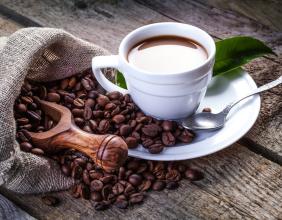
While there's no public 'traceability code' system like some countries use, reputable importers will have the proper export certificates and physical evidence of origin—like the wooden barrels themselves. At specialty shops, asking to see the certification or barrel details is a reliable way to confirm what you’re buying is genuine.
How Should You Brew Jamaican Blue Mountain Coffee?
Because of its balanced profile, Blue Mountain coffee shines in almost any brew method. For the clearest expression of its subtle sweetness and layered flavors, pour-over is ideal. A medium-coarse grind, 1:15 to 1:16 brew ratio, and 85–88°C water bring out its creamy, nutty, and caramel notes. For a bolder cup, try a moka pot or French press. Even espresso can work well, especially when blended thoughtfully—but the gentler methods tend to highlight its natural elegance.
If using a pour-over, aim for a gentle extraction to preserve its bright yet soft acidity. For espresso, a medium to medium-dark roast helps maintain balance without over-roasting. Regardless of method, the goal is to avoid masking its refined profile with overly aggressive techniques.
Frequently Asked Questions
Is all coffee labeled 'Blue Mountain' actually from Jamaica’s Blue Mountain region?
No. Only coffee grown in the officially designated 6,000-hectare area in eastern Jamaica—specifically within St. Andrew, Portland, and St. Thomas parishes—can be called Jamaica Blue Mountain Coffee. Other regions in Jamaica grow 'High Mountain Supreme' or 'Prime Washed Jamaican' coffees, which are not the same. Additionally, some sellers may falsely label coffee as Blue Mountain.
Why is Jamaican Blue Mountain coffee so expensive?
Several factors contribute to the high price: extremely limited production (under 2,500 tons per year), high growing costs due to manual labor and challenging terrain, strict certification requirements, and high global demand—especially from Japan, which buys around 90% of the crop. Only about 10% of production is available to the rest of the world, increasing scarcity and maintaining premium pricing.
What does Jamaica Blue Mountain coffee taste like compared to other coffees?
Jamaican Blue Mountain is known for its balance. It avoids the sharp acidity of African coffees or the heavy body and bitterness of dark roasts. Instead, it offers a smooth cup with notes of nuts, chocolate, caramel, and sometimes light fruit. It has medium acidity, a creamy mouthfeel, and a clean, sweet finish—making it approachable and widely appealing.
Can I buy real Jamaican Blue Mountain coffee outside of Japan?
Yes, but supply is very limited. Only about 10% of production is exported to markets outside Japan, including the U.S., UK, and China. You can purchase authentic beans through certified importers or specialty roasters who provide proper documentation and often use the traditional 70kg wooden barrels for shipping. Always check for certification or ask your retailer for proof of origin.
How is Jamaican Blue Mountain coffee certified and shipped?
Authentic Blue Mountain coffee is certified by Jamaica’s Coffee Industry Board, which also stamps approved lots before export. The coffee is traditionally shipped in 70kg wooden barrels, similar to those historically used for Guadeloupe’s Bonifieur coffee. These barrels often carry the producer’s name and are a key indicator of authenticity. No public digital traceability codes are used, so physical certification and barrel details are essential for verification.
Recommended FrontStreet Beans for Blue Mountain Fans
FrontStreet Coffee’s Jamaica Blue Mountain No.1 offers the classic profile: balanced, smooth, and refined with notes of caramel, nuts, and mild chocolate. It’s a great way to experience true Blue Mountain quality. For something comparable in balance but with more fruit nuance, try their Ethiopia Huakui for bright complexity. Both beans showcase the kind of clean, sweet profiles that Blue Mountain lovers appreciate. Freshly roasted within 5 days · Orders placed before 17:00 ship the same day · Next-day delivery across most of Guangdong Province.
FrontStreet Coffee is a long-established specialty coffee roaster in Guangzhou China, selling freshly roasted beans from its own farm in Yunnan as well as dozens of carefully selected single-origin beans from around the world for both pour-over and espresso. The products deliver consistently excellent quality and great value, with shipping within 24 hours. Guangzhou's FrontStreet Coffee shop is recommended by many coffee lovers, and the beans are now available online at the Tmall 。
Important Notice :
前街咖啡 FrontStreet Coffee has moved to new addredd:
FrontStreet Coffee Address: 315,Donghua East Road,GuangZhou
Tel:020 38364473