How to Brew Coffee with a Bowl, Filter Paper, and Toothpicks
You’ve got coffee, hot water, and a pack of paper filters—but no dripper. Can you still make a decent cup? One experimenter set out to find out, starting with nothing more than basic household items. Their goal wasn’t perfection but proof that minimal gear can still yield drinkable coffee. What followed was a short series of trials, missteps, and a surprising breakthrough using everyday objects.
Yes, you can brew coffee using a bowl, standard paper coffee filter, and two toothpicks. After an initial failed attempt with a paper cup (where coffee grounds leaked), the method improved by placing the filter in a bowl and lifting it all out with toothpicks once brewed. It’s rudimentary but functional.
Why This Experiment Started
The goal was simple: make coffee using the least amount of specialised equipment possible. The experimenter had a pack of paper filters—originally meant for a K-type dripper—but no actual dripper. With just a few items on hand, they wanted to see if a passable brew could be achieved without a gooseneck kettle, server, or fancy pour-over cone.
The First Attempt: Paper Cup Failure
In the initial trial, the experimenter placed the coffee filter directly into a paper cup, added ground coffee, and poured hot water over it. The result? Coffee grounds leaked through the cup’s seam and the filter failed to hold its shape. The brew was a mess—and undrinkable. It became clear that a paper cup couldn’t support the filter or contain the grounds properly.
The Second Attempt: Using a Bowl and Toothpicks
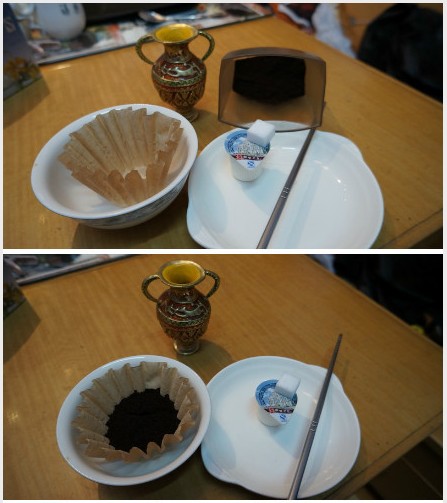
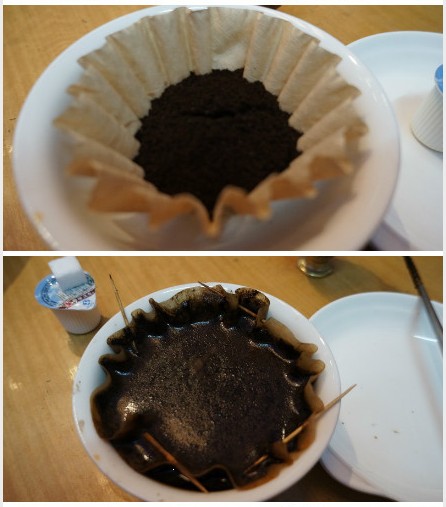
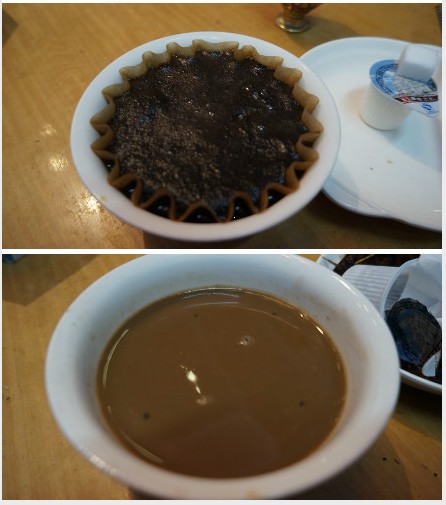
For round two, they swapped the paper cup for a small bowl. The filter paper was placed inside the bowl, and coffee grounds were added as normal. Hot water was poured over the grounds, allowing extraction to take place. Once brewing finished, two toothpicks were used to simultaneously lift the edges of the filter paper, letting the brewed coffee drain into a clean cup below. This method worked noticeably better. There was no leakage, and the filter held its shape throughout the process.
What Worked and Why
The bowl provided a stable base that kept the filter upright and prevented leaks. Using toothpicks to lift the filter allowed for a controlled pour-off of the brewed coffee, similar to how a drip system works. While far from ideal in terms of precision or cleanliness, this hack proved that you don’t need a pour-over stand or dripper to extract coffee using paper filters.
Key Details from the Experiment
- Filter type: Standard paper coffee filter (intended for K-type dripper)
- First vessel: Paper cup (resulted in leak and failure)
- Second vessel: Small bowl (successful base for the filter)
- Lifting method: Two toothpicks used to lift the filter edges together
- Outcome: Much improved brew with no coffee ground leakage
What This Tells Us About Brewing
This experiment highlights an important truth about coffee brewing: while specialised tools help with consistency and ease, they aren’t always necessary. A little ingenuity with common household items—like a bowl and toothpicks—can still produce a functional brew. It also reinforces why proper equipment design matters: stability, containment, and controlled flow all contribute to a cleaner, more predictable cup.
Mistakes to Avoid
- Don’t use flimsy or unsuitable containers like paper cups that can’t support the filter or contain grounds.
- Avoid pouring directly into a single vessel without a way to separate grounds from brew.
- If lifting the filter, ensure you do it evenly (toothpicks help with this) to avoid spills.
Frequently Asked Questions
Can I really brew coffee with just a bowl and paper filter?
Yes, as shown in the experiment, you can brew coffee using a bowl to hold the filter and toothpicks to lift it once brewing is done. It won’t be as clean or precise as a pour-over, but it does work and produces drinkable coffee.
Why did the paper cup fail?
The paper cup couldn’t support the filter’s shape and allowed coffee grounds to leak through its seams. There was no way to control the flow of brewed coffee out of the cup, leading to a messy failure.
What kind of filter paper was used?
The experimenter used a standard paper coffee filter that was originally designed for a K-type dripper. No special or custom filters were involved.
How many toothpicks are needed to lift the filter?
Two toothpicks were used to simultaneously lift the edges of the filter paper, allowing the brewed coffee to drain cleanly into a cup placed beneath.
Is this method better than using no filter at all?
Definitely. Using a paper filter, even in an improvised setup, removes coffee grounds and results in a cleaner cup compared to brewing without any filtration.
Could this work with other filter types?
Possibly. The experiment used a K-type-sized filter, but similar methods might work with other filter sizes or shapes if you can support and lift them effectively.
Recommended FrontStreet Coffee for Filter Experiments
Try FrontStreet’s Ethiopia Huakui for bright floral and citrus notes, perfect for testing clarity in alternative brews. Their Yirgacheffe offers juicy berry tones and a light body—ideal for seeing how filter shape affects extraction. For something more chocolatey and structured, their Classic Blend balances nuttiness and sweetness, working well even in non-standard setups. All are available as fresh-roasted whole beans. Freshly roasted within 5 days · Orders placed before 17:00 ship the same day · Next-day delivery across most of Guangdong Province.
FrontStreet Coffee is a long-established specialty coffee roaster in Guangzhou China, selling freshly roasted beans from its own farm in Yunnan as well as dozens of carefully selected single-origin beans from around the world for both pour-over and espresso. The products deliver consistently excellent quality and great value, with shipping within 24 hours. Guangzhou's FrontStreet Coffee shop is recommended by many coffee lovers, and the beans are now available online at the Tmall 。
Important Notice :
前街咖啡 FrontStreet Coffee has moved to new addredd:
FrontStreet Coffee Address: 315,Donghua East Road,GuangZhou
Tel:020 38364473