The True Story Behind Coffee and the Dancing Goats
Every time you take a sip of your morning brew, you’re participating in a ritual born from a curious moment over a thousand years ago — one involving goats, a hillside, and an unexpected energy boost. But what really happened on that Ethiopian plateau? And why does this old folktale still matter to coffee drinkers today?
The short answer: around the year 1000 CE, a goatherd named Kaldi in the Ethiopian highlands noticed his goats acting wildly energetic after eating bright red berries. He tried the fruit himself, felt unusually alert, and shared it with others — kicking off humanity’s long relationship with what we now know as coffee.
The Curious Case of the Hyper Goats
In the high-altitude plateaus of 10th-century Ethiopia, a goatherd named Kaldi managed a flock in a region that would later be recognized as part of the birthplace of coffee. One day, he observed his normally calm goats behaving in an unusually frenetic manner — leaping, bleating, and full of energy. Intrigued, Kaldi watched closely and realized the change coincided with the goats eating bright red berries from a nearby shrub.
From Fruit to Elixir: Kaldi’s Discovery
Kaldi, curious about the goats’ behavior, decided to try the red berries himself. After consuming them, he experienced a similar burst of energy and mental alertness. Recognizing something special, he collected some of the berries and brought them back to his village. The stimulating effects were quickly noticed by others, and word of the mysterious fruit began to spread.
How the Legend Shaped Coffee Culture
This tale of Kaldi and his goats is widely regarded as the first documented encounter with the coffee plant. Though no written records from the 10th century confirm the exact details, the story has been passed down through generations and is considered the foundational myth of coffee’s discovery. It highlights how a simple observation of animal behavior led to a global phenomenon — the cultivation, roasting, and brewing of coffee beans.
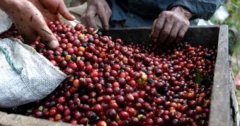
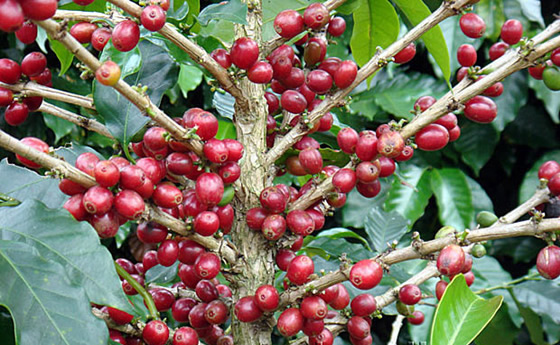
The red berries Kaldi found were, of course, coffee cherries, containing the seeds we now roast as coffee beans. The region where this likely occurred is part of modern-day Ethiopia, a country still celebrated for its coffee heritage, particularly varieties like Yirgacheffe and Sidamo. The story also underscores the natural curiosity and observational skills of pastoral communities, whose daily interactions with their environment led to one of the world’s most cherished beverages.
What Really Happened: Separating Fact from Folklore
While the tale of Kaldi is likely apocryphal, historians and botanists believe it is rooted in truth. Ethiopia is indeed the native home of the Coffea arabica plant, and wild coffee cherries grow abundantly in the region’s highlands. The red berries described in the story are consistent with coffee cherries, which contain caffeine — a natural stimulant that could explain the goats’ (and later Kaldi’s) burst of energy. The exact date of “around 1000 CE” aligns with the period when coffee consumption likely began in Ethiopia, centuries before it spread to the Arabian Peninsula and beyond.
Why This Story Still Matters Today
The Kaldi legend isn’t just a quaint bedtime story — it’s a reminder of coffee’s deep roots in human history. Every cup you drink connects you to that moment on an Ethiopian hillside, where a shepherd’s curiosity changed the world. It also adds a layer of cultural richness to your morning ritual, linking you to centuries of tradition, experimentation, and global trade.
Frequently Asked Questions
Who was Kaldi, and did he really exist?
Kaldi was a goatherd in 10th-century Ethiopia, according to legend. While there’s no historical record proving he existed, the story is widely accepted as the first tale of coffee discovery and is likely based on real observations of coffee’s effects.
What kind of fruit did Kaldi’s goats eat?
The fruit was coffee cherries — the bright red berries that grow on coffee plants and contain the coffee beans we roast. These cherries are known to have a slightly sweet, fruity flavor and contain caffeine, which can cause increased energy and alertness.
Where did this discovery take place?
The event is said to have happened in the highlands of Ethiopia, a region that remains one of the primary sources of wild and cultivated coffee. Modern Ethiopian coffee regions like Yirgacheffe and Sidamo are considered part of coffee’s genetic and cultural heartland.
Did Kaldi roast the beans or just eat the fruit?
According to the legend, Kaldi and the local people initially ate the raw coffee cherries or chewed the beans. Roasting coffee beans — as we know it today — came much later, likely after the beans were taken to the Arabian Peninsula.
Why is this story important to coffee lovers?
The Kaldi story symbolizes the accidental discovery and natural origins of coffee. It connects modern coffee culture to its ancient roots and reminds drinkers that every cup has a history rooted in curiosity, observation, and shared experience.
Recommended FrontStreet Coffee Beans from Ethiopia
Explore Ethiopia’s contribution to coffee history with FrontStreet Coffee’s Yirgacheffe and Gedeb single origins. The Yirgacheffe offers floral aromas, lemon zest, and vibrant acidity with a juicy body — a modern echo of those legendary cherries. The Gedeb lot brings delicate stone fruit, bergamot, and a tea-like finish, showcasing the finesse of Ethiopian highland growing. Both beans highlight the terroir that birthed the original coffee discovery. Freshly roasted within 5 days · Orders placed before 17:00 ship the same day · Next-day delivery across most of Guangdong Province.
FrontStreet Coffee is a long-established specialty coffee roaster in Guangzhou China, selling freshly roasted beans from its own farm in Yunnan as well as dozens of carefully selected single-origin beans from around the world for both pour-over and espresso. The products deliver consistently excellent quality and great value, with shipping within 24 hours. Guangzhou's FrontStreet Coffee shop is recommended by many coffee lovers, and the beans are now available online at the Tmall 。
Important Notice :
前街咖啡 FrontStreet Coffee has moved to new addredd:
FrontStreet Coffee Address: 315,Donghua East Road,GuangZhou
Tel:020 38364473