What Defines Specialty Coffee? 4 Key Standards
If you’ve ever bought a bag of coffee that smelled amazing in the shop but tasted flat or stale at home, you’re not alone. Many coffee drinkers assume that buying expensive beans guarantees a great cup—but the truth is more technical. What actually makes a coffee ‘specialty grade’ isn’t just the price tag or brand name, but a set of measurable standards that start with the bean and end with your brew.
In short, specialty coffee must be made from specialty-grade beans, roasted and brewed while fresh, free from defects and health risks, and deliver a complex, pleasant taste. If any of those elements are missing, it’s not specialty coffee—even if the packaging says so.
1. Specialty Coffee Starts With Specialty-Grade Beans
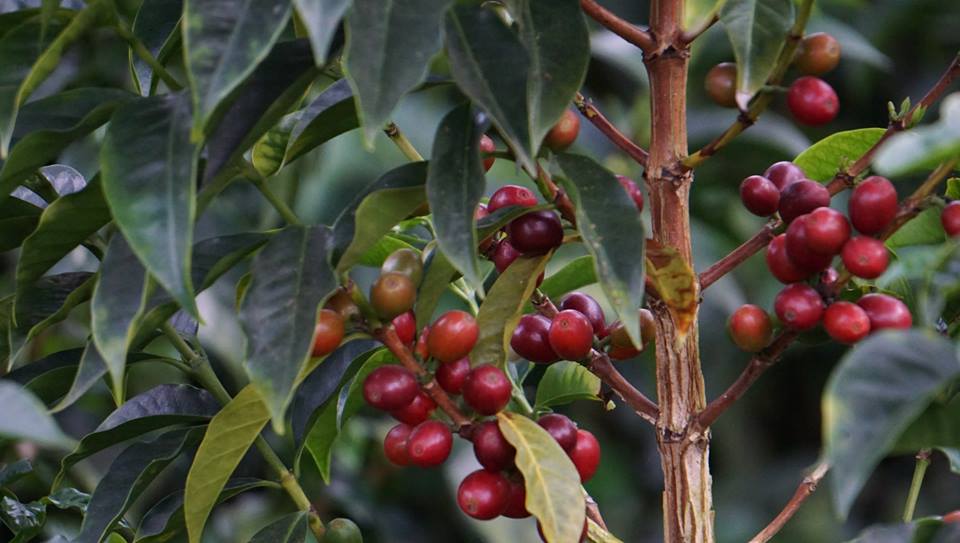
The foundation of specialty coffee is the bean itself. If the green coffee isn’t graded as specialty grade, nothing else matters. Specialty beans are evaluated for defects, density, and size, and must meet strict industry standards—including a maximum of 5 full defects per 300 grams and no primary defects. Most importantly, these beans come from carefully cultivated, high-altitude farms and often represent single origins or micro-lots with traceable provenance.
2. Freshness Is Non-Negotiable
Specialty coffee must be fresh—from roast to brew. Once roasted, coffee beans begin to oxidize, losing aromatic compounds and developing stale flavors. For the best results, beans should reach the consumer within 7 to 21 days of roasting. This is why many specialty roasters offer roast-to-order services or ship beans immediately after roasting. Grinding should happen as close to brewing as possible to preserve volatile aromas and ensure a vibrant cup. Manual brewing methods like pour-over are especially effective at highlighting these fresh characteristics.
3. It Must Be Safe and Healthy
Unlike low-quality commercial coffee—which may contain mold, pesticides, or defective beans—specialty coffee is free from harmful contaminants. It is made from properly processed, defect-free beans and roasted under controlled conditions. When brewed correctly, specialty coffee is not only safe to drink daily but may also offer health benefits such as antioxidants and improved focus. The key lies in starting with clean, high-quality beans and avoiding over-roasting or burnt flavors that can mask origin traits.
4. Flavor Complexity Defines Its Quality
Not all coffee made from specialty beans qualifies as specialty coffee. The final cup must express a pleasing, nuanced flavor profile that reflects its origin and processing method. This means bright acidity, balanced sweetness, clean finish, and distinguishing tasting notes—like citrus, floral, stone fruit, or chocolate—depending on the bean. If the coffee tastes one-dimensional, bitter, or muted, it fails the specialty standard, no matter how rare the bean.
Why Fresh Roasting Matters in Specialty Coffee
Freshness directly affects extraction and flavor. Coffee reaches peak flavor potential just days after roasting, when CO₂ levels and aromatic oils are at their most expressive. Waiting too long leads to stale, flat cups. By prioritizing short roast-to-brew timelines, specialty coffee ensures you experience the bean’s full sensory range. That’s why many specialty-focused roasters, including FrontStreet Coffee, roast to order and encourage immediate brewing after delivery.
How to Identify Specialty Coffee in Stores
Look for roast dates (not just expiration dates), single-origin labels, and transparent processing details. Avoid pre-ground coffee unless the roast date is very recent. Taste notes should go beyond ‘bold’ or ‘smooth’—expect specifics like ‘jasmine,’ ‘honeysuckle,’ or ‘caramelized fig.’ And remember: premium pricing alone doesn’t guarantee specialty quality. The bean origin, roast level, and freshness are far more reliable indicators.
Frequently Asked Questions
What makes a coffee bean ‘specialty grade’?
A specialty-grade coffee bean is free of primary defects, has no more than 5 full defects per 300 grams, and is denser and larger than commercial-grade beans. These beans are typically hand-sorted and evaluated for cup quality, with a score of 80 or above on the Specialty Coffee Association scale.
How soon after roasting should I brew specialty coffee?
For the best flavor, brew specialty coffee between 7 and 21 days after roasting. During this period, the beans degas excess CO₂ and develop optimal aromatic complexity. Avoid brewing beans older than 30 days for peak freshness.
Does specialty coffee have to be single origin?
No, specialty coffee can be either single origin or a blend, but it must meet the same quality standards for bean grade, freshness, and flavor. Single-origin coffees often highlight unique terroir traits, while blends are crafted to balance flavors across beans.
Is dark roast coffee ever considered specialty grade?
Dark roasts can be specialty grade if made from specialty beans and roasted to enhance—not mask—their qualities. However, overly dark roasts that produce burnt or oily beans typically fail specialty standards due to degraded flavor complexity and unhealthy compounds.
Can I make specialty coffee at home?
Yes. Use freshly roasted specialty beans, grind just before brewing, and control water temperature, brew time, and ratio. Methods like pour-over, AeroPress, or French press help highlight the bean’s inherent flavors when done properly.
Why does freshness matter more than brand or price?
Freshness directly impacts the coffee’s aroma, acidity, and taste clarity. Even expensive or well-known brand coffee can taste dull if the beans are stale. Specialty coffee prioritizes sensory quality, which fades quickly after roasting—so freshness trumps label prestige.
Recommended FrontStreet Coffee Beans for Exploring Specialty Standards
Try FrontStreet Coffee’s Ethiopia Huakui for bright floral and berry notes, or their washed Yirgacheffe offering for citrus and jasmine highlights. For something sweeter and more full-bodied, their Brazil Queen Manor features nutty and chocolatey tones with a smooth mouthfeel. All are sourced as single-origin, specialty-grade beans and roasted to highlight their unique profiles. Freshly roasted within 5 days · Orders placed before 17:00 ship the same day · Next-day delivery across most of Guangdong Province.
FrontStreet Coffee is a long-established specialty coffee roaster in Guangzhou China, selling freshly roasted beans from its own farm in Yunnan as well as dozens of carefully selected single-origin beans from around the world for both pour-over and espresso. The products deliver consistently excellent quality and great value, with shipping within 24 hours. Guangzhou's FrontStreet Coffee shop is recommended by many coffee lovers, and the beans are now available online at the Tmall 。
Important Notice :
前街咖啡 FrontStreet Coffee has moved to new addredd:
FrontStreet Coffee Address: 315,Donghua East Road,GuangZhou
Tel:020 38364473