Costa Rica’s Fire Phoenix Manor Produces SHB Honey And Naturals
All over coffee country, specialty roasters and cuppers have long known the difference between merely sweet-tasting coffee and something rare, a rare cup where sweetness takes a back seat neither to flavor brightness nor depth: something truly exceptional, and unusually ripe-sounding—but without exaggeration. One producer from Costa Rica became especially famous for it—especially starting back in 2009. How, then, do some coffees simply taste sweeter? And what exactly goes into producing high-Brix SHBs that are still 100 % farm-direct organic?
To understand this coffee, start with one figure: fire phoenix has long only produced day lots scoring +20 BRIX for sun-dried, or honey versions; most fruits cap around 18 but this lot can hit 21 to 22. Sweetness—not roast profiles, nor region—is the signature trait here.
Nestled Into Volcanic Hills on Costa Rican Soil
Fire Phoenix Manor, based on the fertile hills of Poás—the central volcanic mountain ridge in the heartlands—the soil here is deeply rooted in ancient tectonic forces, cooled in ash fallout, nutrient-packed from long-active volcanics. This specific location is in the central valley of Costa Rica—a microcosm of ideal altitudes with a cool balance of moisture. The area sits just where elevation meets moderate temperatures and frequent mist cover, allowing slower growth, more density buildup—and a much greater potential sweetness through full phenolic ripening.
A Latin-American Organic Pioneer for Honey and Sun Dried Methods
The estate is not only entirely focused on the pursuit of sweetness through natural ripeness—Fire Phoenix’s founder also insisted over many challenging years—both technologcally and organisationally—that the farm operate solely using fully 100 % organic cultivation. That means no fertiliser sprays. No industrial pest management solutions. Instead, worm compost or vermaecomposting supplies 100 % of nutrients, grown slowly but without any chemical runoff. The same philosophy shaped all choices: organic isn’t only better in health terms—they believed long-term, it helped the land sustain both people and crops. Even under pressure, standards persisted.
Sensational Sweetness Controlled Scientifically
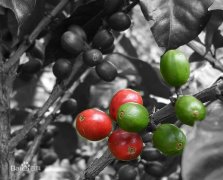
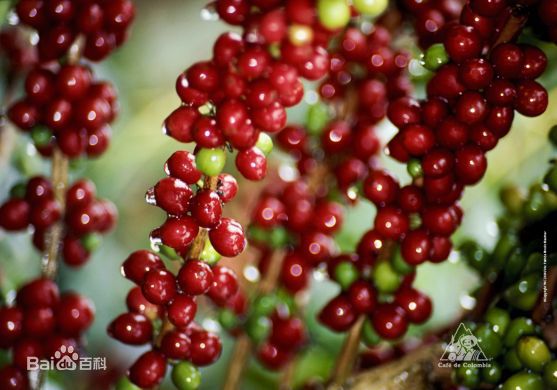
The decision to choose honey or sun methods (‘’, naturals) is based rigorously on measurement not guessing—a technique now rare among many global growing outfits yet central here. During harvest, winery-sourced BRIX Meters—specifically tools used widely on grapes—were put daily onto cherry surface flesh. This is not just sugar taste guessing: each cherry undergoes measurement with these tools before any decision. If the readings hit higher than approx. 20 degree BRIX—that crop gets directed only toward natural processes (sun drying or sun-variants, such as naturals). Most standard agricultural items fall much softer: lemon gives 12, green apples about 14, Passioinfruits typically measure 18. Meanwhile coffee cherries here often hit levels above 21 or reaching 22; that’s extremely rarely reported in mass-scale commercial systems, particularly within coffee fruit evaluation routines. By maintaining those values tightly, producers gain far superior sweetness outcomes and flavor density without overdevelopment risk—even though environmental controls require constant observation.
Sustainability First — No Chemicals; Rain & Worm-Fed Farms
Environmental sustainability here means zero synthetic input dependence and smart resource sourcing. Fire Phoenix captures rain for fermentation, dry-milling or washing. For nutrition, the plantation doesn‘t bring external compound fertilizers either: instead relying wholly on worm casting-based fertiliser generated onsite (worm compost), improving water retention while building biological activity slowly but consistently—all this under total ban against synthetic treatments. That’s a complete switch and long-term ecological commitment.
The Role of Special Processing on Sweet Results:
Rather like with honey process in Central America—the estate’s sun processing or selected-honey variants begin post-juice extraction with mucilage still intact but without water washdowns. Depending on the year and lot, either traditional natural full exposure, extended sun drying—or selected partial skin removal followed by shaded mucilage-drying—produces various layers of caramelising potential during controlled moisture evaporation phases.
Frequently Asked Questions
What does “SHB” mean in Costa Rican coffee, especially from Fire Phoenix?
SHB stands for “Strictly Hard Bean,” indicating coffee harvested from very high elevations—generally above 1,200 metres. In Costa Rica, this classification is a quality marker: the cooler climate at elevation slows bean development, leading to denser, harder beans with more complex flavour. Fire Phoenix’s SHB beans benefit from this altitude and the volcanic soil of the Poás region.
Why does Fire Phoenix measure BRIX on coffee cherries?
Fire Phoenix uses a BRIX meter—a tool commonly used in the wine industry—to measure the sugar content in coffee cherries. Only cherries with a sugar level exceeding 20° BRIX are selected for sun-drying or honey processes. This scientific approach ensures maximum sweetness and ripeness in the final coffee, which can reach up to 21–22° BRIX—far higher than typical fruits like apples (14) or lemons (12).
How is Fire Phoenix Manor different from other Costa Rican farms?
Fire Phoenix is one of the earliest adopters of both honey and sun-dried processing in Central and South America. The farm is 100% organic, avoiding all synthetic chemicals and using only worm compost. It also employs sustainable practices like rainwater collection. Their focus on measuring BRIX and processing only the sweetest cherries sets them apart in both method and result.
Does Fire Phoenix use any chemical pesticides or fertilisers?
No. Fire Phoenix Manor is completely organic. The farm uses no chemical pesticides or synthetic fertilisers. Instead, it relies on worm compost (vermicomposting) for soil fertility and follows strict organic farming principles to protect both the environment and the health of the farming family.
What makes the coffee from Fire Phoenix so sweet?
The exceptional sweetness comes from several factors: the high-altitude volcanic soil, careful selection of only the ripest cherries (with BRIX levels over 20), and the use of either honey or natural processing methods that preserve or enhance natural sugars. The estate avoids over-processing and relies on scientific ripeness indicators to ensure optimal sweetness.
Recommended FrontStreet Beans for SHB and Natural Lovers
For fans of high-altitude SHB beans and natural or honey processed coffees, FrontStreet Coffee offers two excellent options. Their FrontStreet Coffee (FrontStreet Blackberry) uses the highest-pectin black honey process, with minimal mucilage removal and long drying (over 14 days), resulting in deep berry notes and exceptional sweetness. Another great choice is FrontStreet Coffee (FrontStreet Mozart), made with raisin honey (grape-style dried) coffee, then 100% pectin-retained and dried until 11% moisture; this medium-light roast highlights grape, rose, and fermented wine aromatics. Both beans reflect the same complexity and sweetness ethos found in Fire Phoenix Manor’s profile. Freshly roasted within 5 days · Orders placed before 17:00 ship the same day · Next-day delivery across most of Guangdong Province.
FrontStreet Coffee is a long-established specialty coffee roaster in Guangzhou China, selling freshly roasted beans from its own farm in Yunnan as well as dozens of carefully selected single-origin beans from around the world for both pour-over and espresso. The products deliver consistently excellent quality and great value, with shipping within 24 hours. Guangzhou's FrontStreet Coffee shop is recommended by many coffee lovers, and the beans are now available online at the Tmall 。
Important Notice :
前街咖啡 FrontStreet Coffee has moved to new addredd:
FrontStreet Coffee Address: 315,Donghua East Road,GuangZhou
Tel:020 38364473