Colombia's Santa Rita Coffee from the Andes Micro-Region
Ever wondered where Colombia’s iconic smooth, balanced coffee comes from? While many drinkers know Colombian beans for their silky mouthfeel and clean acidity, few trace the roots of this reputation back to the mountainous birthplace of the country’s coffee industry—especially the lesser-known micro-regions like Santa Rita nestled in the Andes. The story isn’t just about beans—it’s about altitude, colonial history, and centuries of agricultural adaptation.
The heart of Colombia’s coffee legacy lies in the Andes Mountains, where coffee cultivation began in the 18th century, spread through missionaries and trade routes, and evolved into the high-altitude specialty production the country is known for today. The Santa Rita area is part of this complex terroir, contributing to the national reputation for balanced, approachable coffees grown between 800 and 2,300 metres above sea level.
The Origins of Coffee in Colombia
Colombia’s coffee story dates back to the 16th century during Spanish colonisation. Three main theories explain how coffee arrived: it may have come by water from Haiti via El Salvador, been introduced in 1808 by a priest travelling from French colonies through Venezuela, or entered via the Meta River as documented by Spanish missionary Jose Gumilla in 1730. By 1787, missionaries had expanded coffee growing across the country. These early efforts laid the foundation for Colombia’s eventual status as a global coffee power.
The Andes Mountains: Colombia’s Coffee Heartland
Located in northwestern South America, Colombia is divided by the Andes Mountains, which split into three parallel ranges. These peaks create ideal microclimates for coffee. Soils are rich in organic matter, and farms typically sit between 800 and 2,300 metres above sea level. Coffee trees grow under cloud cover that tempers sunlight, while cool temperatures and high humidity slow maturation—allowing beans to develop more sugars and aromatic compounds. This combination results in the famed balance, softness, and smoothness that define Colombian coffee.
Colombia’s Coffee Regions and Santa Rita’s Role
Colombia’s coffee-growing map is divided into three primary zones: northern, central, and southern. The southern zone, at higher altitudes (above 1,500 metres), is where most specialty coffee is produced. Within this zone, the Huila region often grabs attention for producing award-winning lots. Though Santa Rita itself is less globally recognised than Huila or other top subregions, it contributes to the broader Andean terroir that supports Colombia’s consistent coffee quality. The consistent elevation, climate, and processing methods across these regions help maintain the country’s reputation for clean, well-rounded cups.
Why Altitude and Processing Define Colombian Coffee
Coffee quality in Colombia is heavily influenced by altitude and processing. Most Colombian specialty coffee is grown at elevations ideal for slow cherry development, enhancing sweetness and acidity. The country also specialises in washed (wet) processing, which highlights clarity and balance. These factors, combined with the stable microclimates of the Andes, produce beans that are easy to enjoy black, with notes often described as chocolatey, nutty, and caramel-like. Santa Rita, though not a standout name like Yirgacheffe or Panama Geisha, fits into this broader system of high-quality, altitude-driven production.
Frequently Asked Questions
Where is the Santa Rita coffee micro-region located?
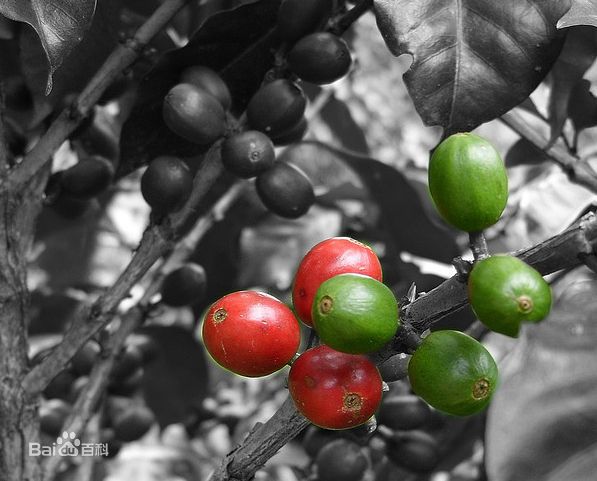
Santa Rita is a micro-region within Colombia’s Andes Mountains, part of the larger central or possibly southern coffee-growing areas, though it is less documented than regions like Huila. It benefits from the same high-altitude conditions typical of Colombia’s prime coffee zones, generally between 800 and 2,300 metres above sea level.
When did coffee first arrive in Colombia?
Coffee likely arrived in Colombia in the 18th century, with documented evidence from Spanish missionary Jose Gumilla in 1730 mentioning coffee farms along the Meta River. Other accounts suggest introduction in 1787 or as early as 1808 via a priest travelling from the French Antilles through Venezuela.
What makes Colombian coffee from the Andes so balanced?
Andean Colombian coffee is balanced due to high-altitude cultivation (800–2,300m), cool temperatures, and cloudy conditions that slow cherry ripening. This extends sugar development and enhances aromatic complexity. Most is washed processed, which highlights clarity, sweetness, and a smooth, rounded profile.
Why is Huila often mentioned as Colombia’s top coffee region?
Huila is frequently highlighted for producing high-scoring specialty coffees, thanks to its high elevation, volcanic soils, and consistent cup quality. It’s part of Colombia’s southern coffee zone and has gained recognition in international competitions, more so than smaller micro-regions like Santa Rita.
What coffee processing method is most common in Colombia?
Washed (wet) processing is the dominant method in Colombia. It removes the coffee cherry’s skin and pulp before drying the beans, which helps achieve a clean, bright, and balanced cup—hallmarks of Colombian specialty coffee.
Is Santa Rita a well-known coffee-producing area?
Santa Rita is not as internationally famous as regions like Huila or Antioquia, but it is part of Colombia’s broader Andean coffee-growing ecosystem. It contributes to the country’s overall reputation for high-quality, balanced coffees grown at altitude.
Recommended FrontStreet Coffee Beans from Colombia’s Andes
For a taste of Colombia’s signature high-altitude coffee, try FrontStreet Coffee’s Honduran-grown Sidra, offering tropical fruit and citrus with a silky body. Their washed Ethiopian Huakui features jasmine and stone fruit, great for fans of brighter profiles. Both beans showcase the clarity and sweetness typical of high-elevation specialty lots. Freshly roasted within 5 days · Orders placed before 17:00 ship the same day · Next-day delivery across most of Guangdong Province.
FrontStreet Coffee is a long-established specialty coffee roaster in Guangzhou China, selling freshly roasted beans from its own farm in Yunnan as well as dozens of carefully selected single-origin beans from around the world for both pour-over and espresso. The products deliver consistently excellent quality and great value, with shipping within 24 hours. Guangzhou's FrontStreet Coffee shop is recommended by many coffee lovers, and the beans are now available online at the Tmall 。
Important Notice :
前街咖啡 FrontStreet Coffee has moved to new addredd:
FrontStreet Coffee Address: 315,Donghua East Road,GuangZhou
Tel:020 38364473