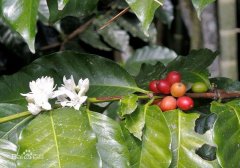
Bali’s Kintamani Volcano Coffee Processing Farm in Ubud
In Bali, coffee has long been treated as a cheap crop—its potential masked by inconsistent farming, poor processing, and a lack of quality control. Most beans were sold as low-grade commercial lots, their origin flavors lost before they even reached a cup. But one team of Q Graders set out to prove that Bali could produce specialty-grade coffee—and they did it by taking full control of the process, from cherry to cup.
The answer lies in a custom-built processing facility at 800 meters in Ubud, sourcing ripe cherries from 1,400-meter-high farms in the Kintamani volcano region. By separating harvests and experimenting with washed, honey, and natural methods, they achieved near-zero defect rates and produced coffees with brighter acidity and tropical fruit depth rarely seen outside Central America.
Bali’s Coffee Legacy: From Commodity to Craft
In Balinese tradition, coffee was a background crop—cheap, low-value, and inconsistent. Most beans were processed generically, leading to unreliable cup profiles and a reputation as bulk filler. For years, local farmers in the Kintamani highlands grew coffee, but factors like weather, berry quality, and rudimentary processing made it nearly impossible to achieve year-round excellence.
The Birth of a Specialty Processing Farm
Rodney, a Q Grader and co-founder of Bali’s only specialty coffee shop in the cultural hub of Ubud, refused to accept the status quo. Alongside two other Q-certified partners, he opened a shop equipped with a 1kg and a 4kg roaster, sourcing green beans exclusively from nearby high-quality regions including Java, Sulawesi, New Guinea, and Flores. Their success led them to dig deeper into quality—to grow it themselves.
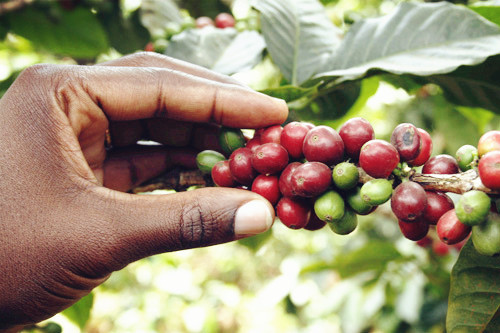
In 2015, Rodney began constructing a processing facility on his property, right next to the café. The goal: gain full control over post-harvest processing. Come harvest season, ripe coffee cherries are hand-selected from farms at 1,400 meters in the Kintamani volcanic region, then partially pre-processed on-site before being transported down to the 800-meter Ubud facility for final drying and milling.
Three Processing Methods, One Exceptional Result
In the most recent harvest, Rodney’s team processed three distinct experimental lots using washed, honey, and natural methods—all sourced from the same high-altitude region. The results shattered expectations:
- Washed and Honey Lots: Delivered bright, complex acidity with outstanding clarity—comparable to top-tier Central American microlots.
- Natural Processed Lot: Showcased intense tropical fruit notes including ripe peach, pineapple, and mango, along with winey undertones and a lingering sweet finish. These sensory traits rivaled the best Panamanian estate naturals.
Across all three batches, the team recorded better uniformity and lower defect rates than typical lots from Central America—no small feat for an Indonesian highland farm.
Why Elevation and Control Matter
Growing and processing at altitude—1,400 meters for cherries, 800 meters for drying—allowed for slower maturation and more controlled fermentation. The volcanic soils of Kintamani contributed mineral-rich nutrients, while full oversight of picking and processing eliminated variables that typically degrade quality in Bali’s traditional supply chain.
Frequently Asked Questions
Where is the Kintamani volcano coffee processing farm located?
The processing facility is located in Ubud, Bali, at around 800 meters above sea level. Coffee cherries are sourced from farms in the Kintamani volcanic region at approximately 1,400 meters, then transported downhill for final processing.
What coffee processing methods did Rodney experiment with?
Rodney and his team tried three methods in the most recent harvest: washed (fully washed), honey (pulp natural), and natural (sun-dried with cherry intact). Each method produced markedly different cup profiles, with the natural lot showing especially vibrant tropical fruit character.
What makes Kintamani-grown coffee different from other Indonesian coffees?
Kintamani coffee benefits from high elevation (1,400m+), volcanic soils, and now, tightly controlled processing. Unlike traditional Sumatran or Javanese coffees often processed with the wet-hulled (Giling Basah) method, Kintamani coffees from this project are washed, honey, or naturally processed with specialty protocols, resulting in cleaner, fruit-forward profiles.
Does the Ubud café still roast its own coffee?
Yes. The specialty coffee shop founded by Rodney in Ubud operates two roasters—a 1kg and a 4kg machine—and serves coffee sourced from nearby high-quality regions including Java, Sulawesi, New Guinea, and Flores. All coffees are freshly roasted on-site.
How does this farm compare to other Indonesian specialty projects?
This farm is unique in Bali for its elevation, full vertical control (from cherry to cup), and consistent output of washed, honey, and natural lots with specialty-grade defects and scoring potential. Its natural process lot rivaled Panamanian estates in fruit intensity, while washed and honey lots showed Central American-level clarity.
Recommended FrontStreet Beans for Volcanic Coffee Profiles
For fans of Bali’s high-altitude volcanic coffee character, try FrontStreet’s Lintong Mandheling, grown at 1,100–1,600 meters and processed with the signature Indonesian wet-hull method for herbal and woody depth. Or explore PWN Golden Mandheling, a premium lot selected through rigorous sorting for toast, caramel, and chocolate richness with a lasting sweet finish. Both showcase the complexity possible from Indonesia’s volcanic terroir. Freshly roasted within 5 days · Orders placed before 17:00 ship the same day · Next-day delivery across most of Guangdong Province.
FrontStreet Coffee is a long-established specialty coffee roaster in Guangzhou China, selling freshly roasted beans from its own farm in Yunnan as well as dozens of carefully selected single-origin beans from around the world for both pour-over and espresso. The products deliver consistently excellent quality and great value, with shipping within 24 hours. Guangzhou's FrontStreet Coffee shop is recommended by many coffee lovers, and the beans are now available online at the Tmall 。
Important Notice :
前街咖啡 FrontStreet Coffee has moved to new addredd:
FrontStreet Coffee Address: 315,Donghua East Road,GuangZhou
Tel:020 38364473