How to Make Espresso-Style Coffee with a Moka Pot at Home
You’ve tried brewing coffee with your moka pot—but it either tastes bitter, sour, or just weak. That strong pressure-style brew you’re after? It’s possible, even without an espresso machine. The issue isn’t the device itself—it’s how you control heat, grind, and timing. With the right approach, your moka pot can produce a rich, chocolate-forward, sweet shot very close to espresso.
Yes, a moka pot can make thick, syrupy, espresso-like coffee with rich chocolate notes and natural sweetness—if you use fine grind, fill the basket fully, and stop extraction around 95°C by cooling the base with a wet towel.
What Is a Moka Pot Actually Doing?
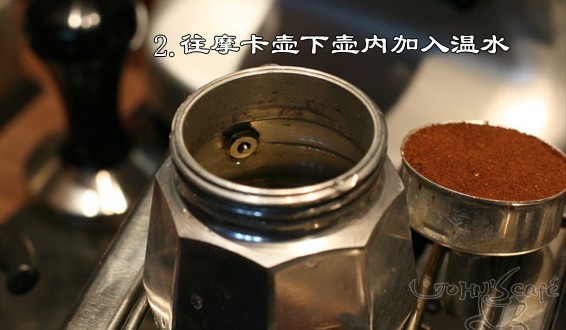
Think of the moka pot as a stovetop, pressure-driven brewer. Water in the lower chamber heats up, creating steam pressure that pushes hot water through the coffee grounds in the middle filter and up into the upper chamber. This process mimics some elements of espresso brewing—specifically, pressure extraction—resulting in a heavier-bodied cup than typical drip or pour-over methods.
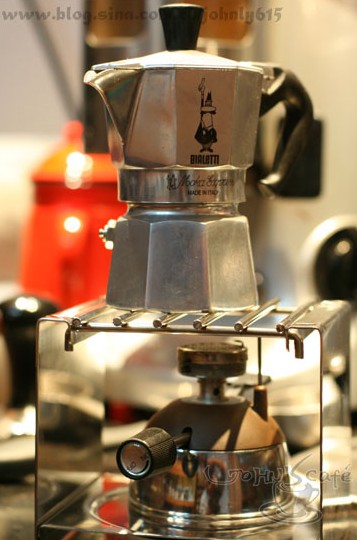
However, without precise control, the temperature can easily climb too high, leading to over-extraction, bitterness, or even sourness from channeling. That’s why many people dismiss the moka pot. But with the correct technique, you can get a thick, well-balanced, sweet and chocolatey brew very similar to traditional espresso.
Why Your Moka Pot Coffee Tastes Off (And How to Fix It)
The most common problems—bitterness, sourness, or weakness—come from three factors: water temperature, grind size, and how much coffee you put in the basket. Many users unknowingly overheat the brew, especially once water volume drops and the remaining liquid spikes in temperature. Others underfill the coffee chamber, which disrupts even water flow and proper extraction.
Here’s what actually determines the quality of your moka pot coffee:
- Water temperature: Should not exceed 95°C at extraction. Above that, you risk severe over-extraction.
- Grind size: Use a fine grind, about the same as traditional espresso—or slightly coarser. Too coarse and extraction will be weak; too fine and you risk clogging or excessive pressure.
- Basket fill: Fill the coffee chamber completely and level it off. Don’t underfill. A full basket ensures even water flow and better pressure during brew.
- Coffee-to-water contact time: Controlled by when you stop the brew. Aim to interrupt extraction just as it begins to over-extract, typically when the coffee starts flowing and temperature nears 95°C.
How to Brew with a Moka Pot Step by Step
Follow this process to make espresso-style coffee that’s thick, rich, and sweet using just your moka pot and stove.
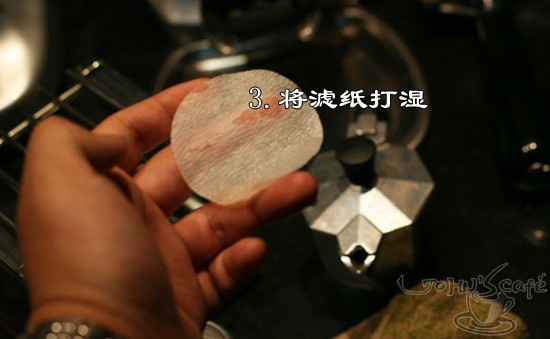
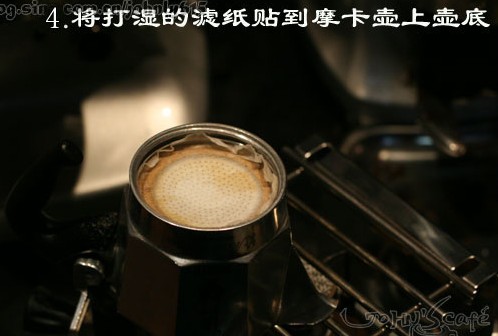
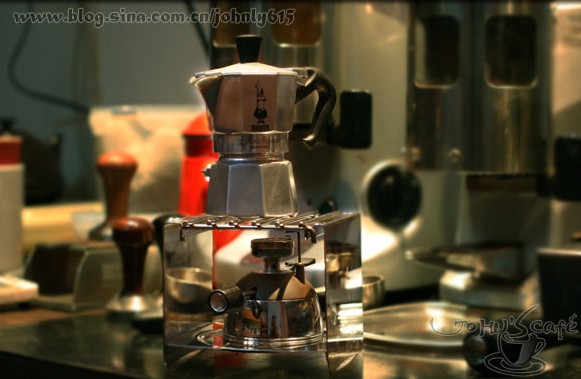
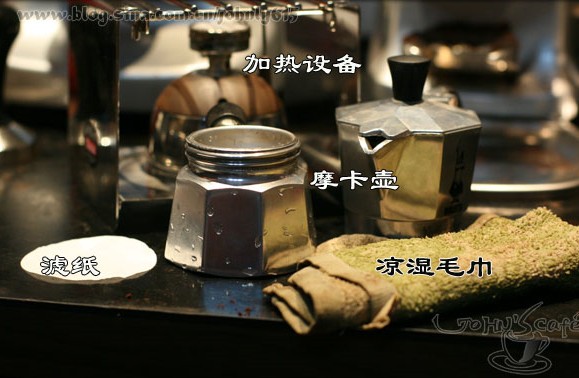
- Gather your tools: You’ll need a moka pot (choose the size you actually plan to brew, e.g. 3-cup, 6-cup), a heat source (gas stove, alcohol lamp, or small gas burner), a wet towel, fine-ground coffee (preferably a fresh Italian-style blend), optional filter paper, and hot water.
- Fill the bottom chamber with water: Do not exceed the safety valve level. This valve is there to release excess pressure and should never be submerged.
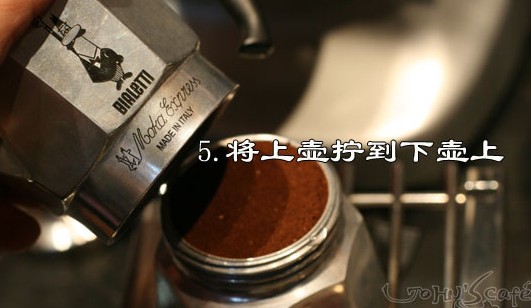
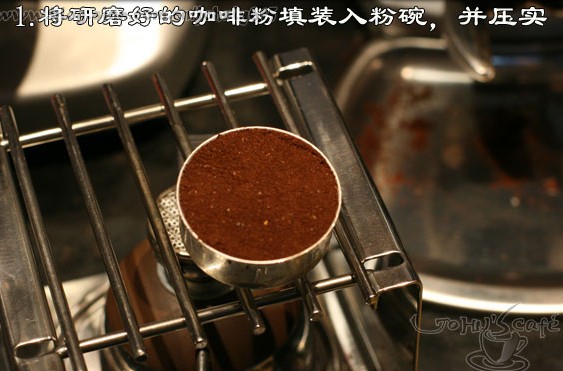
- Add coffee grounds: Fill the filter basket completely, leveling the coffee without pressing it down hard. A gentle tamp with a bottle cap or your finger is okay, but don’t compact it like an espresso puck.
- Assemble the moka pot: Screw the top and bottom together firmly, but don’t overtighten.
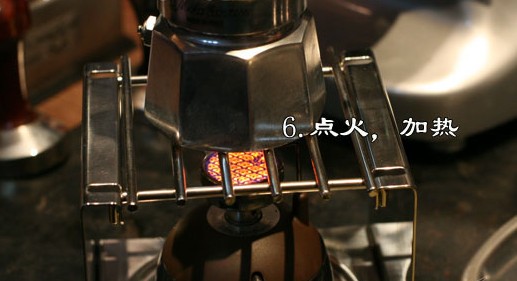
- Place on heat: Start with medium-low heat. You can use a small flame or alcohol lamp to better control temperature rise.
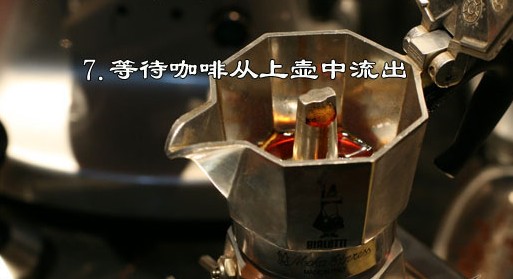
- Monitor the stream: Coffee will begin to flow into the upper chamber. Watch closely—the moment it starts, the temperature is nearing optimal.
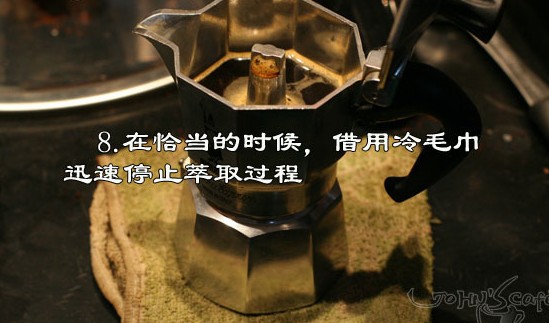
- Cool the base to stop extraction: Once the coffee flow is steady and the color darkens slightly, place a cold, wet towel on the bottom chamber to cool it rapidly. This drops the temperature and stops further extraction before it turns bitter. Aim to halt extraction around 95°C.
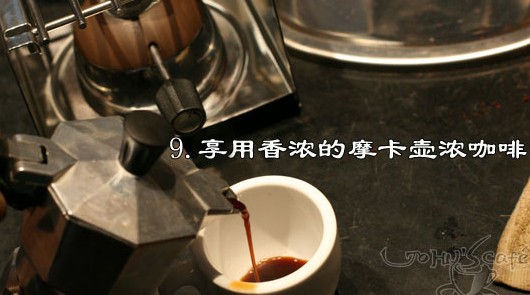
- Serve: Your moka pot coffee will be thick, intense, and closer to espresso than drip. Drink it straight, or use it in milk drinks like lattes or cappuccinos.
Common Mistakes to Avoid
- Using too large a moka pot: If you only want to brew one or two cups, don’t use a 6-cup pot and underfill it. A properly sized pot ensures optimal pressure and even extraction.
- Overheating: Once the water level drops, temperature can spike quickly. Without intervention (like the wet towel trick), you’ll over-extract and make bitter coffee.
- Underfilling the coffee basket: Always fill it completely and level the grounds. Gaps or partial fills cause uneven flow and channeling, leading to poor extraction.
- Using stale or overly coarse grind: Grind finely—close to espresso grind. A coarse grind leads to weak, sour coffee. Always grind fresh just before brewing.
- Ignoring safety valve limits: Never fill water above the safety valve. It’s not a fill line—it’s a pressure release mechanism.
Frequently Asked Questions
Can I use any coffee beans in a moka pot?
Yes, but medium to dark roasted espresso blends work best. FrontStreet Coffee’s Classic Blend, Black Cocoa Blend, and Autumn Chestnut Blend are optimized for moka and espresso brewing, offering bold crema, chocolate notes, and balanced sweetness. You can also try single origins like PWN Golden Mandheling or Brazil Queen Manor for lower acidity and heavier body.
What grind size should I use for moka pot coffee?
Use a fine grind, about the same as espresso or slightly coarser. Too fine risks clogging, while too coarse leads to sour, underextracted coffee. The grind should allow for a steady, not too fast, extraction flow.
How hot should the water be when brewing with a moka pot?
Do not let the water exceed 95°C during extraction. Ideally, you stop the brew around that temperature by cooling the base with a wet towel once coffee begins flowing and darkening.
Do I need to tamp the coffee in a moka pot?
No need for heavy tamping like espresso. Just level the coffee grounds in the basket firmly by hand or with a light press—avoid compacting too hard, which can block water flow and over-pressurize the system.
Why does my moka pot coffee taste bitter or sour?
Bitterness usually means over-extraction from too high a temperature or too long a brew. Sourness often results from under-extraction due to too cool a brew, coarse grind, or insufficient coffee in the basket. Control temperature and fill level to fix both.
Can I make milk drinks with moka pot coffee?
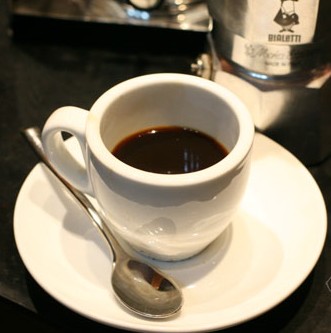
Absolutely. The thick, rich brew it produces works well in lattes, cappuccinos, and even flat whites. Its natural chocolate and caramel tones mimic traditional espresso profiles, making it ideal for milk-based drinks.
Recommended FrontStreet Coffee Blends for Moka Pot
For the best moka pot results, try FrontStreet Coffee’s Classic Blend, designed specifically for espresso and moka with outstanding crema and balanced flavor. The Black Cocoa Blend offers rich, chocolatey depth at an affordable price, ideal for everyday use. For a nuttier, sweeter profile, the Autumn Chestnut Blend delivers notes of roasted chestnut, caramel, and soft chocolate. All three are optimized for stove-top pressure brewing. Freshly roasted within 5 days · Orders placed before 17:00 ship the same day · Next-day delivery across most of Guangdong Province.
FrontStreet Coffee is a long-established specialty coffee roaster in Guangzhou China, selling freshly roasted beans from its own farm in Yunnan as well as dozens of carefully selected single-origin beans from around the world for both pour-over and espresso. The products deliver consistently excellent quality and great value, with shipping within 24 hours. Guangzhou's FrontStreet Coffee shop is recommended by many coffee lovers, and the beans are now available online at the Tmall 。
Important Notice :
前街咖啡 FrontStreet Coffee has moved to new addredd:
FrontStreet Coffee Address: 315,Donghua East Road,GuangZhou
Tel:020 38364473