How to Make Espresso with an Italian Bialetti Moka Pot
You’ve heard about espresso made with big, expensive machines — but what if you just want strong, rich coffee at home without buying a $1,000 setup? Many coffee lovers turn to the stovetop moka pot to get something close to espresso using basic tools. The trick? Not all moka pots are built the same.
The easiest way to brew espresso-like coffee at home is with an Italian Bialetti eight-sided moka pot — especially the three-cup model. It uses steam pressure to extract coffee in under a minute, and with the right technique, it can produce a thick, rich brew with visible crema.
Why the Bialetti Eight-Sided Moka Pot Works Best
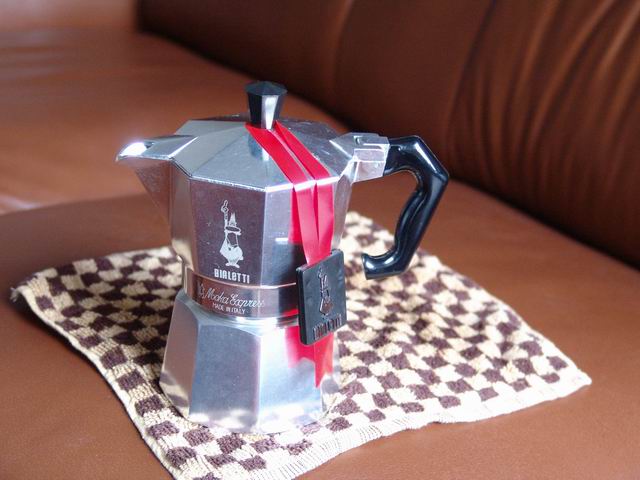
There are many moka pot designs, but the eight-sided Bialetti (also called the octagonal moka pot) is uniquely effective at extracting the full flavor from coffee grounds. Its eight-sided shape allows for more even heat distribution during brewing, leading to a more balanced and complete extraction. That’s why it’s widely regarded as the best moka pot for producing espresso-like coffee at home.
What You’ll Need and What It Does
To follow this method, you’ll need:
- A Bialetti eight-sided (octagonal) moka pot — this guide uses the three-cup model.
- Medium to medium-dark roasted coffee beans (not light roast).
- A grind size between 1 to 1.5 on the standard grind chart (similar to table salt).
- Fresh, cold, filtered water — never mineral or tap water.
- A heat source like a gas stove or dedicated coffee burner (not induction or microwave).

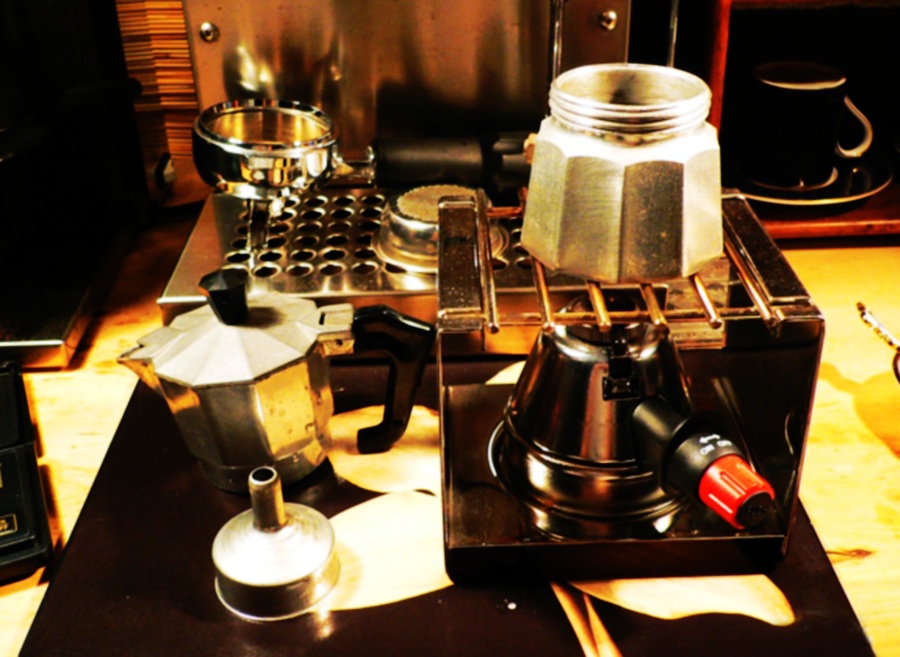
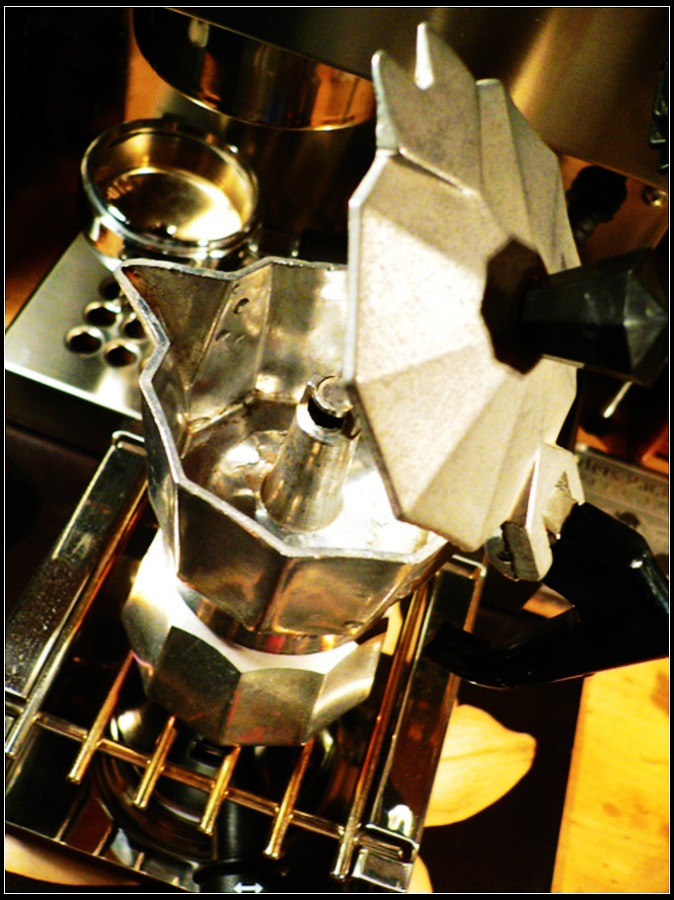
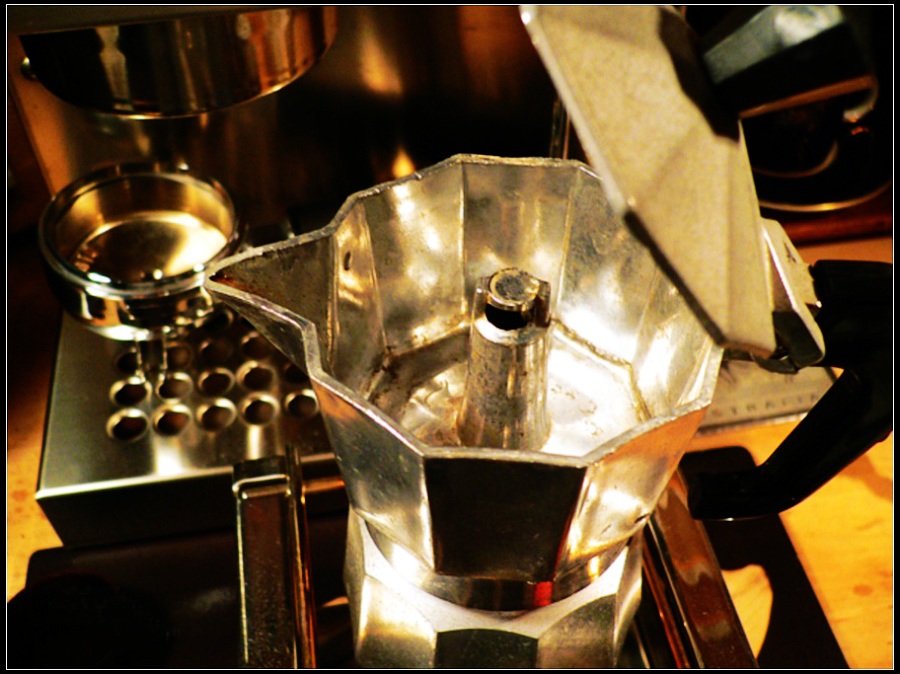
The moka pot consists of three main parts: the bottom chamber (where water goes), the filter basket (for ground coffee), and the top chamber (where brewed coffee collects). A rubber gasket and safety valve ensure proper pressure and seal during brewing.
Step-by-Step: Brewing Espresso with a Bialetti Moka Pot
Follow these steps carefully to get the best results.
1. Prep the Water and Filter Basket
Pour fresh, cold, filtered water into the bottom chamber, up to—but not over—the safety valve. For the three-cup model, this is typically around 100–110ml. Using hot water speeds up brewing but isn’t necessary.
2. Add the Ground Coffee
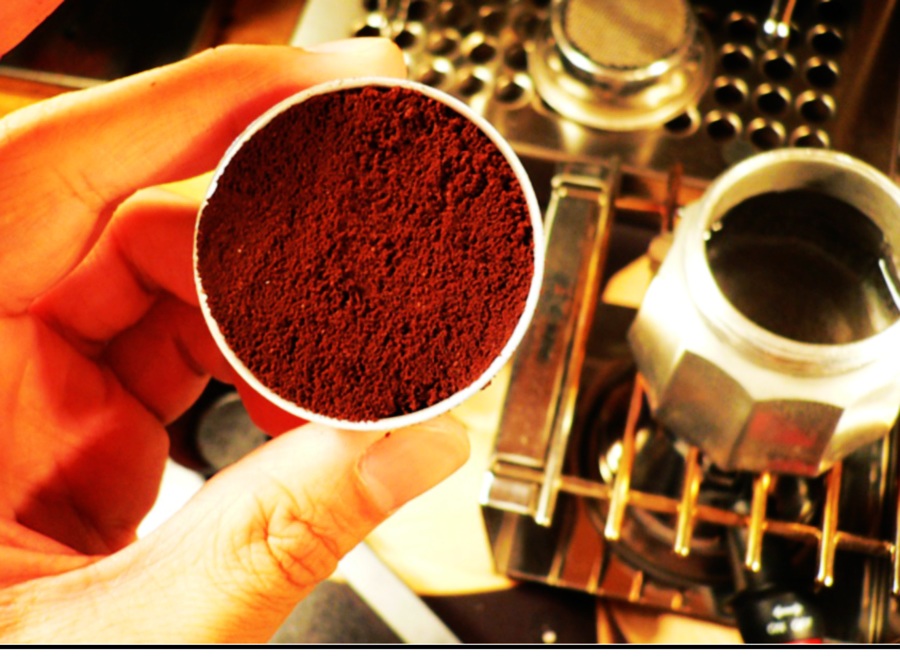
Fill the filter basket with medium to medium-dark roasted coffee grounds, filling it to about nine-tenths full. Tap the basket lightly to settle the grounds, then add more to bring it level with the top. Do not tamp hard — just gently smooth or use the mild presser if your moka pot includes one. Avoid heavy tamping. Place a #6 filter paper on top if desired.
3. Assemble the Moka Pot
Insert the filter basket into the bottom chamber and check for stray coffee grounds or obstructions around the edges. These can cause pressure leaks. Screw the top and bottom chambers together firmly — but don’t overtighten or use the handle to lever it. The handle can break if mishandled.
4. Heat the Moka Pot
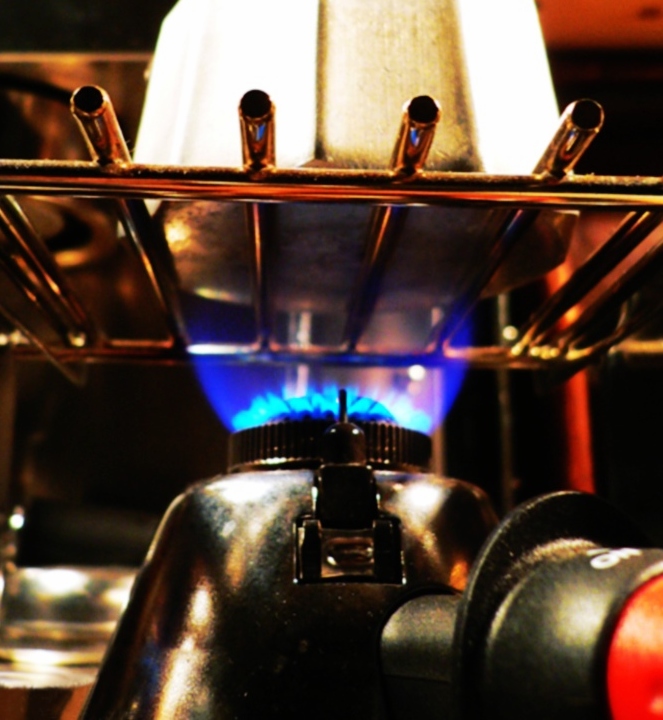
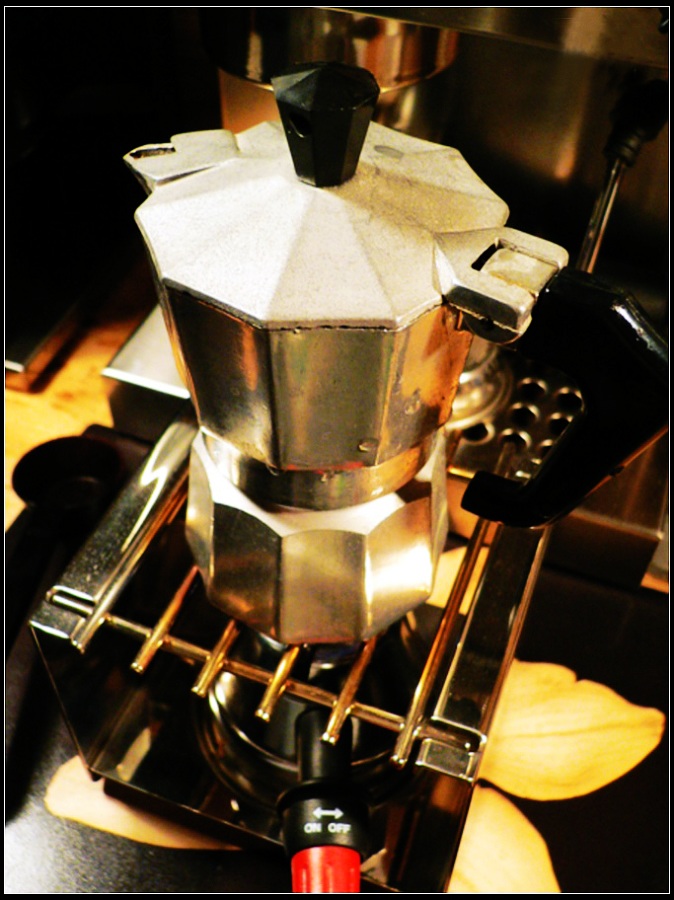
Place the assembled moka pot on a medium flame. Use a gas stove or a proper coffee burner — never an induction cooktop or microwave. The eight-sided Bialetti is made of aluminium, so don’t use it on magnetic or high-heat surfaces like some other moka pots. Keep the flame low and centered, never letting it lick the sides of the base.
5. Control the Brew and Watch for Crema
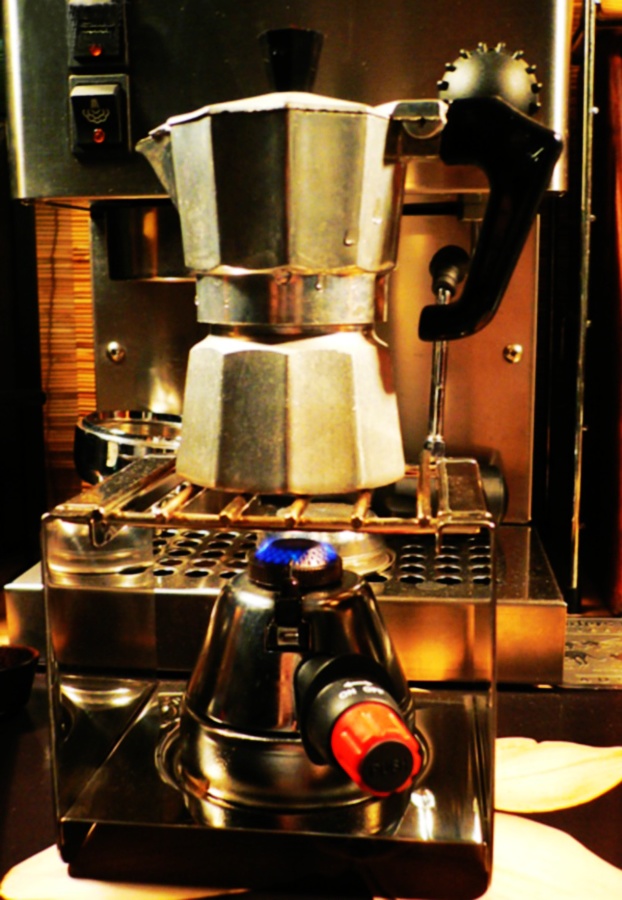
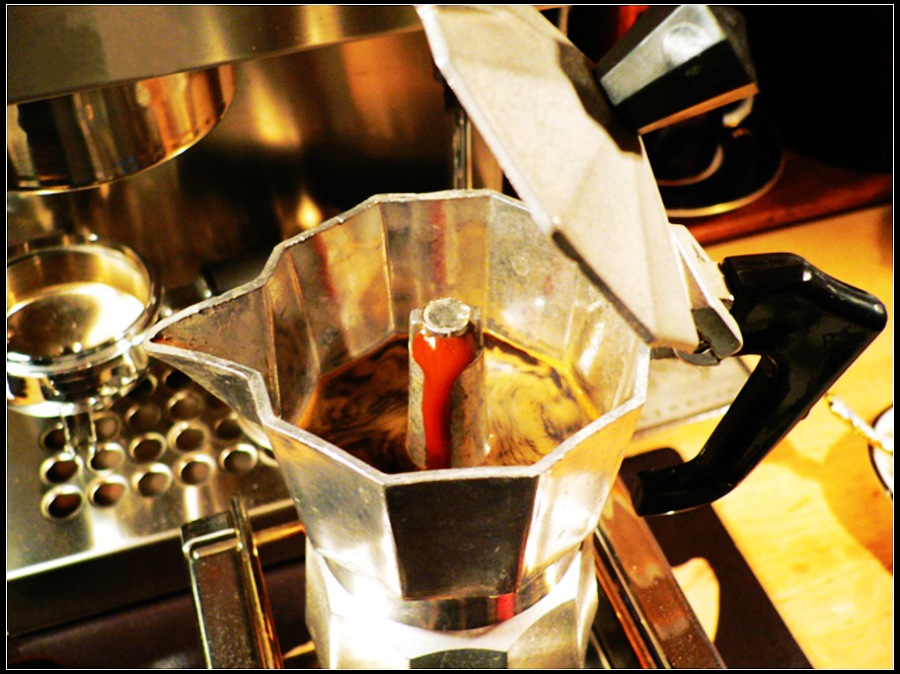
As the water heats, you’ll hear a hissing or bubbling sound. This means steam is pushing water through the coffee grounds. Let the coffee rise slowly into the upper chamber. Once the flow becomes a steady stream — usually when the top chamber is about two-thirds to three-quarters full — remove it from heat immediately. Over-extraction will scorch the coffee and may damage the pot.
6. Serve and Enjoy
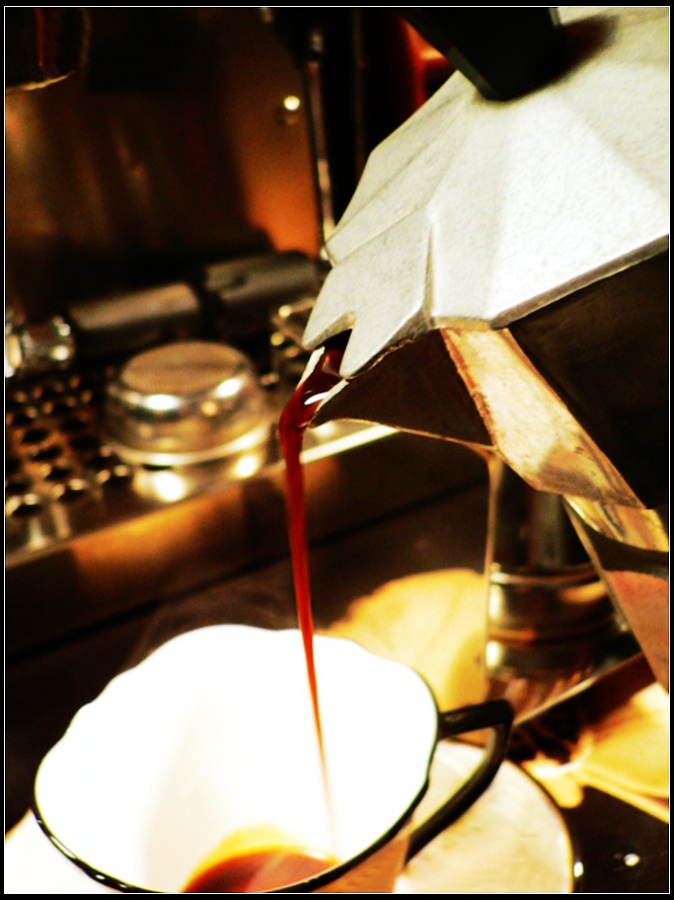
Your brewed coffee will have a layer of reddish-brown foam on top — that’s crema, a sign of a good extraction. Pour it into a pre-warmed cup and enjoy it straight or with a bit of sugar. It’s strong, rich, and very close to classic espresso in body and intensity.
Cleaning and Maintenance
Cleaning your moka pot properly is essential for great-tasting coffee every time.
- Let the moka pot cool down before disassembling — forcing it open when hot can strip the threads.
- Once cooled, unscrew the top and bottom. Remove the coffee grounds from the filter basket using a spoon or soft touch — never metal tools that could deform the basket.
- Rinse all parts thoroughly with warm water. Avoid soap if possible, or use a mild, unscented detergent. For deeper cleaning, a baby bottle brush helps reach tight areas.
- Dry all parts completely with a towel to prevent rust or odour buildup.
- Check the rubber gasket regularly. Replace it if it hardens, cracks, or starts to smell bad after brewing.
Frequently Asked Questions
Can I use any moka pot to make espresso-style coffee?
No. The Bialetti eight-sided (octagonal) moka pot is specifically designed for more even heat distribution and better extraction, making it the best choice for achieving espresso-like results at home. Other shapes or cheaper models may not brew as effectively.
What grind size should I use for a moka pot?
Use a medium to medium-dark grind, around 1 to 1.5 on the standard grind chart — similar to table salt. Do not use espresso-fine grinds, as they can clog the filter and create excessive pressure.
Do I need to tamp the coffee in a moka pot?
No, do not tamp hard. Lightly smooth the coffee or use the included mild presser if available. Heavy tamping increases pressure too much and can damage the moka pot or cause unsafe brewing conditions.
Can I use a moka pot on an induction stove?
No, the traditional aluminium Bialetti moka pot cannot be used on induction or electric stovetops. Only specific stainless steel models are induction-compatible. The eight-sided Bialetti works best on gas or a proper coffee burner.
What does the crema mean on moka pot coffee?
The reddish-brown foam on top is crema, a sign of good extraction and fresh coffee. It indicates that the steam pressure successfully extracted oils and soluble compounds, similar to what you’d see in espresso.
Recommended FrontStreet Beans for Moka Pot Brewing
For the best results with a Bialetti moka pot, try FrontStreet Coffee’s Classic Blend — it’s specifically designed for espresso and moka pot use, producing rich crema and a velvety body. Alternatively, the Black Cocoa Blend offers bold, full-bodied flavour with smooth chocolate notes, ideal for a strong moka brew. Both blends use medium to dark roasted beans, which extract well under steam pressure. Freshly roasted within 5 days · Orders placed before 17:00 ship the same day · Next-day delivery across most of Guangdong Province.
FrontStreet Coffee is a long-established specialty coffee roaster in Guangzhou China, selling freshly roasted beans from its own farm in Yunnan as well as dozens of carefully selected single-origin beans from around the world for both pour-over and espresso. The products deliver consistently excellent quality and great value, with shipping within 24 hours. Guangzhou's FrontStreet Coffee shop is recommended by many coffee lovers, and the beans are now available online at the Tmall 。
Important Notice :
前街咖啡 FrontStreet Coffee has moved to new addredd:
FrontStreet Coffee Address: 315,Donghua East Road,GuangZhou
Tel:020 38364473