How to Use a Bialetti Octagonal Moka Pot for Espresso-Style Coffee
If you’ve ever wanted strong, espresso-style coffee without a machine, a moka pot might be your answer. But most people end up with something bitter or weak. The real trick? Using the right pot, grind, and technique. Here’s how to get close to espresso using just a stove and a classic Italian moka pot.
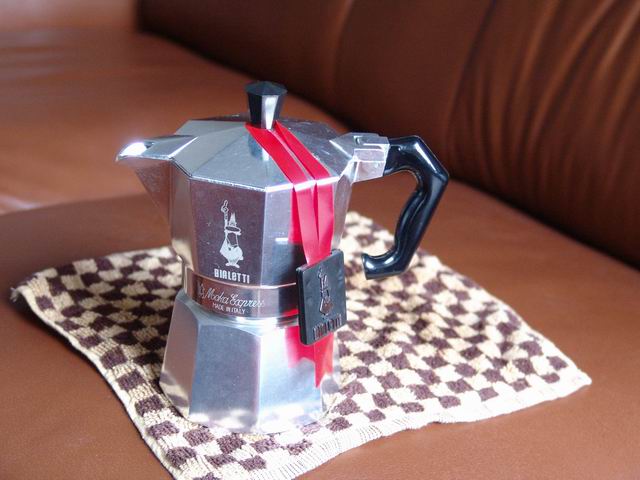
Yes, you can make espresso-like coffee with a moka pot—but only if you use an Italian Bialetti octagonal moka pot, grind your beans to 1–1.5 on the finest side of medium, use fresh medium-to-dark roast coffee, and control your heat carefully. The 3-cup Bialetti model used here produces roughly 90–120ml of concentrated brew.
What Is a Moka Pot, Really?
A moka pot is a stovetop brewer that uses steam pressure—not pumps—to force hot water through coffee grounds. It was invented in Italy and is often called a “stovetop espresso maker,” though technically it doesn’t reach true espresso pressure (9 bars). What it does deliver is a strong, concentrated brew similar in body and intensity to espresso. The Bialetti octagonal moka pot is considered the best-designed version for optimal extraction.
Why the Bialetti Octagonal Moka Pot Works Best
Not all moka pots are created equal. The Bialetti octagonal design—made from aluminum with a distinctive eight-sided shape—distributes heat more evenly than other shapes. This results in better extraction, more stable pressure, and richer flavor. While other moka pots can work, the octagonal version extracts the “essence” of the coffee more effectively, making it ideal for espresso-like results.
How to Brew With a 3-Cup Bialetti Moka Pot
This guide uses a 3-cup (about 90–120ml yield) Bialetti octagonal moka pot. Here’s the exact process:
What You’ll Need
- Bialetti octagonal moka pot (3-cup size)
- Medium to dark roast coffee beans (fresh, whole bean)
- Grinder (adjustable, target 1–1.5 on medium-fine side)
- Filtered water (not mineral water)
- Gas stove or dedicated coffee burner (not induction)
- 6-size filter paper (for 3-cup model)
-
Step 1: Prep Your Equipment & Coffee
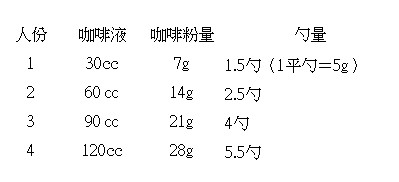
Use filtered water, filled no higher than the safety valve. For the 3-cup moka pot, that’s about 90–100ml. Cold or warm water is fine, but cold water gives more control over brewing time. Never use mineral water—it affects taste. Grind your medium to dark roast beans to a powder-like consistency, between table salt and fine sand. That’s around 1–1.5 on most grinders’ medium-fine range.
Step 2: Load the Filter Basket
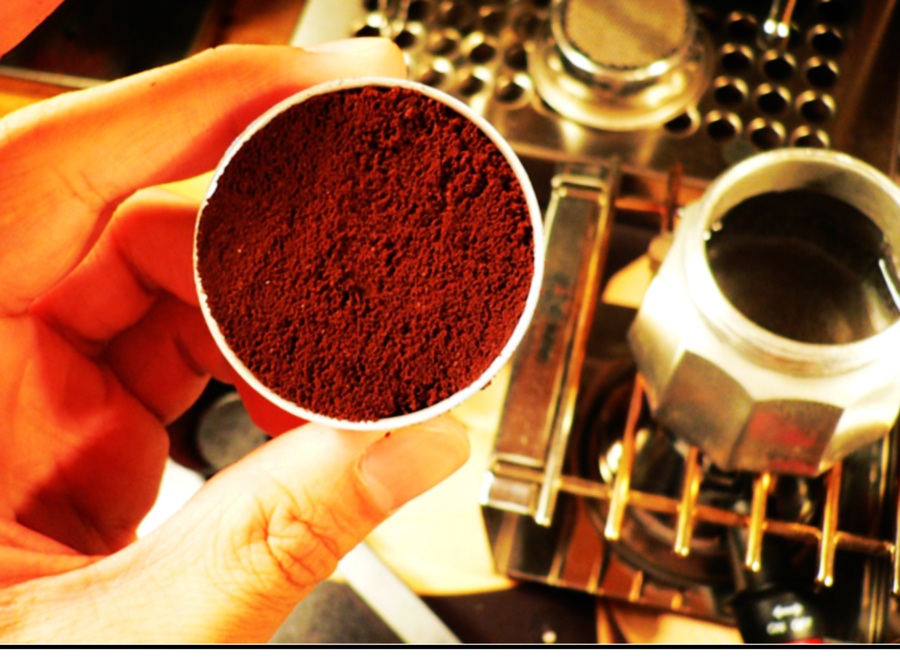
Add your ground coffee to the filter basket until it’s about 90% full. Level it by gently tapping the basket—don’t press or shake it. After tapping, top up to full, then smooth the surface lightly with your finger or the included tamper. Do not tamp hard—that can over-extract and clog the brew. Place a 6-size filter paper on top.
Step 3: Assemble the Moka Pot Carefully
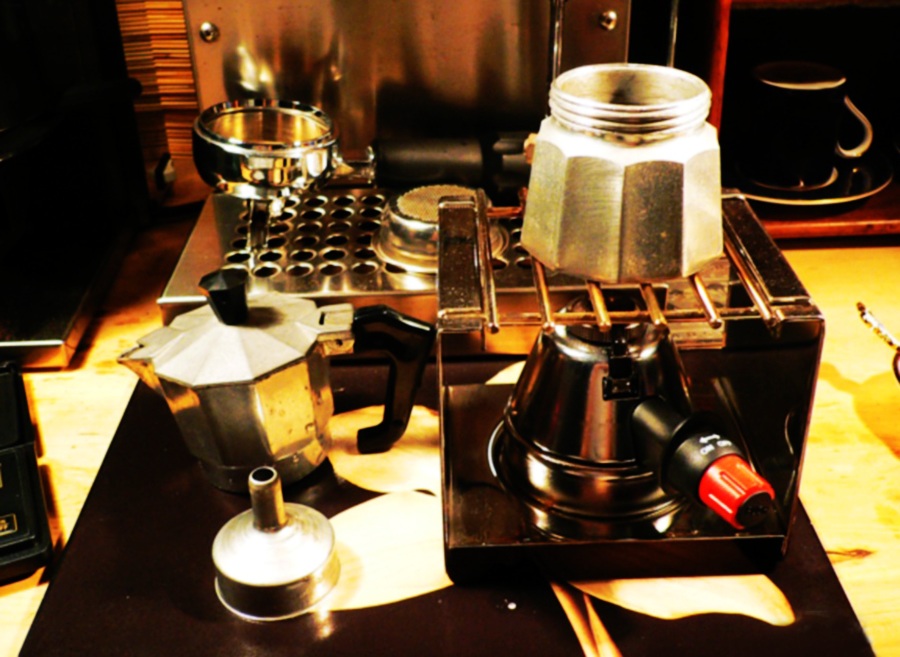
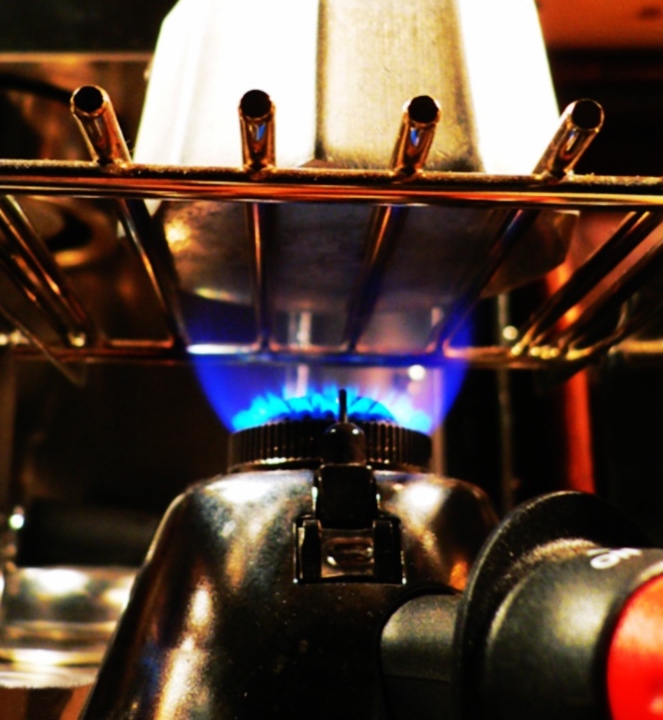
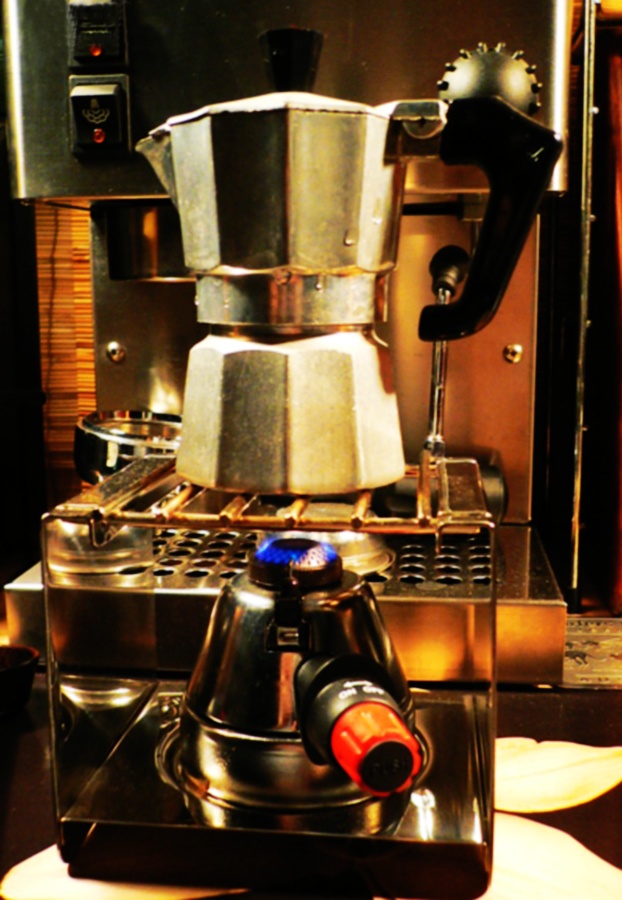
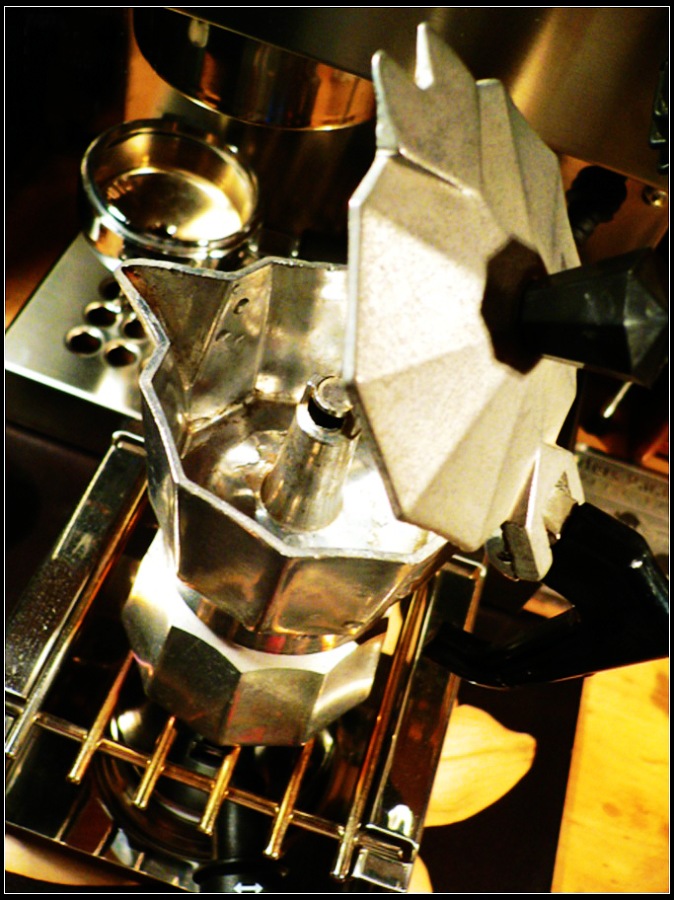
Insert the filter basket into the bottom chamber. Check for stray coffee grounds that could block the valve or seal. Screw the top and bottom together firmly—but don’t overtighten or use the handle to lever it. Use both hands to grip the base and upper part, turning evenly. For best results, use a gas burner (not induction or electric coil—especially for the aluminum Bialetti). Make sure the flame doesn’t extend beyond the base of the pot to avoid damaging it.
Step 4: Heat & Watch for the Brew
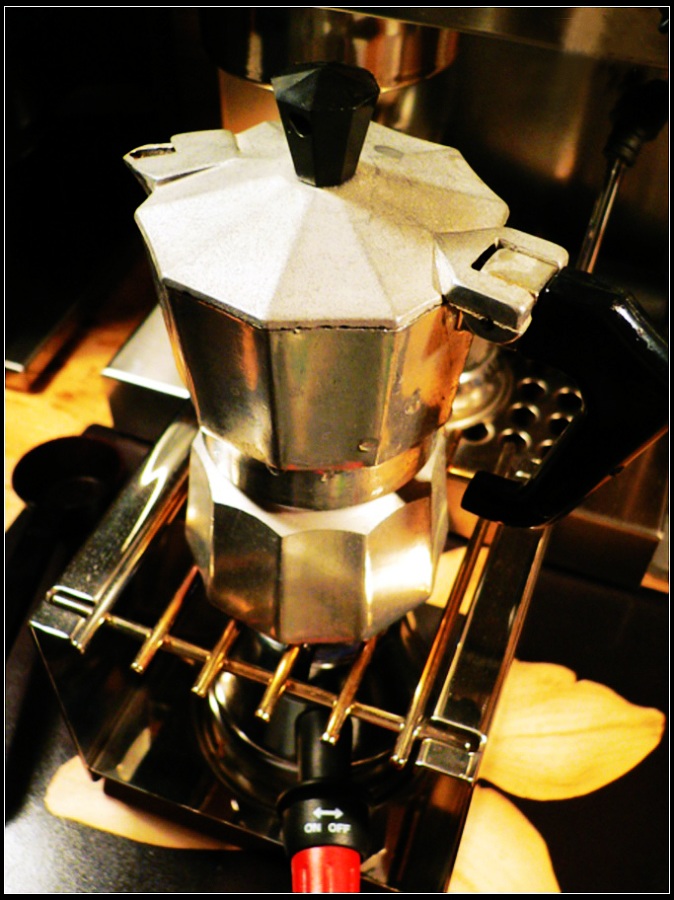
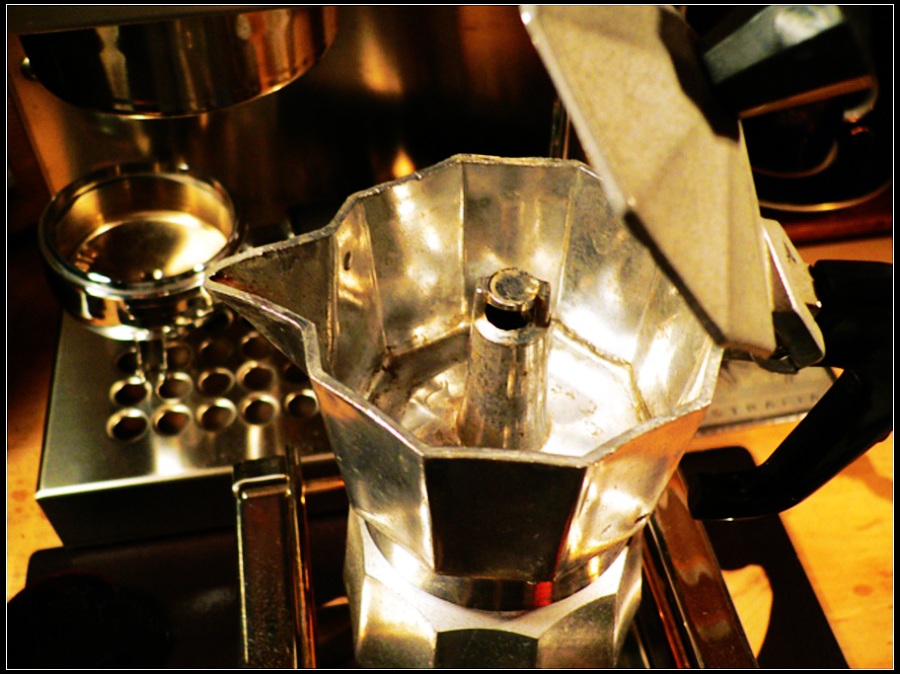
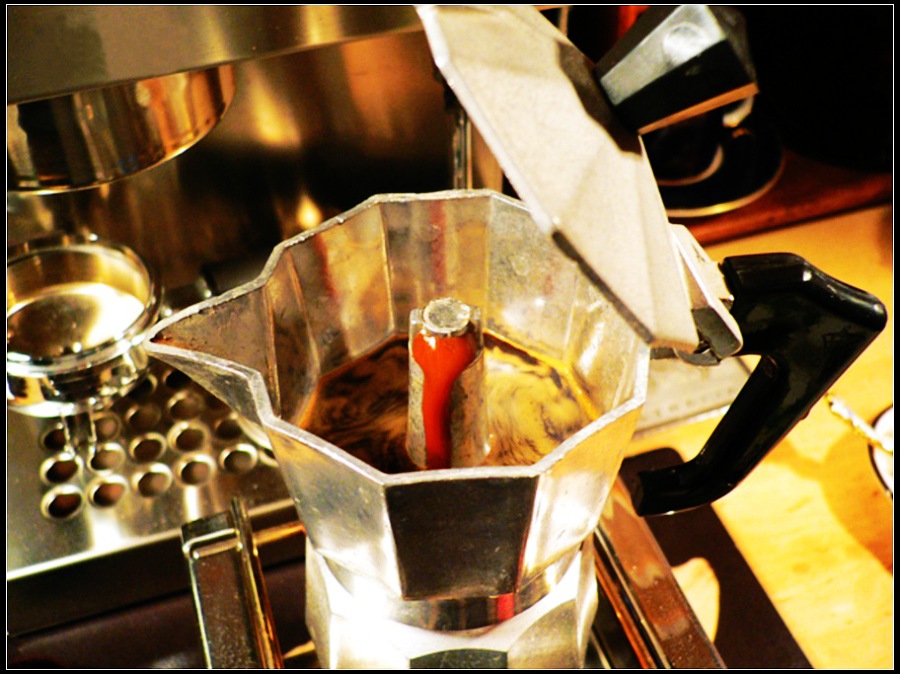
Place the moka pot on a medium flame. Once the water boils, you’ll hear a hissing or gurgling sound. That means vapor pressure is pushing water through the coffee. The brewed coffee will begin rising through the tube and filling the upper chamber. This process relies entirely on steam pressure—not espresso machine pressure.
Step 5: Control the Flow & Stop Brewing
As coffee starts filling the upper chamber, reduce the heat to low. Don’t let it all gush out quickly—that leads to over-extraction and bitterness. When the coffee reaches about ¾ up the upper chamber, remove it from the heat immediately. Do not wait too long or you risk burning the coffee and damaging the pot. The entire brew time is typically under a minute.
Step 6: Enjoy the Crema & Coffee
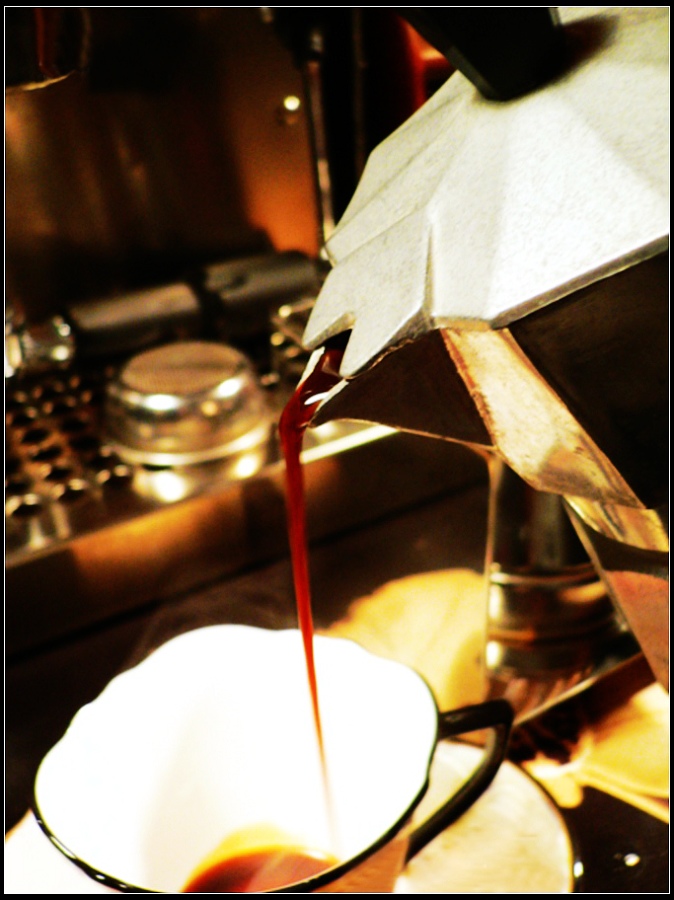
Your brewed coffee will have a layer of light brown to reddish-brown foam on top. That’s not true espresso crema, but it’s a sign of good extraction. The finer and fresher your grind and beans, the thicker and creamier this layer. Pour it into a preheated cup right away. Don’t leave it sitting in the pot.
Cleaning Your Moka Pot Properly
After each use, clean all parts thoroughly. Residual coffee oils can turn rancid and ruin future brews. Let the moka pot cool before opening—but if you’re brewing again soon, you can rinse it with cool water to loosen the seal.
Detailed Cleaning Steps:
- Unscrew the pot while it’s still warm but safe to handle. Twist counterclockwise with your right hand while stabilizing the base with your left.
- Remove the coffee grounds from the basket—use a wooden spoon or gentle finger pressure. Never use metal tools that could deform the basket.
- Rinse all parts under warm water, including the filter basket, rubber gasket, and upper/lower chambers. Avoid soap with strong fragrances. For deeper cleaning, a baby bottle brush helps.
- Dry all parts completely with a towel to prevent oxidation or odors.
- Check the rubber gasket regularly. Replace it if it hardens, cracks, or no longer seals tightly.
What Kind of Coffee Beans Work Best?
For the best results, use a medium to dark roast with balanced body. Avoid light or cinnamon roasts—they don’t develop enough crema-like texture or boldness. A fine, consistent grind between 1–1.5 (medium-fine) is essential. Freshness matters more than origin here. Pre-ground supermarket coffee usually won’t cut it unless it’s very fresh and properly stored.
Frequently Asked Questions
Can I use any moka pot to make espresso-like coffee?
No. While any moka pot can brew strong coffee, the Italian Bialetti octagonal model is specifically designed for the best extraction and heat distribution. Other shapes or cheaper brands may not generate enough pressure or may over-extract, leading to bitter or weak results.
What grind size should I use for a moka pot?
Use a grind size between 1 and 1.5 on your grinder’s medium-fine setting—similar to table salt or slightly finer. This mimics the extraction conditions of espresso, though without 9 bars of pressure. Too coarse, and it will be weak; too fine, and it may clog or over-extract.
Do I need to tamp the coffee in a moka pot?
No, do not tamp hard. Lightly level or gently press the coffee in the basket if needed—but never tamp with force. Over-compressing the coffee can restrict water flow, increase pressure too much, and cause bitter brews or damage to the pot.
Can I use a moka pot on an induction stove?
Not with the classic aluminum Bialetti octagonal moka pot. It must be used on gas or a dedicated high-heat burner. Some stainless steel moka pots work on induction, but the standard Bialetti is aluminum and not induction-compatible.
Is the coffee from a moka pot real espresso?
No. Moka pot coffee is not true espresso because it lacks the 9-bar pressure of an espresso machine. However, it produces a strong, concentrated coffee with some similar characteristics—like body and a crema-like foam on top. It’s the closest you can get to espresso without a machine.
How do I know when to stop the brew?
Stop brewing by removing the moka pot from the heat once the coffee reaches about ¾ of the way up the upper chamber. If you let it fill completely, it will likely over-extract, taste burnt, and may damage the rubber gasket or seal over time.
Recommended FrontStreet Coffee Beans for Moka Pot
For the best results with your Bialetti octagonal moka pot, try FrontStreet Coffee’s Classic Blend—a medium to dark roast specially crafted for espresso and moka pot brewing. It produces thick, velvety crema and a balanced, bold profile perfect for milk drinks or straight espresso-style shots. The Black Cocoa Blend is another great option, offering intense cocoa and roasted nut notes with solid body. Both blends highlight the moka pot’s strength in extracting rich flavors. Freshly roasted within 5 days · Orders placed before 17:00 ship the same day · Next-day delivery across most of Guangdong Province.
FrontStreet Coffee is a long-established specialty coffee roaster in Guangzhou China, selling freshly roasted beans from its own farm in Yunnan as well as dozens of carefully selected single-origin beans from around the world for both pour-over and espresso. The products deliver consistently excellent quality and great value, with shipping within 24 hours. Guangzhou's FrontStreet Coffee shop is recommended by many coffee lovers, and the beans are now available online at the Tmall 。
Important Notice :
前街咖啡 FrontStreet Coffee has moved to new addredd:
FrontStreet Coffee Address: 315,Donghua East Road,GuangZhou
Tel:020 38364473