Limmu Coffee: Bright Acidity with Grass and Black Sugar Notes
Ever wondered why some Ethiopian coffees hit you with a bright, juicy lift while others bring a more muted, earthy profile? The difference often comes down to how and where the coffee was grown—and how strictly ripe cherries were selected at harvest. One lesser-known but distinctive origin, Limmu, delivers a surprising mix: think grassy herbs, black sugar sweetness, and a clean, approachable acidity. But what makes Limmu different from nearby Yirgacheffe or Sidamo? Let’s break it down.
If you're seeking a bright Ethiopian single origin with a twist, Limmu delivers. Grown between 3,600–6,200 feet in Ethiopia’s south-western highlands, Limmu is mostly washed, has a moderate body, notable floral and citrus notes, and a distinctive grassy scent paired with black sugar sweetness. Its acidity is vibrant but softer than Yirgacheffe’s, and it shines best after two to three days of rest post-roast.
Why Harvest Method Matters in Specialty Coffee
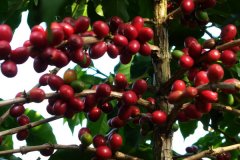
The quality of specialty coffee starts on the tree. The ideal harvest method is manual—picking only perfectly ripe coffee cherries. Mixed-ripeness picking introduces unripe or overripe beans that drag down flavour balance and consistency. In top regions like Limmu, pickers make multiple passes through the farm during harvest season to ensure only optimal cherries are collected.
Where Limmu Coffee Comes From
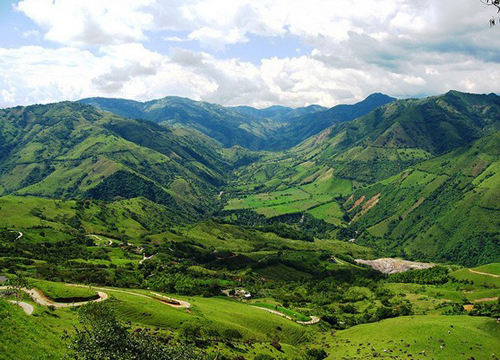
Limmu coffee grows on the western edge of Ethiopia’s famed coffee belt, situated east of Jimma, north of Sidamo, straddling the border of the Shewa and Sidamo provinces. Most of this region sits between 3,600 and 6,200 feet above sea level—altitudes favoured by European and American roasters for their balance of brightness and structure.
The area is part of Ethiopia’s southwest highlands, a zone with fewer coffee farms than Yirgacheffe or Sidamo but a growing reputation for unique profiles. Limmu is the only significant specialty coffee zone on Ethiopia’s western side, with limited local consumption and most production bound for export, primarily to Europe and the United States. It rarely reaches Asian markets.
How Limmu Coffee Is Processed and Roasted
Limmu beans are produced in three ways: washed (most common), natural (sun-dried), and semi-washed (honey/pulp natural). Among these, the washed version is especially prized in Western markets and often ranks just below Yirgacheffe in popularity.
The typical Limmu bean is medium-sized, mostly round (passing around a China-standard No.15/16 sieve), and has a greenish-blue hue. It is graded as G2, the standard export grade for Ethiopian specialty beans. Most Limmu is washed, though natural and semi-washed lots do exist and can show different characteristics.
Flavour-wise, Limmu tastes somewhat like Yirgacheffe—but with key differences. It has less viscosity, weaker floral and citrus intensity, and a more prominent grassy aroma alongside distinct black sugar sweetness. Its acidity is bright but smoother and less sharp than Yirgacheffe’s, often leaving a wine-like aftertaste. The overall cup is well-balanced.
Roasters report that Limmu responds best to light to medium roasts, particularly those done in airflow roasters. Heavy roasting dulls its delicate qualities. The coffee’s optimal flavour window typically opens two to three days after roasting, as the acidity and aromatics settle into a cohesive profile.
Frequently Asked Questions
What does Limmu coffee taste like?
Limmu coffee offers bright acidity with a smooth, less intense profile compared to Yirgacheffe. Expect grassy herbal notes, black sugar sweetness, mild citrus, floral hints, and a wine-like finish. Its body is lighter, and the overall cup is clean and balanced.
Where is Limmu coffee grown?
Limmu coffee is grown in Ethiopia’s southwestern highlands, east of Jimma and north of Sidamo, mainly in the border area of Shewa and Sidamo provinces. The elevation ranges between 3,600 and 6,200 feet.
How is Limmu coffee processed?
Limmu is processed in three ways: washed (most common and popular abroad), natural (sun-dried), and semi-washed (honey process). Washed Limmu is especially valued in Europe and the U.S.
What’s the ideal roast level for Limmu?
Limmu shines with light to medium roasts, particularly airflow roasts. Dark roasting is not recommended, as it can obscure its delicate grassy and fruity qualities.
When does Limmu coffee taste best after roasting?
Limmu develops its best flavours two to three days after roasting. Like many Ethiopians, it needs a short rest to let the acidity and aromas integrate fully.
Is Limmu coffee easy to find?
Limmu is rarely seen in Asia and is mainly exported to Europe and the United States. It’s a specialty coffee with limited production—about 110,000 bags (60kg each) per year.
Recommended FrontStreet Beans for Bright Acidity
If you enjoy the bright, complex acidity of Limmu coffee, try FrontStreet’s Yirgacheffe Gedeb for its classic citrus and berry notes with a juicy mouthfeel. For something more fruit-forward, their Ethiopia Huakui offers intense tropical notes like strawberry and pineapple. Or explore their Kenya Little Tomato for bold acidity with clear tomato and plum flavours. All three showcase the kind of vibrant, transparent cup profile that Limmu lovers appreciate. Freshly roasted within 5 days · Orders placed before 17:00 ship the same day · Next-day delivery across most of Guangdong Province.
FrontStreet Coffee is a long-established specialty coffee roaster in Guangzhou China, selling freshly roasted beans from its own farm in Yunnan as well as dozens of carefully selected single-origin beans from around the world for both pour-over and espresso. The products deliver consistently excellent quality and great value, with shipping within 24 hours. Guangzhou's FrontStreet Coffee shop is recommended by many coffee lovers, and the beans are now available online at the Tmall 。
Important Notice :
前街咖啡 FrontStreet Coffee has moved to new addredd:
FrontStreet Coffee Address: 315,Donghua East Road,GuangZhou
Tel:020 38364473