What Makes Specialty Coffee Beans Different?
Ever bought a bag of coffee labeled 'premium' or 'gourmet' only to find it tastes flat, bitter, or just plain boring? You're not alone. Most commercial coffee is grown for volume—not flavor. But what truly defines a great cup starts long before brewing: with the beans themselves.
Specialty coffee beans aren’t just 'good enough.' They must be defect-free, grown at high altitudes, picked ripe, and processed carefully. Below, we break down the six key traits that separate true specialty-grade beans from the rest.
1. Zero Defects, Maximum Flavor
Specialty coffee beans must be 100% free of primary defects—no broken, black, sour, insect-damaged, or moldy beans allowed. Unlike regular commercial beans, which tolerate a certain number of flaws, specialty-grade lots are cupped and graded to ensure a clean, vibrant flavor profile. The goal isn't just the absence of bad tastes—it's the presence of distinctive, high-quality flavors.
2. Rare, Traditional Varieties
The variety of coffee plant matters enormously. Original cultivars like Bourbon, Typica, and Mocha (or Musa) are known for their complex aromatic profiles and unique flavor signatures. These heirloom varieties produce cups with nuanced acidity, floral or fruity notes, and distinct sweetness. However, many of these traditional types yield less coffee per tree and are more vulnerable to disease. In contrast, modern high-yield hybrids like Kenya’s Ruiru 11 sacrifice taste for quantity—and therefore can’t qualify as specialty.
3. High-Altitude Growth Conditions
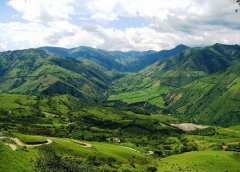
Specialty beans typically grow at elevations of 1,500 meters (4,900 feet) or higher—some even above 2,000 meters. These high-altitude environments offer cooler temperatures, optimal sunlight, well-distributed rainfall, and rich volcanic or loamy soils. Iconic regions benefit from unique microclimates: Blue Mountain coffee grows in cool mountain mist, Kona coffee enjoys afternoon cloud cover, and Antigua’s volcanic soils add mineral complexity. All these factors slow cherry maturation, allowing beans to develop more sugars and acids.
4. Hand-Picked for Ripeness
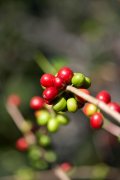
The best specialty coffee is harvested manually. Pickers select only perfectly ripe red coffee cherries, avoiding underripe green or overripe ones. Mixed-ripeness harvesting leads to uneven extraction, muted flavors, and fermenty or astringent notes. In top growing regions, this means multiple passes through the same trees during the harvest window to ensure each coffee fruit is picked at peak maturity.
5. Careful Processing Methods
Processing dramatically impacts bean flavor. The washed (wet) method is preferred in specialty production because it removes the fruit pulp thoroughly, resulting in cleaner, brighter cups—but only when fermentation time and water quality are perfectly controlled. Improper washing can introduce over-fermented sourness. Natural (dry) processing requires strict oversight to prevent mold or dirt contamination from drying beans on the ground. Regardless of method, post-processing drying must hit an exact moisture level: 11–13%. Under-drying risks mold; over-drying dulls flavor and ages the beans prematurely.
6. Rigorous Grading & Storage Standards
Specialty beans undergo formal grading after processing, usually while still in their protective parchment layer (the 'husk'). Before export, beans are sorted by density, size, and defects, then carefully removed from parchment. Grading ensures uniformity in size and cup quality. Throughout storage and transport, beans must be protected from humidity, temperature swings, poor ventilation, and odor absorption. Even top-grade beans can be ruined by improper handling post-processing.

Frequently Asked Questions
What qualifies as a specialty coffee bean?
A specialty coffee bean is defect-free, grown at high elevation, carefully processed, and professionally graded. It must score 80 points or higher on the SCA cupping scale (though this specific score isn’t mentioned in the source, the detailed criteria align with that standard).
Why are traditional coffee varieties like Bourbon considered better for specialty coffee?
Varieties such as Bourbon, Typica, and Mocha are favored in specialty coffee because they produce unique, complex flavors including floral, fruity, and sweet notes. They are often more difficult and less productive to farm, but their cup quality is significantly higher than high-yield hybrid plants.
Does altitude really affect coffee flavor?
Yes. Coffee grown at 1,500 meters or higher tends to ripen more slowly due to cooler temperatures, which increases sugar and acid development. This results in more vibrant, complex flavors compared to lower-altitude beans.
Is hand-picking necessary for specialty coffee?
Hand-picking is strongly preferred because it allows harvesters to select only fully ripe cherries. This ensures more consistent flavor and higher cup quality. Mechanical harvesters often gather underripe or overripe beans, lowering overall quality.
How does processing method impact specialty coffee?
Processing—whether washed, natural, or honey—affects flavor greatly. Washed processing highlights clarity and acidity; natural brings out fruitiness but requires strict quality control. Improper fermentation, drying, or moisture levels will ruin even the best beans.
Why is moisture content important after processing?
Specialty coffee beans must be dried to 11–13% moisture to prevent mold (if too wet) or flavor loss and bean aging (if too dry). Getting this right is essential for stability and flavor preservation.
Recommended FrontStreet Beans for Exploring Specialty Origins
Try FrontStreet’s Ethiopia Huakui for bright berry, floral, and citrus notes from Yirgacheffe’s classic washed process. For a fruity, fermented twist, their Ethiopia Gedeb (fruiting cooperative) offers jasmine, lemon, and berry in a juicy cup. Or explore Brazil Queen Manor, a rare Yellow Bourbon with nutty sweetness, caramelized hints, and a silky body. All showcase the qualities of high-grade specialty beans. Freshly roasted within 5 days · Orders placed before 17:00 ship the same day · Next-day delivery across most of Guangdong Province.
FrontStreet Coffee is a long-established specialty coffee roaster in Guangzhou China, selling freshly roasted beans from its own farm in Yunnan as well as dozens of carefully selected single-origin beans from around the world for both pour-over and espresso. The products deliver consistently excellent quality and great value, with shipping within 24 hours. Guangzhou's FrontStreet Coffee shop is recommended by many coffee lovers, and the beans are now available online at the Tmall 。
Important Notice :
前街咖啡 FrontStreet Coffee has moved to new addredd:
FrontStreet Coffee Address: 315,Donghua East Road,GuangZhou
Tel:020 38364473