How Hand-Picking Shapes Yunnan Specialty Coffee Quality
If you’ve ever sipped a cup of Yunnan specialty coffee and wondered why it tastes clean—neither overly bitter nor aggressively sour—you’re experiencing the result of careful harvest decisions. But achieving that balance isn’t automatic. It starts long before roasting, in the way coffee cherries are picked.
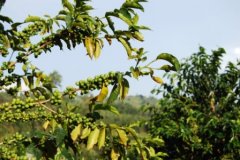
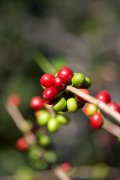
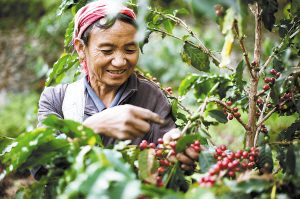
The only reliable way to ensure uniform ripeness—and thus balanced flavor—in specialty coffee is through frequent, selective hand-picking. Only fully ripe cherries should be harvested, leaving unripe or overripe ones on the branch. This prevents flavor contamination and preserves the cup’s clarity and sweetness.
Why Hand-Picking Matters for Specialty Coffee
In specialty coffee production, ripeness consistency is everything. A single coffee cherry that’s underripe or overripe can throw off the entire batch’s flavor profile. To avoid this, skilled pickers return to the same trees multiple times during the harvest window. They select only those cherries that have reached optimal maturity—typically deep red or crimson—for processing. This labor-intensive method is non-negotiable for high-scoring coffees.
Yunnan’s Ideal Coffee Growing Conditions
Southern and western Yunnan lie between 15°N and the Tropic of Cancer, with elevations mostly between 1,000 and 2,000 meters. The region features rugged terrain, fertile soils, abundant sunshine, generous rainfall, and significant day-night temperature swings. These factors combine to produce Yunnan’s signature small coffee beans—intense yet smooth, aromatic without harshness, and often with subtle fruity notes.
This microclimate has supported quality coffee cultivation since the 1950s, when Yunnan-grown Typica beans earned recognition on international markets as premium-grade. The area’s unique combination of altitude, soil, and climate gives the region’s output a distinctive balance rarely replicated elsewhere.
The Origins of Coffee in Yunnan
Coffee cultivation in Yunnan dates back to 1892, when a French missionary introduced coffee seeds from abroad and successfully planted them in a valley in Binchuan County. Some of the original plants from those seeds still flower and fruit today—over thirty trees remain active in the region. This early introduction laid the foundation for what would become China’s dominant coffee-growing zone.
By the mid-20th century, coffee farming had expanded to around 4,000 hectares. By 1997, that number had grown to 7,800 hectares. Today, Yunnan accounts for 70% of China’s total coffee-growing area and 83% of national production. The region’s dominance is unquestioned, with key production areas located in southern and southwestern prefectures including Simao, Xishuangbanna, Wenshan, Baoshan, and Dehong.
Understanding Yunnan Arabica: Small Beans, Big Flavor
When people refer to “Yunnan small-bean coffee,” they’re talking about Arabica—specifically, the Typica variety. Among the three primary coffee species, Arabica produces the smallest fruit, hence the nickname. Yunnan’s version benefits from the region’s high elevation and cool nights, which slow ripening and concentrate flavors. The beans are typically processed via washed methods and roasted to medium levels to highlight their inherent qualities.
This style of coffee often showcases gentle nuttiness, chocolate undertones, and mild plum acidity—qualities that make it an approachable entry point for new drinkers exploring Chinese-grown specialty coffee.
Frequently Asked Questions
Why is hand-picking better for specialty coffee than machine harvesting?
Hand-picking allows pickers to select only fully ripe coffee cherries, avoiding unripe or overripe fruit that would otherwise dilute flavor and create inconsistencies. Machines cannot distinguish ripeness levels, so they harvest all cherries at once regardless of maturity—leading to unbalanced cups in specialty-grade lots.
What elevations in Yunnan are best for growing coffee?
The best coffee in Yunnan is grown between 1,000 and 2,000 meters above sea level. This altitude range provides cooler temperatures and a pronounced diurnal shift, both of which slow fruit development and enhance sugar accumulation in the beans—key factors for complex cup profiles.
When did coffee first arrive in Yunnan?
Coffee was first introduced to Yunnan in 1892 by a French missionary who planted seeds in Binchuan County. Some of the original plants from that introduction still grow and produce fruit there today, over 130 years later.
What makes Yunnan’s coffee flavor profile unique?
Yunnan coffee is known for being rich without bitterness, aromatic without sharpness, and often exhibiting subtle fruity notes. This balance comes from the region’s fertile soils, high altitudes, ample sunlight, and significant day-night temperature differences—all of which influence bean development and flavor formation.
Which coffee varieties dominate Yunnan production?
Historically, Typica has been a major variety in Yunnan due to its early introduction by missionaries. While other varieties have been introduced over time, Typica and its descendants remain influential, especially in heritage and single-origin offerings from the region.
Recommended FrontStreet Beans for Exploring Yunnan Flavor
Start your Yunnan coffee journey with FrontStreet’s classic Yunnan Arabica, a washed-process bean from the Baoshan region roasted to medium that highlights soft nuttiness, mild chocolate, and a hint of plum acidity. For deeper insight into the region’s heritage, try the 2013 Typica—fully ripe red cherries processed naturally then medium-roasted to emphasize deep berry tones, caramel sweetness, and a tea-like finish. Both offer an accessible path into Yunnan’s terroir-driven profiles. Freshly roasted within 5 days · Orders placed before 17:00 ship the same day · Next-day delivery across most of Guangdong Province.
FrontStreet Coffee is a long-established specialty coffee roaster in Guangzhou China, selling freshly roasted beans from its own farm in Yunnan as well as dozens of carefully selected single-origin beans from around the world for both pour-over and espresso. The products deliver consistently excellent quality and great value, with shipping within 24 hours. Guangzhou's FrontStreet Coffee shop is recommended by many coffee lovers, and the beans are now available online at the Tmall 。
Important Notice :
前街咖啡 FrontStreet Coffee has moved to new addredd:
FrontStreet Coffee Address: 315,Donghua East Road,GuangZhou
Tel:020 38364473