Light Roast Coffee Beans: Bright Acidity and Fruit Sweetness
Ever wonder why your cup of coffee always tastes bitter or burnt, while others rave about theirs tasting like citrus, berries, or even green apple? That’s not just luck — it starts with how the coffee is grown, processed, and roasted. Most people assume coffee is meant to be dark and strong, but the truth is, lighter roasts can reveal an entirely different spectrum of flavors, often fruity, floral, and sweet with a crisp finish.
If you’re looking for that bright, juicy, sweet-tart coffee experience, go for a light roast — specifically, a coffee roasted between first crack (around 190°C) and just after, often called Cinnamon Roast. This preserves maximum fruit acids, floral aromas, and natural sweetness. At this roast level, coffee shines with complexity akin to fine wine.
Why Elevation and Environment Matter for Coffee Flavor
Specialty-grade coffee beans don’t grow just anywhere. They thrive at altitudes of 1,500 meters and higher — some even above 2,000 meters — where conditions like rainfall, sunlight, temperature, and soil composition come together perfectly. Some legendary origins have unique microclimates: Blue Mountain coffee grows in cool mountain mist, Kona benefits from afternoon cloud cover, and Antigua’s volcanic soils add mineral complexity. These factors influence bean density, sugar development, and acid retention, all vital for high-quality flavor.
From Coffee Cherry to Green Bean: The Journey Begins
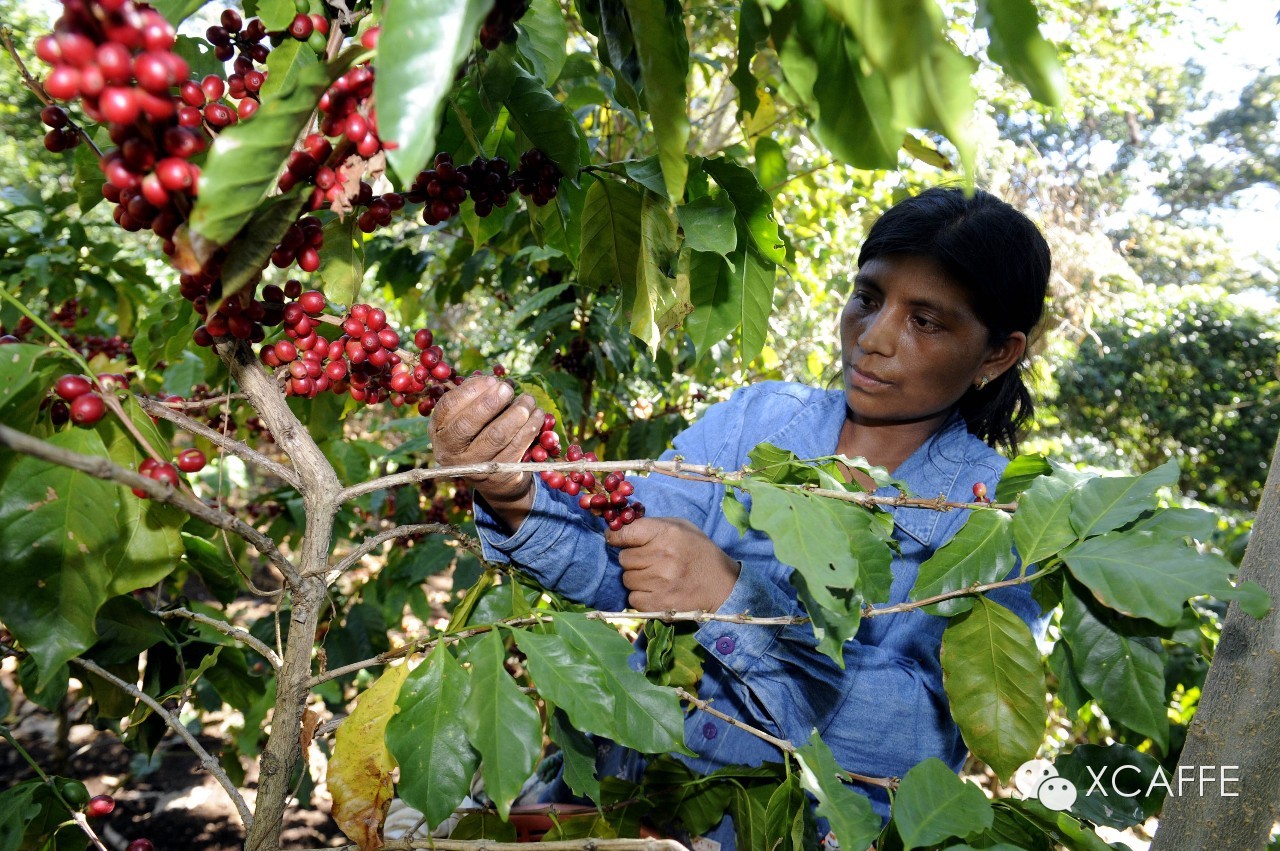
Coffee beans are actually seeds inside bright red coffee cherries. The pulp is sweet, almost like thin-skinned grapes. After harvest, farmers remove the fruit, ferment the beans, wash or dry them in the sun, then dry the seeds to create green coffee beans. These pale green beans are still not ready to brew — they must be roasted at high temperatures to remove moisture and develop flavor.
The Science of Roasting: How Heat Shapes Flavor
When green coffee is roasted, it loses moisture, turns from green to brown, and undergoes the Maillard reaction, creating aromatic compounds, oils, and caramelized sugars. Coffee beans pop twice during roasting: the first crack around 190°C, the second at about 215°C. With each crack, the bean expands but begins losing organic acids. Above 220°C, sugars carbonize, acidity vanishes, and bitterness dominates.
Here’s how experts visually distinguish roast levels:
- Appearance: Light roast has more surface wrinkles; dark roast is smoother.
- Color: Light roast is pale; dark roast is deep brown to black.
- Flavor: Light roast offers bright acidity and fruitiness; dark roast delivers bold bitterness and roastiness.
- Oil: Light roast beans take longer to show surface oil; dark roast oils emerge quickly.
What Exactly Is a Light Roast?
In the specialty coffee community — and at most home roasters — a light roast typically means roasting through the first crack and stopping shortly after. This stage is also known as Cinnamon Roast. It’s favored for preserving the bean’s inherent traits: vibrant acidity, delicate floral or fruity notes, and natural sweetness. It’s also the roast level used in professional cupping evaluations worldwide.
How Modern Roasting Brings Out Origin Character
Historically, many commercial roasters — especially those influenced by importers — focused on roasting dark enough to mask inconsistencies in lower-grade beans. The goal was mostly to eliminate defects, not highlight origin flavors. Today, with easier access to high-quality green beans from around the globe, roasters aim to preserve each origin’s unique profile. Light roasting helps achieve that, letting the terroir speak.
This shift explains why more cafés now serve light-roasted coffees, and why more drinkers are embracing their juicy, tangy brightness.
Frequently Asked Questions
What is a light roast coffee exactly?
A light roast coffee is roasted just through the first crack (approximately 190°C to 205°C), stopping before or just after it finishes. This level retains the coffee’s original characteristics, including bright acidity, floral or fruity aromas, and higher sugar notes. It’s lighter in color, often with a dry surface, and is known for a more complex, wine-like flavor than darker roasts.
Why does light roast coffee taste fruity or acidic?
Light roast coffee highlights the inherent qualities of the bean, including natural fruit acids and aromatic compounds developed during growth and processing. Because the roast is lighter, these acidic and fruity notes remain intact, resulting in flavors reminiscent of citrus, berries, or stone fruit. Darker roasts tend to mute these traits with deeper roast flavors.
What temperature range defines a light roast?
A light roast generally falls between 190°C (beginning of first crack) and around 205°C (end of first crack). The first crack occurs as moisture escapes and the bean structure changes, and stopping the roast here preserves brighter acids and aromatics. Going beyond risks losing those qualities to increasing roast flavors.
How is light roast different from dark roast in flavor?
Light roast coffee emphasizes acidity, fruitiness, floral notes, and sweetness, with a lighter body. Dark roast features deeper roast flavors like chocolate, caramel, smokiness, and bitterness, with a heavier body and less origin-specific character. Light roast preserves the bean’s natural traits; dark roast adds more roast-influenced flavors.
Which regions are best known for light roast-friendly coffees?
High-altitude regions such as Ethiopia (especially Yirgacheffe and Guji), Kenya, Colombia, and Costa Rica are well-known for producing beans that excel as light roasts. Their beans typically have bright acidity, complex fruit and floral notes, and good sweetness, making them ideal for showcasing the qualities of a lighter roast.
Can beginners enjoy light roast coffee?
Yes, especially with approachable light roast options like Ethiopia’s Yirgacheffe or washed Kenyan beans. While light roast can have higher acidity, many — such as FrontStreet’s Ethiopia Huakui or Kenya Little Tomato — offer balanced fruitiness and sweetness that appeal even to new coffee drinkers. It’s all about finding the right origin and brew method.
Recommended FrontStreet Coffee Beans for Light Roast Lovers
For bright, fruit-forward light roast coffee, try FrontStreet Coffee’s Ethiopia Yirgacheffe Gedeb — known for its citrus, berry, and floral notes with a sweet green-tea finish. The Ethiopia Huakui (Huakui) shines with tropical fruit aromas like strawberry and pineapple, offering a juicy, low-bitterness cup. For sharp acidity and juicy complexity, the Kenya Little Tomato brings out tomato, plum, and citrus with a crisp, clean finish. All are lightly roasted to preserve origin character. Freshly roasted within 5 days · Orders placed before 17:00 ship the same day · Next-day delivery across most of Guangdong Province.
FrontStreet Coffee is a long-established specialty coffee roaster in Guangzhou China, selling freshly roasted beans from its own farm in Yunnan as well as dozens of carefully selected single-origin beans from around the world for both pour-over and espresso. The products deliver consistently excellent quality and great value, with shipping within 24 hours. Guangzhou's FrontStreet Coffee shop is recommended by many coffee lovers, and the beans are now available online at the Tmall 。
Important Notice :
前街咖啡 FrontStreet Coffee has moved to new addredd:
FrontStreet Coffee Address: 315,Donghua East Road,GuangZhou
Tel:020 38364473